Jyotirlingas: Powerful temples of Lord Shiva

jyotilingas

What is a Jyotirlinga? Jyoti means light and linga means a symbol of the lord. These places are powerfully consecrated places and many people believe that when we attain high spiritual nature, we can see the lingas as fire columns. Thousands of devotees and travelers from across the world visit these powerful places. Below are the details of 12 Jyotirlingas with names and locations.
The Legend of the Jyotirlingas

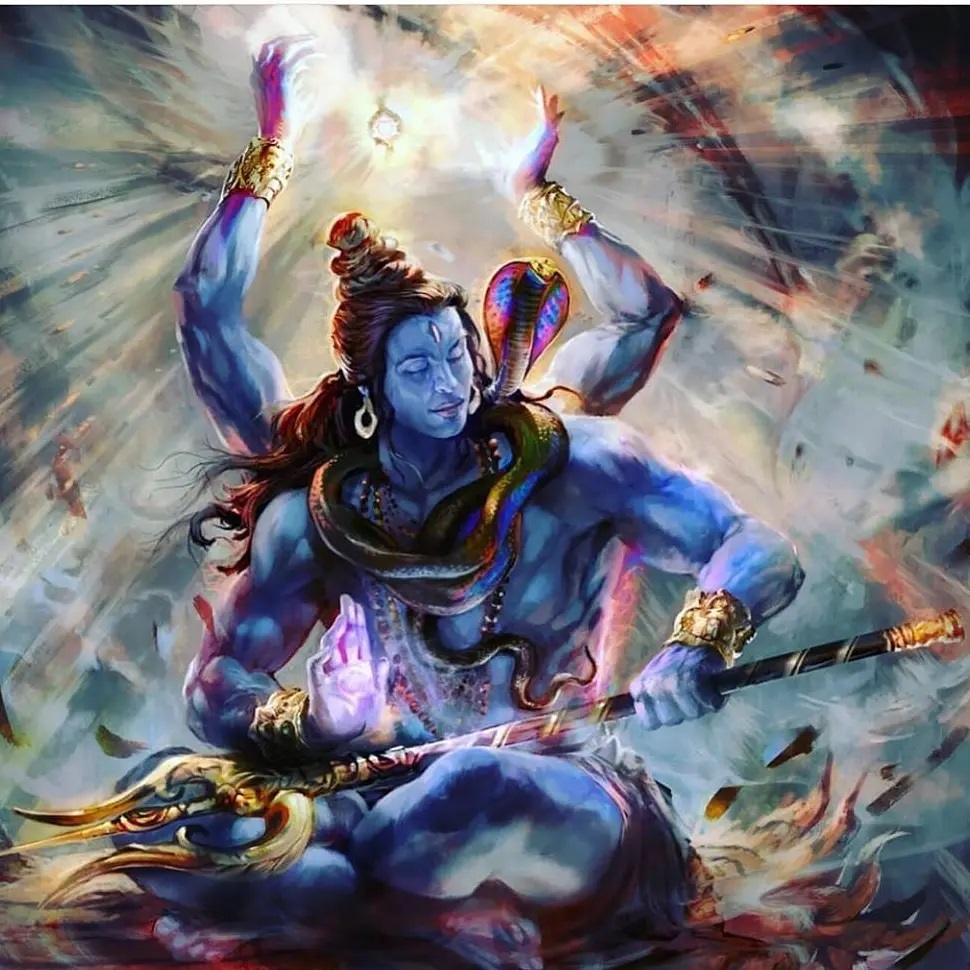
The legend of the Jyotirlingas is written in the Vishnu Purana. Once, Lord Shiva appeared as the fire column when there were differences between Lord Brahma and Lord Vishnu on who is the supreme being among them. Lord Shiva said that whoever finds the beginning and the end of this column will be the supreme being. Lord Brahma lied, saying that he found the ending of the column. Lord Shiva then cursed him that he would not be worshipped on Earth. We’ve jotted down a few Jyotirlingas in India.

12 Jyotirlingas in India – Temples of Lord Shiva

 Take a look at the twelve Maha Jyotirlingas in India.

1. Somnath Temple, Gujarat

Somnath is one of the famous Shiva temples in India. It is the first among the twelve Jyotirlingas. The present temple in Gujarat was reconstructed by Sardar Vallabhai Patel. The story of Somnath is very interesting, It is said that Prajapati cursed the moon that he would lose all his radiance. The moon then worshipped the lord and regained its radiance. From that day onwards, Lord Shiva resided in the form of a linga. The temple has been destroyed and rebuilt sixteen times now.
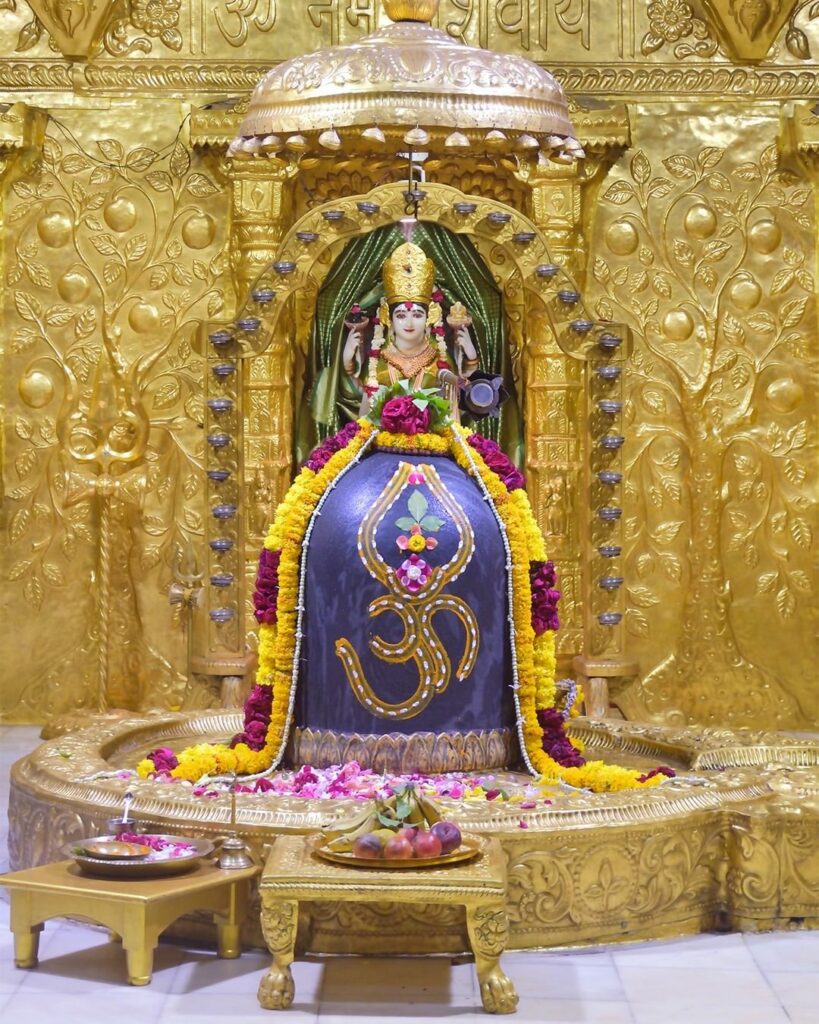
Temple hours: 6 AM-9 PM. The special attractions in this temple are Aarti at 7 AM, 12 PM, and 7 PM. There is also a light and sound show which takes place every day between 8 PM to 9 PM.

2. Nageshwar, Gujarat

Nageswhar is one of the powerful Jyotirlingas is located in Gujarat. Thousands of devotees visit the temple of Nageswhara every year. It is believed that whoever visits this temple will protect us from all types of poisons. The story behind this temple is written in Shiva Purana. Lord Shiva came down to protect his devotee Supriya, who was captured by a demon Daaruka.

Temple hours: 5 AM to 9 PM on all days of the week.

3. Trimbakeshwar, Maharasthra

The Trimbakeshwar Jyotirlinga is a unique place because there are three pillars inside the temple. These three pillars represent the holy trinity of Brahma, Vishnu, and Maheshwar and is located near Brahmagiri Mountain where the river Godavari is born. Gautama Rishi requested Lord Shiva to reside here and Lord Shiva manifested in the form of Trimbakeshwar.

Temple hours: 5:30 AM to 9 PM on all days of the week.

4. Kashi Vishwanath, Uttar Pradesh

Kashi, the city of temples, is a popular spiritual place where Vishwanatha (The Ruler of the Universe) resides on the banks of the river Ganga. The Kashi Vishwanath temple is one of the holiest places in the world. It is strongly believed that whoever dies in Kashi will attain liberation. Every year on Mahashivaratri, The place is packed with devotees from across the world.

Temple hours: 2:30 AM to 11 PM. Witnessing the Ganga Aarti in Kashi is a once-in-a-lifetime experience.

5. Mahakaleshwar, Madhya Pradesh

Located in the ancient city of Ujjain, the Mahakaleshwar is the only Jyotirlinga that faces the south side. Of all the Jyotirlingas in India, Mahakaleshwar is the only lingam that is born of itself and derives power from within itself. Every day the awakening of the lord is done by the Basma Aarti and the power of this place is not for the faint-hearted because it will shake you completely from within.

Temple hours: 4 AM to 11 PM. Basma Aarti is the first ritual that happens in the temple that we have to book the tickets in advance.

6. Mallikarjuna, Andhra Pradesh

Sri Mallikarjuna Jyotirlinga Temple is located on the banks of the river Krishna, Andhra Pradesh. This place is also known as Kailash of the South and it is one of the popular Shiva temples in India. It is written in Shiva Purana that Lord Shiva and Parvati resided in Srisailam to remain close to their son Karthikeya who decided to stay alone. It is believed that whoever sees the tips of the mountain in Srisailam will be liberated from sins and the cycle of life and death.

Temple hours: 4:30 AM to 10 PM every day. There are many other popular tourist spots near Srisailam like Srisailam Reservoir, Pathala Ganga, and Tribal Museum.

7. Omkareshwar, Madhya Pradesh

Omkareshwar is one of the sacred places in Madhya Pradesh. The Jyotirlinga is located on an island on the Narmada River. Omkareshwar means the Lord of the Om sound. Lord Shiva appeared here as Omkareshwar to help the devas to win over the danavas.

Temple hours: 5 AM to 10 PM. The darshan timings are between 5:30 AM to 12:30 PM and 4 PM to 9 PM.

8. Kedarnath, Uttarakhand

Kedarnath is the most popular and difficult place to visit Lord Mahadev because the shrine is located at the height of 3,583 metres from Rishikesh. The temple is closed for six months battling extreme weather conditions. The journey to reach the Kedarnath temple is difficult and many people use sticks or ride on dolis and horses. Lord Shiva took up abode on the mount Kedar when Nara and Narayana performed severe penance. The first-ever temple was built by the Pandavas and later it was restored by Adi Shankara Charya.
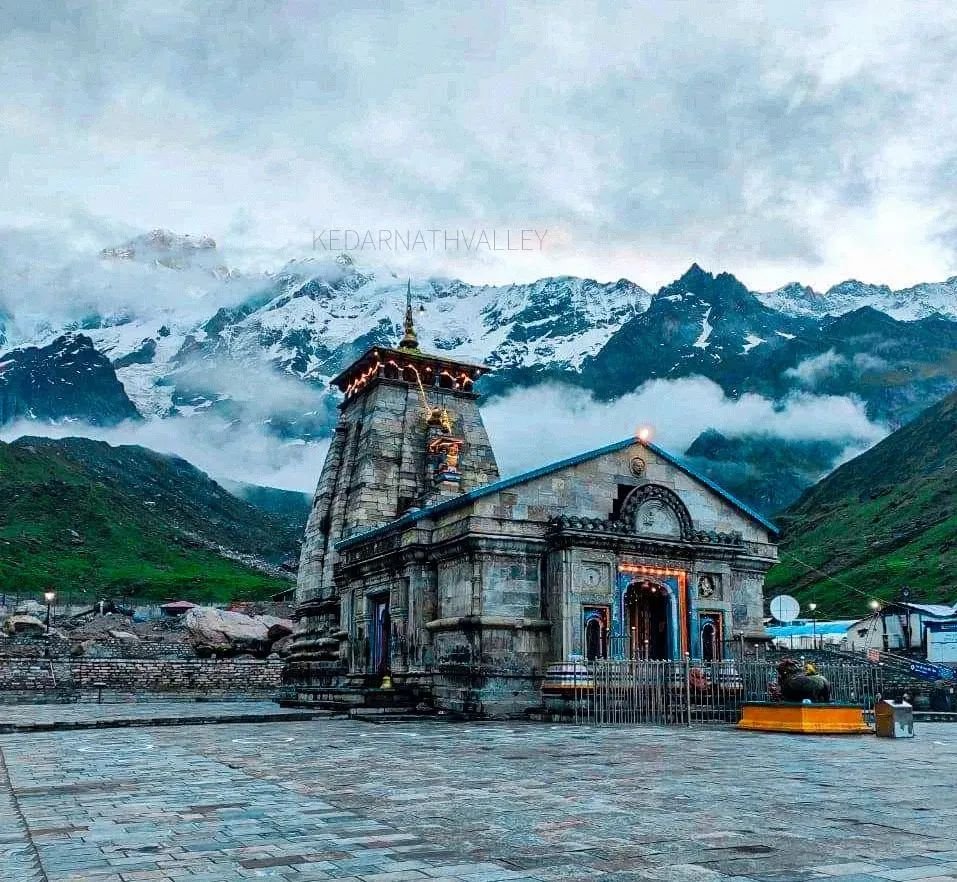
Temple hours: 4 AM to 12Noon and 3 PM to 9 PM (Only during May and November). Before going to Kedarnath, We can visit Gangotri and Yamunotri which are nearby.

9. Baidyanath, Jharkhand

Baidyanath or Vaidyanth temple is one of the sacred places of Lord Shiva. Vaidyanath means the master of medicines, the ultimate healer. This is the place where Lord Shiva cured Ravana who was the greatest Shiva devotee. It is believed that a person will be freed from all his miseries, worries, and health issues once they worship the Lord at Baidyanath.

Temple hours: 4 AM to 3:30 PM and 6 PM to 9 PM. The timings will be extended during the Maha Shivaratri.

10. Rameshwaram, Tamil Nadu

Rameshwaram Temple, also known as Varanasi of the South, is one of the highly visited and worshipped temples in India. The Jyotirlingam was established by Lord Rama to get himself freed from the sin of killing Ravana because he is a Brahmin. The temple is surrounded by sea and it is popularly known for its architecture, especially the long corridors, and towers that are beautifully designed.

Temple hours: 5 AM to 1 PM and 3 PM to 9 PM. You can also visit Dhanushkodi Beach, the popular place from where Lord Rama has built Ram Setu to Lanka.

11. Bhimashankar, Maharashtra

Located on the banks of river Bhima, the sacred Bhimashankar temple is located in Pune, Maharashtra. As per the legend, Lord Shiva manifested himself in the form of Bhimashankar to put an end to the destruction caused by Kumbakarna’s son, Bheema. The river Bhima was formed by sweat that came out of Lord Shiva’s body after the battle. The temple was constructed in the 18th century in the Nagara style of architecture.
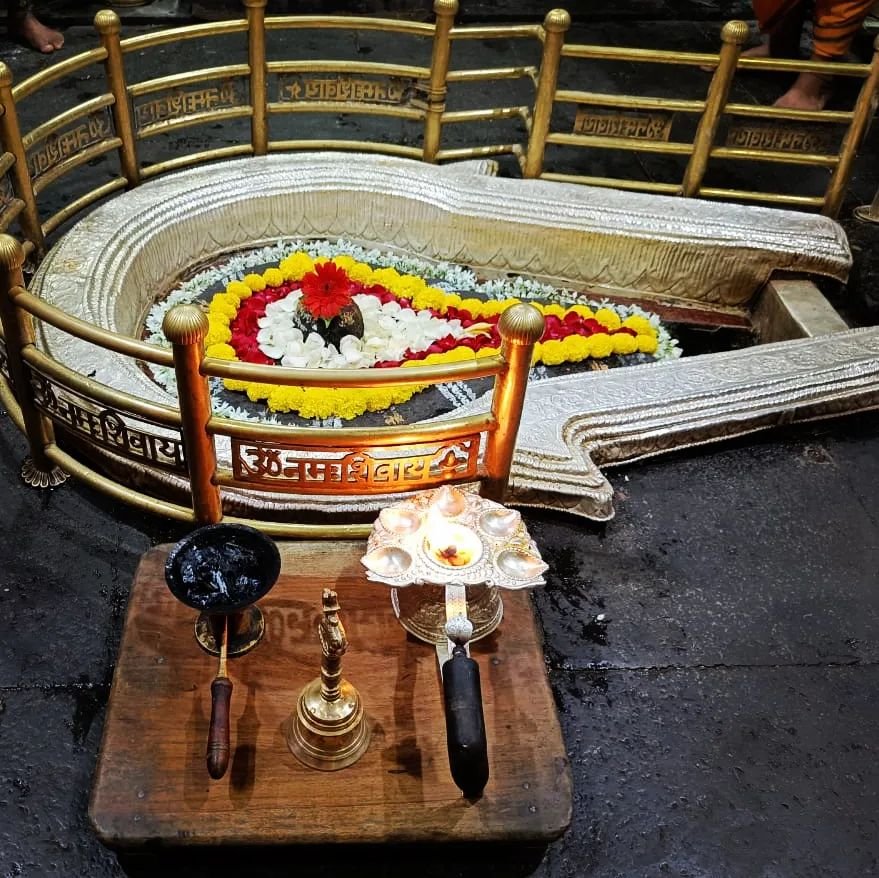
Temple hours: 4:30 AM to 12Noon and 4 PM and 9:30 PM. There is also Kamalaja temple which is located close by to the Bhimashankar temple.

12. Grishneshwar, Maharashtra

Grineshwar Jyotirlinga is one of the sacred Jyotirlingas and one of the best places located in Aurangabad. This is the last and the smallest Jyotirlinga temple of Lord Shiva. Grishneshwara means the lord of compassion. The temple is by Ahilyabai Holkar who has also rebuilt the Kashi Vishwanath temple. The temple is built with red rock in a Shikhara-style structure.

Temple hours: 5:30 AM to 9:30 PM and 3 PM to 11 PM. We can also visit Ajanta and Ellora caves which are located near this temple.

Conclusion: So these are the 12 Jyotirlingas in India. The common thing in all these places is that Kaala Bhairava (The fierce form of Lord Shiva) is the protector of the holy places. Visit these Jyotirlingas at least once in your lifetime to get the blessings of Lord Shiva.


Leave a comment

Your email address will not be published. Required fields are marked *

Top 10 Destination Wedding Locations for 2026

Explore the top wedding destinations in India and abroad, from the royal palaces of Udaipur and Jaipur to the beaches of Goa and the serene backwaters of Kerala. International favourites including Thailand, Bali, Dubai, Turkey and Sri Lanka offer spectacular settings for multi-day celebrations, luxury experiences and memorable ceremonies. This guide highlights the unique vibe, appeal and estimated budget ranges for each destination, helping couples and families compare options based on style, guest experience and overall wedding vision. Top Indian Destinations – Box Destination Vibe & Appeal Estimated Budget Range Udaipur Palaces, lakes, and royal heritage; Wedding Capital of India ₹50 lakh to ₹70 lakh (palace venues range from ₹70 lakh to ₹2.5 crore) Goa Beachfront luxury, sunset backdrops, and coastal resorts ₹40 lakh to ₹1 crore Jaipur Pink City fortresses, historic courtyards, and grand heritage properties ₹30 lakh to ₹70 lakh Jaisalmer Golden dunes and majestic desert fortress properties like Suryagarh Palace ₹50 lakh to ₹1.2 crore Kerala Peaceful backwater houseboats and palm-fringed lakeside resorts ₹35 lakh to ₹80 lakh Top 5 International Destinations: Destination Vibe & Operational Appeal Estimated Budget Range (100–150 Guests) Thailand (Phuket / Hua Hin) Tropical Beach Luxury: Easiest logistics, massive inventory of seasoned Indian caterers, and a highly optimised system for multi-day South Asian rituals. ₹50 lakh to ₹1.2 crore (Highly flexible packages) Bali, Indonesia (Uluwatu / Nusa Dua) Exotic Clifftops & Jungles: Breathtaking ocean backdrops and Hindu cultural synergy, though specialised Indian buffet menus often require bringing in outside culinary teams. ₹75 lakh to ₹1.8 crore (Luxury resorts command premium rates) Dubai / UAE (Ras Al Khaimah) Glamour & Ultra-Luxury: Unmatched skyline or desert resort backdrops. Phenomenal flight connectivity from all major Indian transit hubs makes guest transit completely seamless. ₹80 lakh to ₹2.5 crore+ (Can scale exponentially for ultra-luxe properties) Turkey (Bodrum

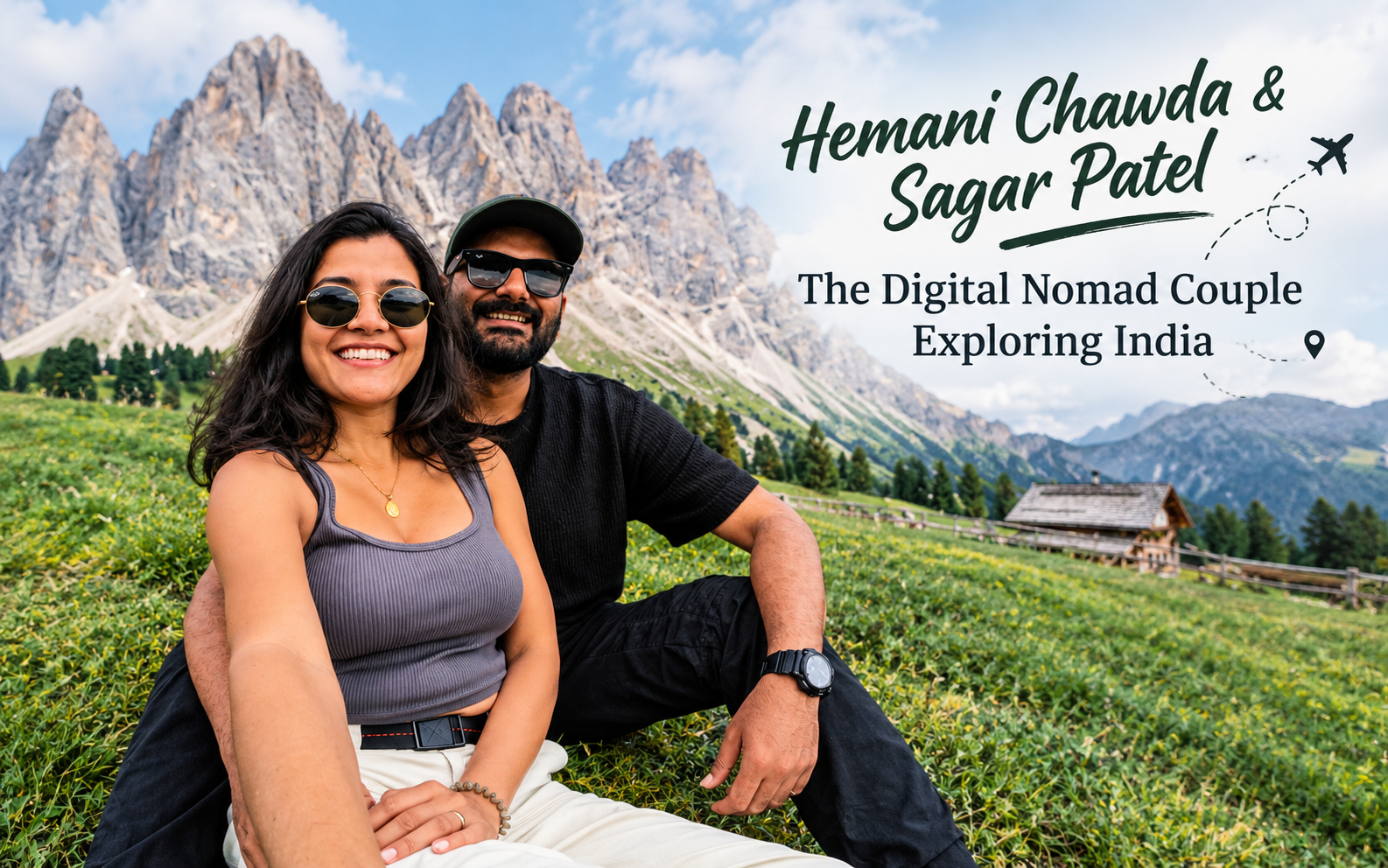
Hemani Chawda and Sagar Patel

Hemani Chawda and Sagar Patel are a travel-content-creator couple and digital nomads who chose a life of exploration over convention. Based between Jhabua, Madhya Pradesh, and Raipur, Chhattisgarh, the duo has built a journey around discovering new places, embracing different cultures, and sharing authentic travel stories. Hemani, a former Radio Jockey, left her career seven years ago to follow her passion for travel and storytelling. Sagar, a post-graduate engineer, later stepped away from the corporate world to join her in creating a life centred around experiences rather than routines. Through their content, they go beyond showcasing destinations to capture the emotions, challenges, connections, and everyday moments that shape life on the road. From ancient traditions to untouched landscapes, here are three countries that have left the deepest impression on their journey. 1. Japan — Where Tradition Meets Tomorrow “Japan holds a special place in our hearts for its incredible balance of ancient traditions, modern innovation, and breathtaking landscapes.” From the peaceful streets of Kyoto and its centuries-old temples to the vibrant energy of Tokyo, every experience feels like discovering a new story. What we love most about Japan is the way it preserves its cultural roots while embracing the future. Whether it is experiencing a quiet tea ceremony, exploring traditional neighbourhoods, or discovering local cuisine, Japan constantly inspires us with its attention to detail, warm hospitality, and endless storytelling possibilities. 2. Philippines — A Tropical Paradise Filled With Human Connections “The Philippines is a destination that feels magical at every turn, with turquoise waters, stunning islands, and some of the warmest people we have met during our travels.” From swimming alongside marine life and exploring hidden lagoons to discovering local communities and untouched beaches, the country offers the perfect blend of adventure and relaxation Beyond its natural beauty, what makes

Mehzabin Shaikh (Maahie) | Mumbai

Meet Maahie, a Mumbai-based travel content creator who transformed her passion for storytelling into a full-time career. After stepping away from engineering to follow her creative calling, she has spent the last 3.5 years building a journey around travel, exploration, and meaningful connections. For Maahie, travel goes beyond popular destinations; it is about discovering lesser-known places, meeting people, understanding their lifestyles, and experiencing cultures through local food, conversations, and everyday moments. Supported by her best friend and travel partner Rahul Yadav, Maahie continues to create stories that inspire people to step beyond their comfort zones and discover that every journey has a story worth sharing. 1. Bhadarwah, Jammu — A Hidden Paradise Beyond the Usual Kashmir Trail “When people think of snowfall and breathtaking Himalayan landscapes, Kashmir is often the first destination that comes to mind. But for me, Bhadarwah in Jammu is one of the most beautiful places I have ever experienced.” What makes Bhadarwah special is its untouched beauty. The snow-covered landscapes feel peaceful, personal, and far away from the crowds and commercialisation of popular hill stations. However, the real magic of Bhadarwah lies in its people. During my first visit, we stayed at a small homestay run by a family of three a husband, wife, and their young daughter. We instantly connected, and by the end of the trip, saying goodbye felt impossible. Over time, they became more than hosts; they became family. Today, visiting Bhadarwah has become an annual ritual. It is a place that reminds me that travel is not just about destinations; it is about the people and relationships you discover along the way. 2. Thailand — The Journey That Introduced Me to Freedom “Thailand will always hold a special place in my heart because it gave me a feeling I had never experienced

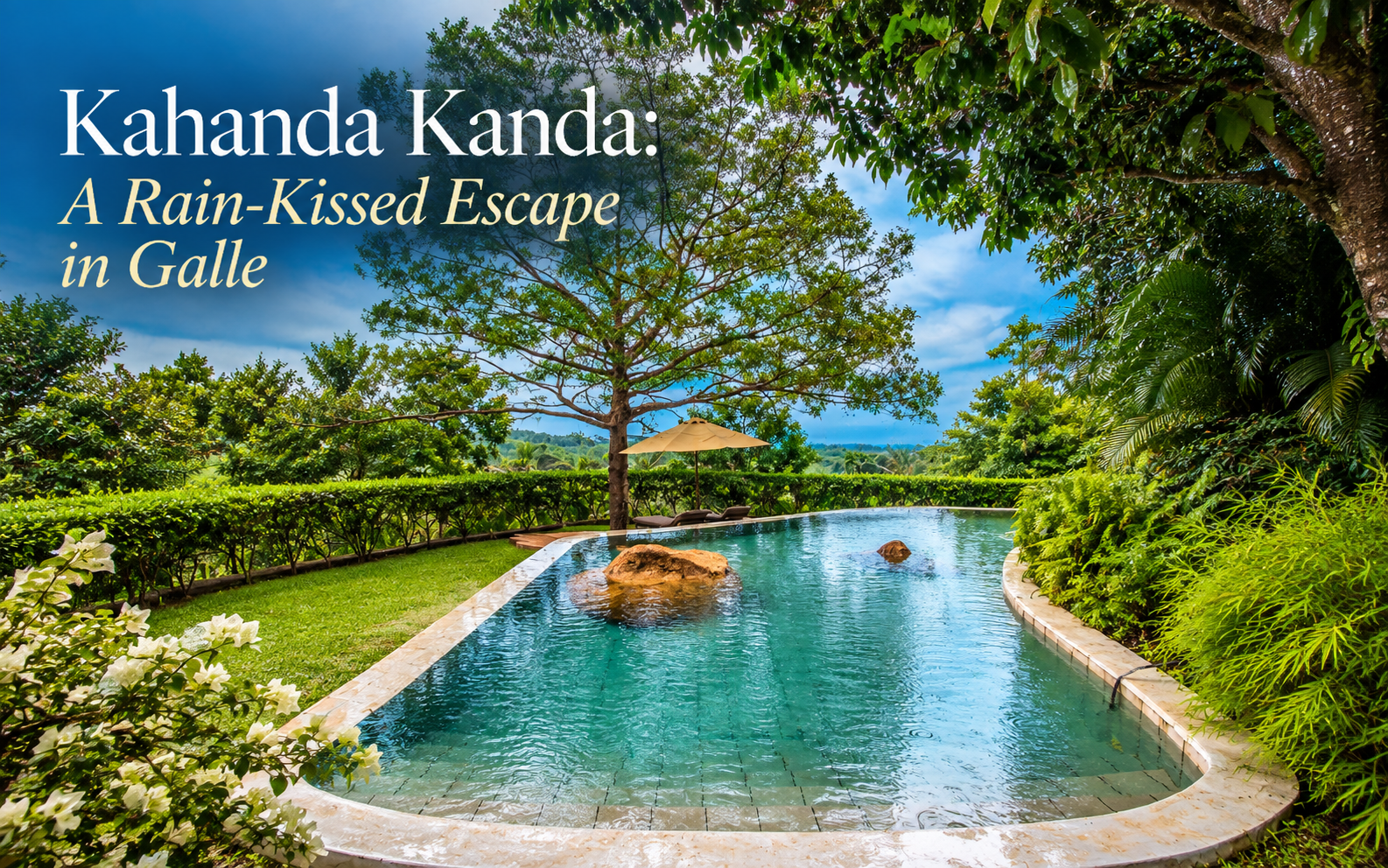
Kahanda Kanda: A Rain-Kissed Escape in Galle

Rain, mist and 17 villas that don’t look alike. Kahanda Kanda is a hidden gem above Koggala Lake in Galle, Sri Lanka. Spread across 14 acres of tea-fringed grounds, this intimate retreat is built around one simple idea: slowing down. Sinduri Vuppala spends a few unhurried days at the estate, discovering its distinctive design, fascinating history and the quiet luxury of doing very little. There’s a particular kind of luxury that has nothing to do with thread counts or infinity pools, and everything to do with being left alone in the best possible way. That’s the feeling that defines a stay at Kahanda Kanda, a boutique estate tucked into the hills above Koggala Lake in Galle, Sri Lanka. The journey there is part of the story. After a stint in the busier coastal town of Bentota, the drive inland feels like a decompression, roads turning greener and quieter, the pace of the island slowing with every mile. By the time the gates swing open onto a sweep of tea bushes, garlands, and a welcome glass of estate-grown lemongrass cordial, you’ve already left the “resort” mindset behind. We arrived off-season and were the only guests on the property. There’s something disorienting about having a place this beautiful entirely to yourself, mist over the tea plantation, no queue for breakfast, just birdsong somewhere in the canopy. When the rain came, it didn’t spoil anything; it turned the estate into something softer and more private. The Villas Kahanda Kanda comprises 17 stand-alone villas, and the property’s defining trick is that none of them looks alike. Rather than the interchangeable rooms you’d find at a larger resort, each villa here has its own layout, its own mix of antiques, and its own mood, a blend of European and Asian pieces alongside contemporary art, none

You May Also Like

Connect with us