
Learn the Difference Between Face Wash and Cleanser in 2 Minutes!

All of us want our faces to glow and look healthy. For that we try different types of methods and one among them is using a face wash with cleansers. However, there is always some confusion – are face wash and cleanser different? If so, how? Let’s clear out that confusion, shall we?

Face wash and cleanser are two different products used for skincare. They are similar in that they help in removing oil, dirt, makeup, and other debris from your skin. The process of cleansing is however, different. Sometimes, we use both of them together because we don’t understand the differences between them. We must understand which one of them suits our skin and its needs. There is no problem in using them together if you have combination skin. You can use a cleanser and face wash to balance the oil and dry regions of the face. 

How Are They Different?

Here are some differences between cleanser and face wash.

  1. Face wash helps remove dirt, debris, and other contaminants from deep layers of skin and cleanses your skin pores. Cleanser removes dirt, makeup residue, and oil only from the skin’s surface.
  2. The face wash is suitable for oily and combination skin types. Cleansers are suitable for dry and sensitive skin types.
  3. Face wash can be used as an alternative to a soap bar because it is gentler. A cleanser is gentler than a face wash.
  4. Face wash can be used in the mornings or midnights. Cleansers can be used anytime we want.
  5. Face wash requires rinsing while cleansers may not require rinsing. Face wash’s texture formation includes gel and foam. A cleanser’s texture formation includes cream lotion, oil, and powder.
  6. Face wash helps the skin look radiant and healthy. Cleansers nourish our skin, balance the complexion and boost moisture levels.
  7. Cleansers provide more hydration than face wash; hydration is recommended to maintain healthy skin. 
  8. Face wash may contain skin irritant ingredients. Cleansers do not have skin-irritant ingredients.
  9. Face wash is ideal for those who do not use makeup often or daily. Cleansers are ideal for those who use makeup daily.
  10. Face wash helps in reducing the development of breakouts and blocked pores while cleansers help in tackling eczema and protect us from other pollutants as well.
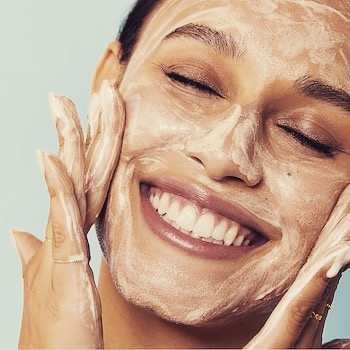
These are some of the important differences between a cleanser and a face wash. Both of them have their benefits which completely depends on the skin type. There will be more additional benefits as well if we use both of them together to maintain the balance.  

Leave a comment

Your email address will not be published. Required fields are marked *

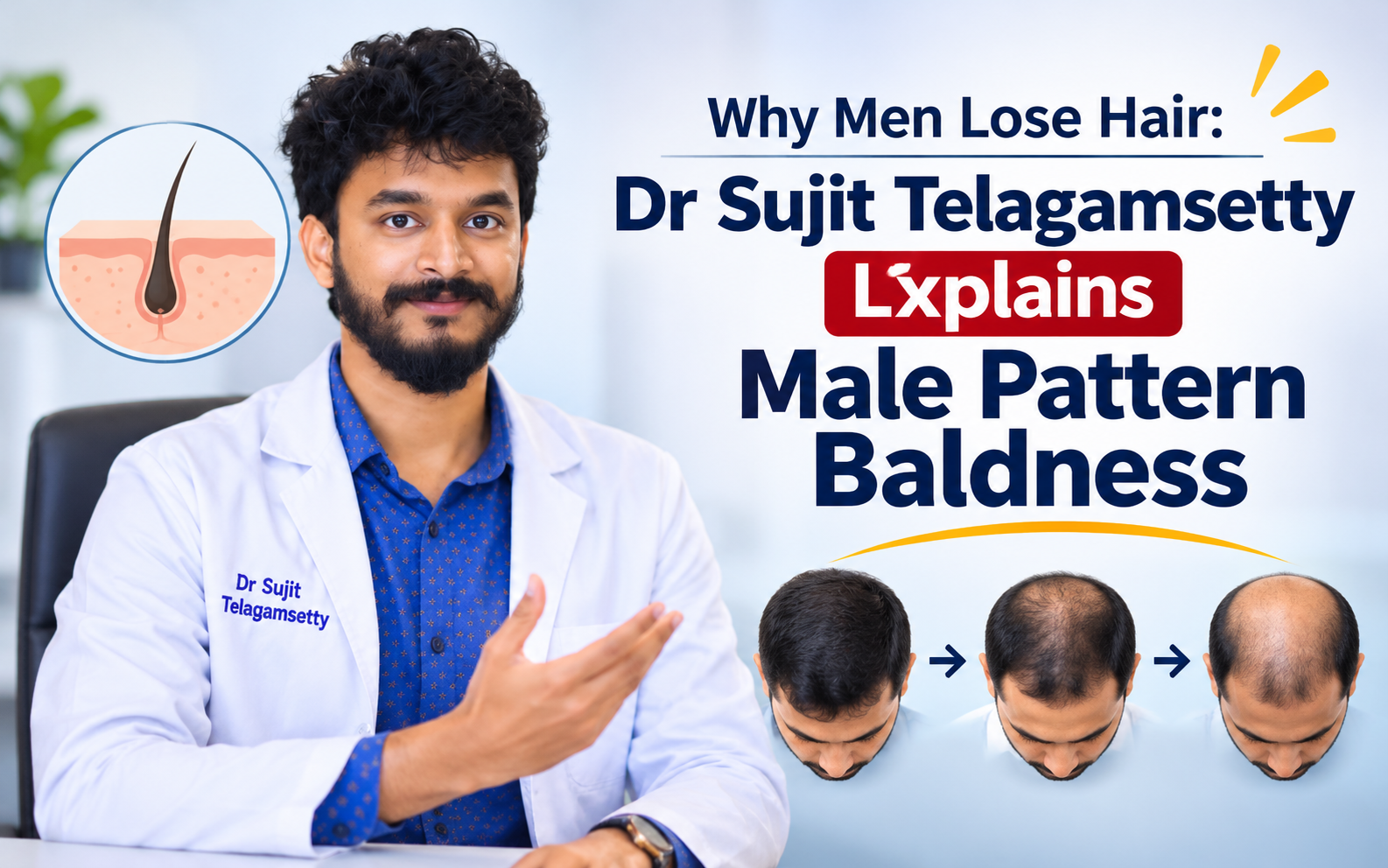
Why Men Lose Hair: Dr Sujit Telagamsetty Explains Male Pattern Baldness

Dr Sujit Telagamsetty is a first-generation doctor and founder of Helios Homoeopathy, with over eight years of clinical experience and more than 10,000 cases handled. A health educator with a community of roughly 475,000 followers on Instagram, he’s built a reputation for busting hair-loss myths with accessible, no-nonsense science. Here, he breaks down what’s really behind male pattern baldness, and why there’s no shortcut around it. What are the most common causes of hair loss and thinning in men, and how do genetics, stress, hormones and lifestyle habits contribute?Hair loss in men is influenced by several factors, including genetics, hormones, stress, nutrition and everyday lifestyle habits. One of the most common causes is male pattern baldness, which is strongly influenced by genetics and the sensitivity of hair follicles to a hormone called dihydrotestosterone (DHT). This hormone gradually miniaturises susceptible follicles, causing hair to become thinner, shorter and weaker over time. Stress also plays a significant role. Prolonged psychological stress, inadequate sleep, severe illness and sudden weight loss can disrupt the normal hair-growth cycle and trigger excessive shedding. Nutrition is equally important; hair follicles need adequate protein, iron, zinc and other essential nutrients to support normal growth. Crash dieting, skipping meals, and highly restrictive diets can compromise this and contribute to shedding. Lifestyle habits like smoking, poor sleep and chronically inadequate nutrition affect overall hair health too. My approach focuses on the fundamentals: strong nutrition, consistent sleep, stress management, regular physical activity and a healthy scalp. These habits can’t eliminate genetic baldness, but they support overall health and address the preventable contributors to hair shedding. What are the biggest myths around male pattern baldness, hair regrowth and hair-care products that men should stop believing?One common myth is that wearing caps or helmets causes baldness. Normal use doesn’t; hair loss is primarily

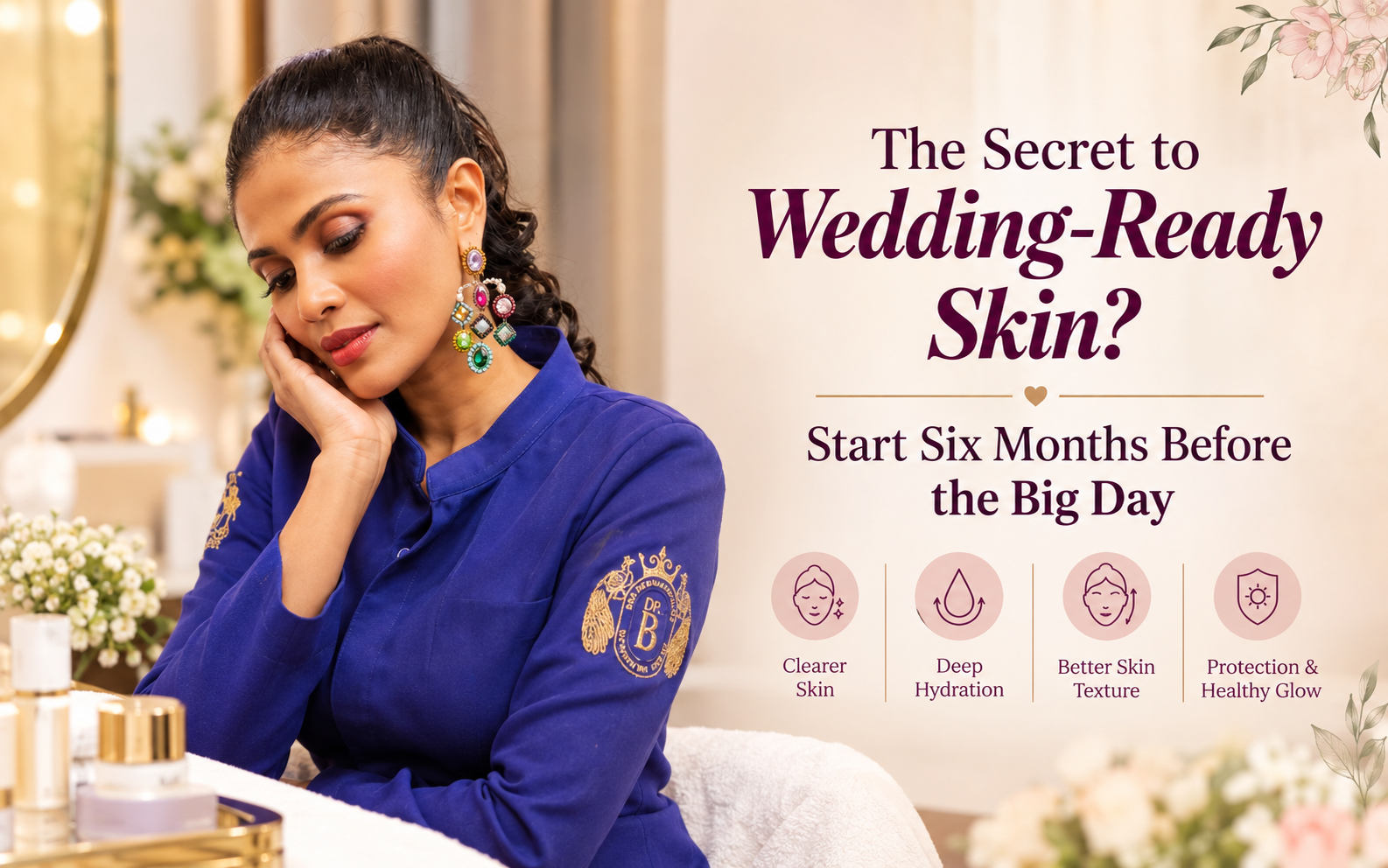
The Secret to Wedding-Ready Skin? Start Six Months Before the Big Day

Dr Bhairavi Senthil is a Chennai-based dermatologist and founder of The Dr B 360 Dermatology Experiential Centre. Her advice for 2026 couples: skip the last-minute “bridal glow” fix; real results come from starting six months ahead, and the final few weeks should be about stability and hydration, not experimenting with something new. Skincare Trends 2026Couples are moving away from a last-minute glow and toward skin preparation as a long-term process. Brides want to look like themselves, just healthier and more even-toned; not heavily treated or made up. Grooms are becoming far more proactive about skincare and grooming too. There’s also a shift toward personalised, science-led routines over viral trends, and a growing focus on prevention and maintenance rather than dramatically changing how skin looks. Pre-Wedding Treatments & TimelineThere’s no universal best treatment; it depends on your skin and timeline. Ideally, meet a dermatologist six months before the wedding, earlier if there’s active acne, pigmentation or hair concerns, since collagen remodelling and barrier repair can’t be rushed. Peels, lasers, microneedling and injectables like botulinum toxin or fillers may all be options depending on the concern, but they all need proper consultation and time to settle. The golden rule: don’t experiment close to the wedding; the final weeks should focus on stability and hydration. Customising Skincare PlansIt starts with one question: what do you want your skin to look and feel like on your wedding day? From there, the plan factors in barrier health, pigmentation, acne, hydration, the wedding timeline, climate and even travel plans. A bride with pigmentation needs a completely different approach from someone dealing with acne or sensitivity, and sometimes the healthiest skin needs no procedures at all, just maintenance. The goal isn’t perfection. It’s healthy, balanced skin that lets you feel confident without hiding behind makeup.

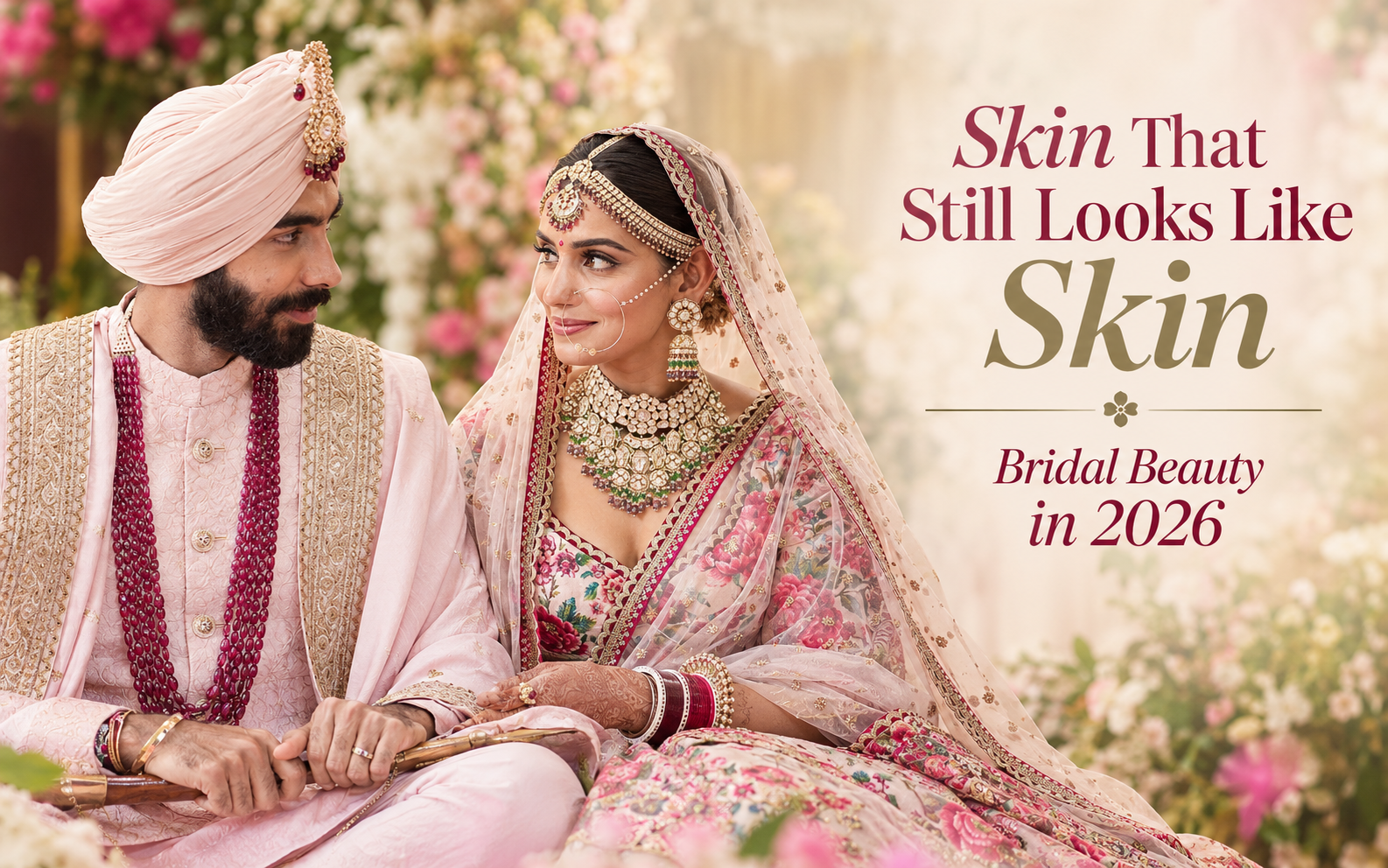
Skin That Still Looks Like Skin: Bridal Beauty in 2026

Celebrity makeup artist Bianca Louzado has spent over two decades in Indian beauty, from her start at India Couture Week working on Manish Malhotra to becoming one of the country’s most trusted names in luxury bridal makeup, with a portfolio that includes Jasprit Bumrah and Sanjana Ganesan, Randeep Hooda and Lin Laishram, and Radhika Ambani’s pre-wedding event. She breaks down why real bridal beauty starts weeks before the wedding, not the morning of, and why 2026 brides are choosing skin that still looks like skin over heavy, “done-up” makeup. What skin prep should brides start ahead of the wedding?Skin prep is about healthy, balanced skin, not last-minute transformation. Start a consistent routine 6–8 weeks out: gentle cleanser, moisturiser, daily SPF, and any new actives introduced early enough to see how skin responds. No experimenting in wedding week. In the final week, simplify: hydration, sleep, water, and skip aggressive treatments or picking at breakouts. Well-prepped skin means less product and a complexion that looks like skin, not a mask. What’s the biggest mistake brides make choosing their look?Picking a look because it worked on someone else, rather than one that suits their own features, outfit and personality. Chasing every trend at once is another; bridal makeup needs to photograph beautifully today and still feel elegant years later. References are useful, but they’re a starting point, not a blueprint. And don’t wait until the wedding morning to find your look; the trial is where that conversation happens. How has airbrush vs. traditional makeup evolved for 2026?The debate itself is outdated! It’s about what the skin needs. Brides want longevity without heaviness, especially for long Indian wedding days. Traditional techniques now allow thin, strategic layering with more control and natural dimension, and unlike airbrush, they can be touched up rather than redone entirely.

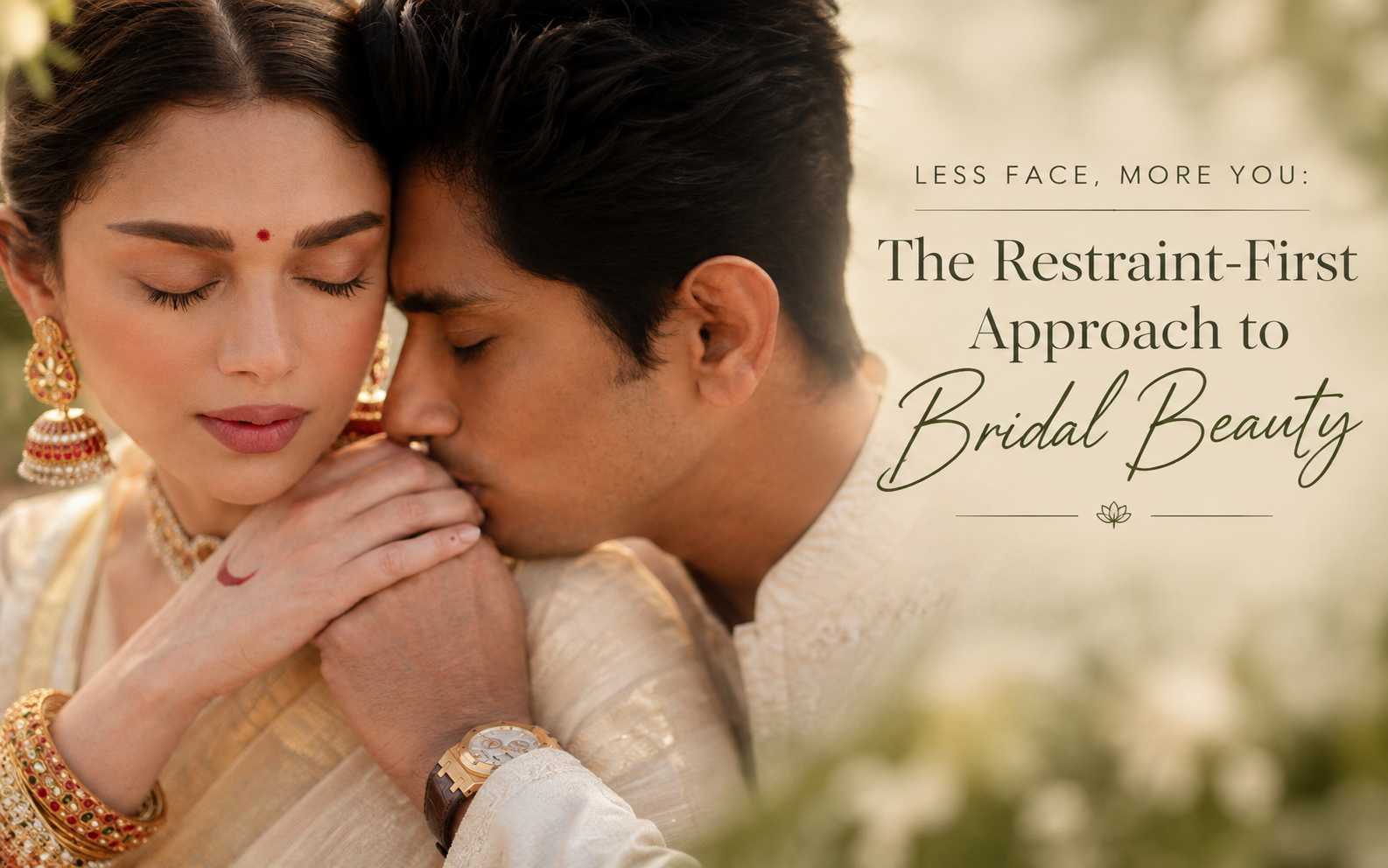
Less Face, More You: The Restraint-First Approach to Bridal Beauty

Mumbai-based makeup and hair artist Elton J Fernandez has spent nearly 25 years across fashion, advertising, celebrity, bridal and film work, from a nine-year run as Maybelline India’s spokesperson to backstage seasons at New York Fashion Week and India Fashion Week. Here, he makes the case for a very different kind of bridal beauty in 2026: less about a prescribed “bridal face” and more about restraint, identity and letting the woman herself remain present in the frame. What bridal makeup trends are defining 2026, versus 2025?The biggest shift is away from a prescribed bridal face. For years, trends travelled uniformly: the same brow, the same contour, accelerated by social media. Now brides want to recognise themselves in their photographs. That means skin that still behaves like skin, colour that responds to the person rather than the trend, and enough restraint to let the woman remain present. 2025 was about the look; 2026 is about the person wearing it. Has grooming for grooms become mainstream?Yes, but the bigger shift is that men are less afraid of being seen to care. Grooming today often means correcting fatigue or balancing skin rather than looking visibly “made up”; the best work is often invisible. The principle stays the same as with brides: understand who’s in front of you before deciding how much intervention is actually needed. How do you approach daytime ceremonies versus evening receptions?Daylight doesn’t automatically mean less makeup, and evening doesn’t mean more; context matters more than the clock. Light, climate, photography, jewellery and ceremony all shape the decision. Indian bridal beauty already carries so much visual information: textiles, jewellery, ritual- that makeup doesn’t need to compete for attention. Sometimes the most sophisticated choice is knowing what to leave alone. After 25 years, what’s changed most in how you see a face?Early

You May Also Like