Lil’ Goodness: Your Daily Dose of Goodness

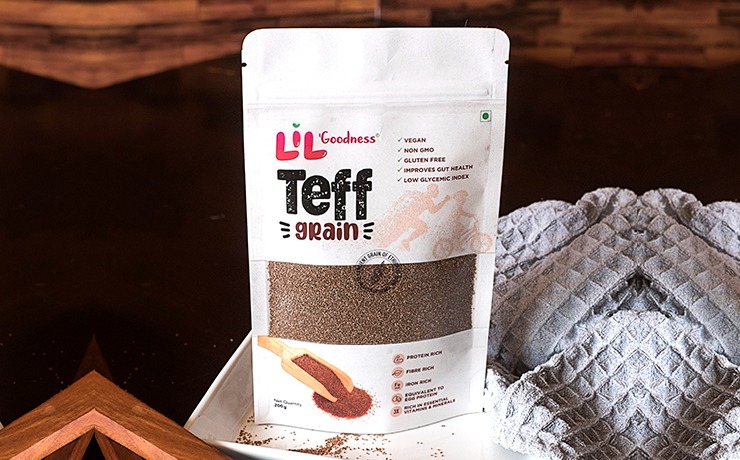
Teff grain

Concerned with the unhealthy eating habits of children across India, Bangalore based food and nutrition brand Lil’ Goodness seeks to transform how kids in India consume snacks. By providing a range of healthy choices, they aim to bring a daily dose of goodness and health into their lives. Rashmi Gopal Rao gives us an insight into the rising start-up.

Founded by IIM Calcutta alumnus Harshavardhan and nutrition expert Pariksha Rao, Lil Goodness believes in using technology to solve health and nutrition problems. While Harshavardhan was formerly associated with the Tata Group, where he was responsible for setting and scaling up the Tata Health business in its formative years, Pariksha Rao holds a Doctorate in nutrition with over 15 years of experience in nutrition and wellness. “We connected over our shared vision and passion for creating India’s first kids’ food and nutrition start-up and aim to touch at least 10 million kids over the next 2 years. It was out of this passion that Lil’ Goodness was born,” says Harshavardhan

Their objective is twofold: to combat the growing nutritional deficiencies alongside fussy eating behaviours of young children.

A Lil’ Goodness for the lil’ ones

The duo firmly believes in the importance of good eating habits in the early years. According to them, healthy choices should not compromise on taste; hence their focus on making traditionally popular snacks more wholesome and healthier. As the team notes, kids want taste and variety, with parents focusing on aspects of health. Through their products, Lil’ Goodness hopes to strike a balance.
While the company was formally incorporated in February 2018, full-fledged work began in July 2019 and the products were first introduced in March 2020. Popular items such as the veggie crackers were launched in May 2020, while the multigrain teff puffs were launched in 2021. “We launched our website in March 2021 and that has yielded very good results, with sales matching or sometimes even performing from e-commerce websites,” says Harshavardhan.

The product range

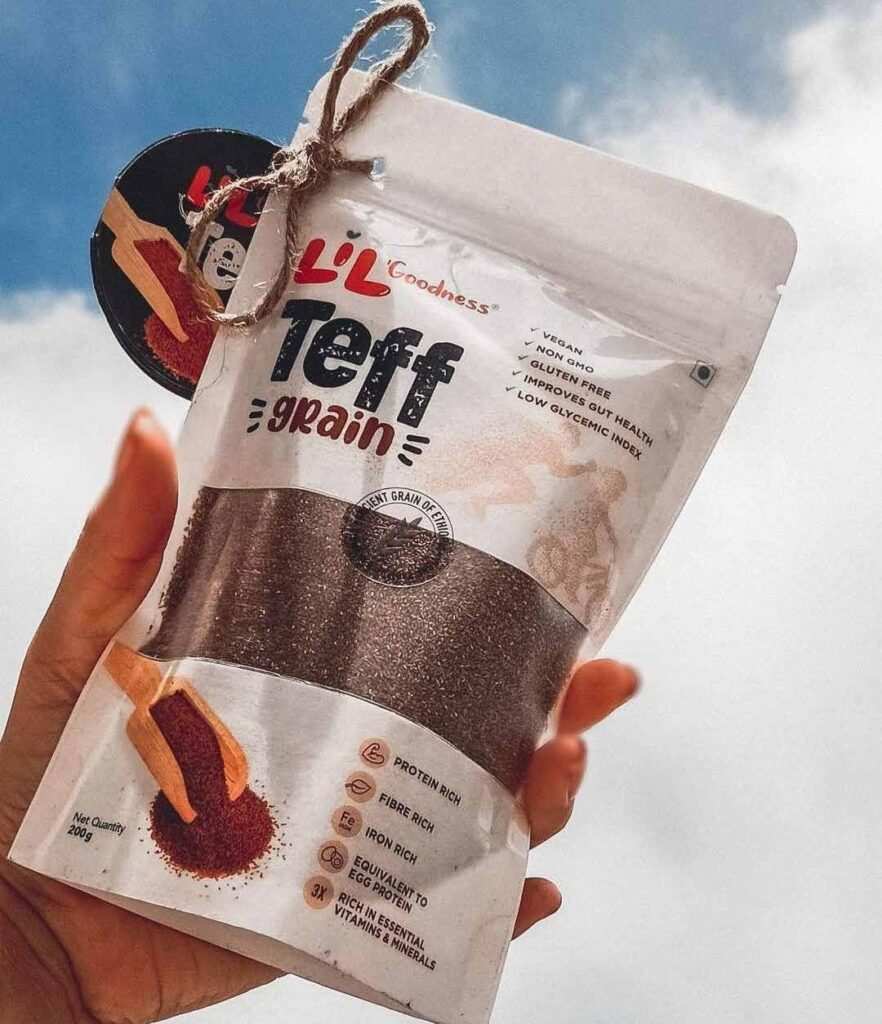
Products from their range focus on the nutritional gaps they wish to target. Items such as the multigrain puffs and veggie crackers contain no trans-fat, palm oil, or added colours and preservatives. Instead, they are made with real vegetables, and teff, an East African superfood grain that provides ample of vitamins and protein.

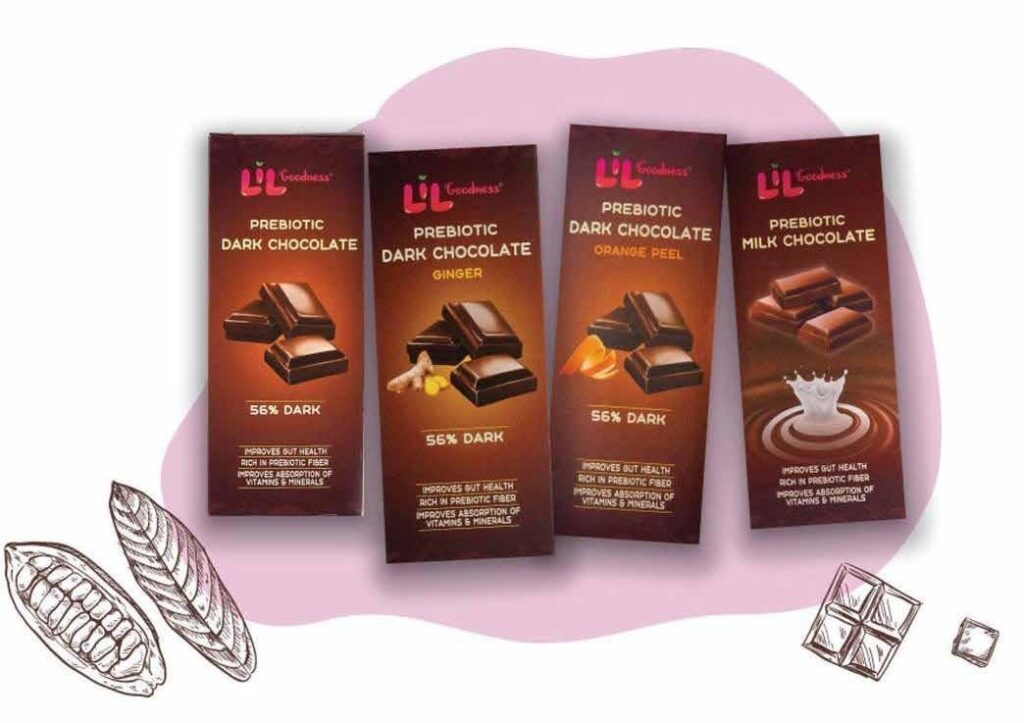
Apart from this, they also have products like prebiotic chocolates, B12 Jaggery and teff flour, which you can add to your daily diet. “Our prebiotic chocolates are most popular. The recently launched B12 jaggery is also the fastest growing. In fact, we have sold nearly 70,000 sachets within 45 days of launch. The multigrain teff puffs have also done phenomenally well; within 6 weeks of launch we have sold around 20,000 packs, even with the restrictions around offline sales” says Harshavardhan, mentioning that they have launched products, both online and offline, in Bangalore, Delhi, Mumbai and Hyderabad.

Differentiating factors

The Lil’ Goodness product prototypes are manufactured at their micro-facility, where prototyping and standardization of recipes is also done. Standardised recipes are scaled up at contract manufacturers. The third-party manufacturers follow standard processes and controls established by the brand after extensive research, trials, and quality controls. “We audit all our contract manufacturers to ensure adherence to quality controls and process standards. Most of our third-party suppliers are located in Bangalore,” says Harshavardhan.
While there are competitors in this space, Harshavardhan believes they have cracked the code of taste and health in the form of exciting snacks. The team also plans to build a ‘Goodness’ circle around their consumers for all their food, nutrition and inner health needs through a platform that engages with them on key health issues.

Looking ahead

Currently, Lil’ Goodness is launching some exciting new products, based on consumer feedback. “We are working on launching an immunity box for kids where we will have tasty yet nutritious snacking options, enhanced by active ingredients like curcumin. We feel that it will be the most ideal gifting box in these times.

Nutritional deficiencies of Vitamin B, C, and D and minerals like Zinc, Calcium and Iron, along with protein deficiencies and an excess of unhealthy fats and carbs affects at least 100 million kids in India.

We are also working on an entire product line based on the use of pre and probiotics in daily snacking, using natural ingredients,” adds Harshavardhan. While there are a lot of products in the market promising health benefits, they have questionable claims. According to Harshvardhan, the key was to find more effective ways to communicate the benefits of their products, which are designed and tested based on scientifically validated principles. While offline retail has been a strong pillar for their growth, consumption has been shifting online and closer to home. The team is working on ensuring a strong presence in the right stores and closer to home.

Contact :

  • Website: https://lilgoodness.com/
  • Contact: +91 8971958284
  • Email: feedback@lilgoodness.com
  • Where: Happytizers Private Limited, S3/301, Greenwood Regency Sarjapur Road, Bengaluru-560035 Karnataka, INDIA
  • Also available on: Amazon, Big Basket, Flipkart.

Leave a comment

Your email address will not be published. Required fields are marked *

Grazing Tables: The Party’s New Centrepiece

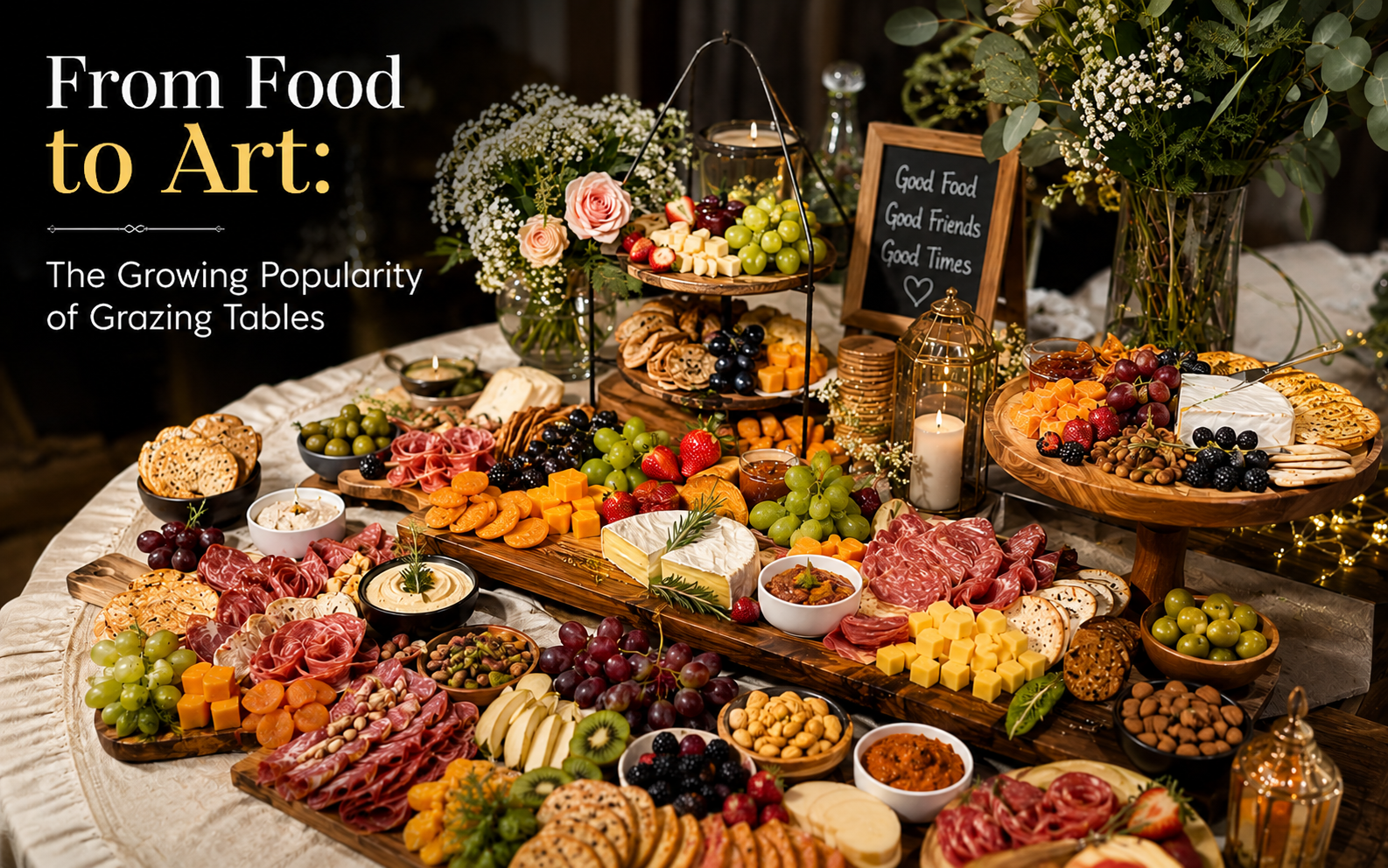
Move over traditional buffets; grazing tables are taking centre stage at celebrations. Budda Swecha explores the rise of this entertaining trend and speaks to grazing-table experts about how they create these edible works of art and why they’re becoming a must-have at parties. Casere: Tanya Tarang Agarwal | Hyderabad For Tanya Tarang Agarwal, founder of Hyderabad-based premium food and gifting brand Casero, grazing tables are about much more than food; they are about creating an experience. With a love for food, aesthetics and entertaining, Tanya brings together thoughtful curation and beautiful presentation to create celebrations that feel effortless, personal and memorable. “Casero has always been about creating an experience around food,” she says. “I love how a beautifully curated grazing table allows conversations to flow freely, accompanied by good food.” Relaxed and social, the format allows guests to eat, talk and enjoy themselves without the formality of a sit-down meal. Tanya believes this ease is what has made grazing tables a favourite at celebrations. “You can simply walk up, pick a bite or two, move around, continue your conversations and come back to the table whenever you want.” With no waiting to be served, the grazing format keeps the party moving naturally. For the perfect visual impact, Tanya swears by height and elevation. “A grazing table should never feel flat,” she says. Different levels, beautiful serving pieces and layers create dimension, abundance and an instant wow factor. FESTIVE FAVOURITES CHIP + DIP A great pairing to start the spread. WOW ELEMENT Something that gets everyone talking. DESSERT A delicious sweet finish. FESTIVE TOUCH An Indian chaat-inspired bite, a flavourful cheese ball with crisps and a refreshing drink to cleanse the palate. Crumble Royale: Saakshi Sabharwal | Delhi For Saakshi Sabharwal, Founder and Head Chef of New Delhi-based Crumble Royale, grazing

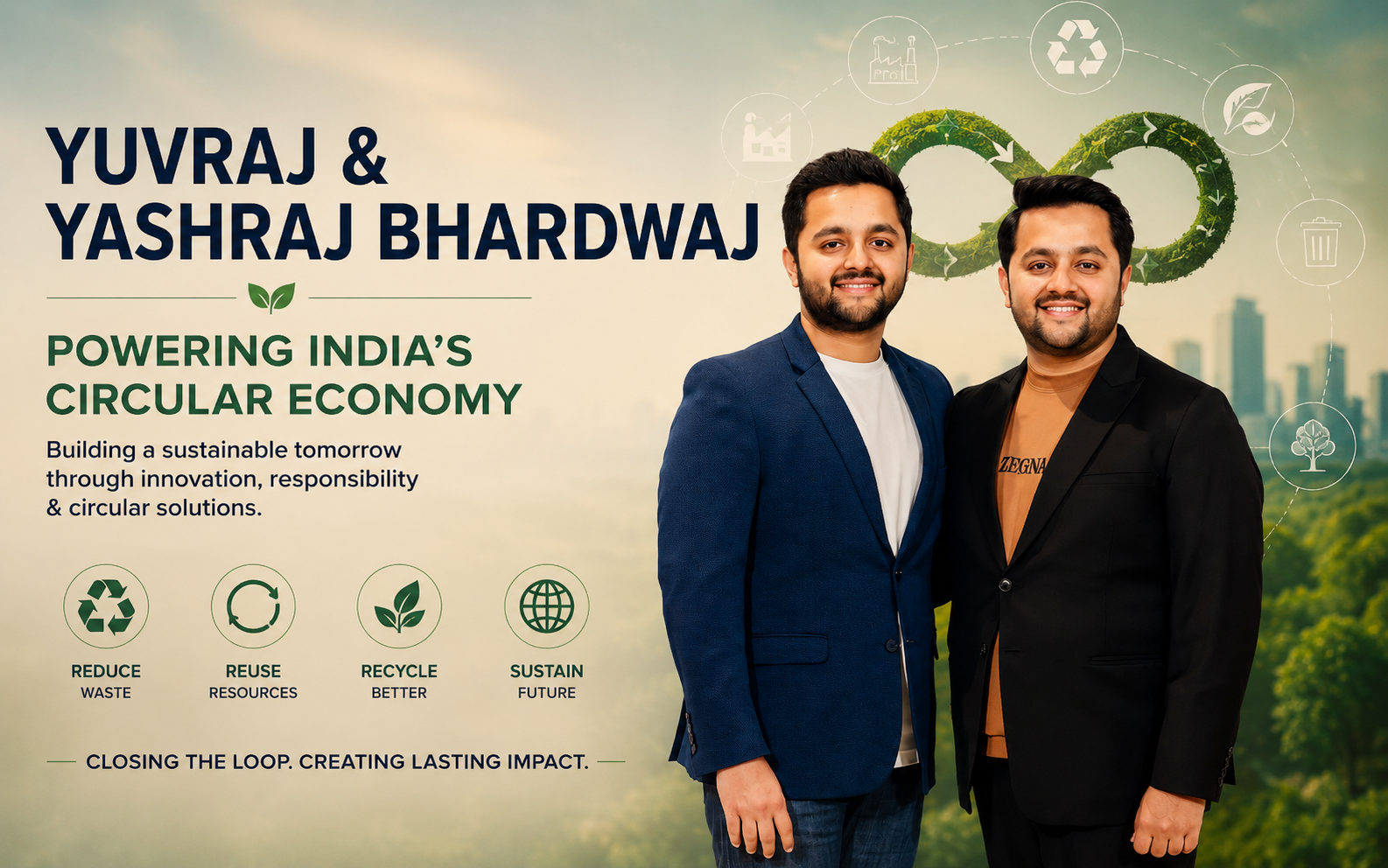
Yuvraj & Yashraj Bhardwaj | Powering India’s Circular Economy

Twin brothers Yuvraj Bhardwaj and Yashraj Bhardwaj are the co-founders of Plannex Recycling, a Gurugram-based circular economy company transforming waste management through technology and innovation. Both entrepreneurs began innovating at the age of 14, filing patents and undertaking research projects long before launching their ventures. Today, while Yuvraj, Co-Founder & CEO, leads operations, technology, and execution, Yashraj drives strategy, policy, partnerships, and global expansion. Together, the Forbes 30 Under 30 Asia honourees have built one of South Asia’s leading recycling platforms, processing over 500,000 metric tonnes of waste annually across 18 facilities in seven countries, proving that sustainability and scale can go hand in hand. 1. Tell us about your venture and how the idea first came to life. What made you decide to build it together as siblings? Yashraj: We’ve been building things together since we were 14, so becoming co-founders wasn’t really a decision; it was the natural next step. We saw India’s waste sector as a fragmented industry with enormous potential but very little technological intervention. While most people saw waste, we saw an opportunity to build infrastructure for the future. Yuvraj: Today, Plannex processes over 500,000 metric tonnes of waste annually across categories such as e-waste, PET plastics, batteries, tyres, and industrial waste, while creating employment for more than 2,000 people. Being twins gave us something every founder hopes to build: complete trust. We couldn’t imagine creating this business any other way. 2. How do your personalities and strengths complement each other? Yuvraj: Although we’re twins, we think very differently, and that’s our biggest advantage. I focus on operations, technology, and execution, making sure every facility runs efficiently and every process delivers on its promise. Yashraj: I spend more time on strategy, partnerships, policy, and investor relationships, helping Plannex expand globally. One of us imagines what’s

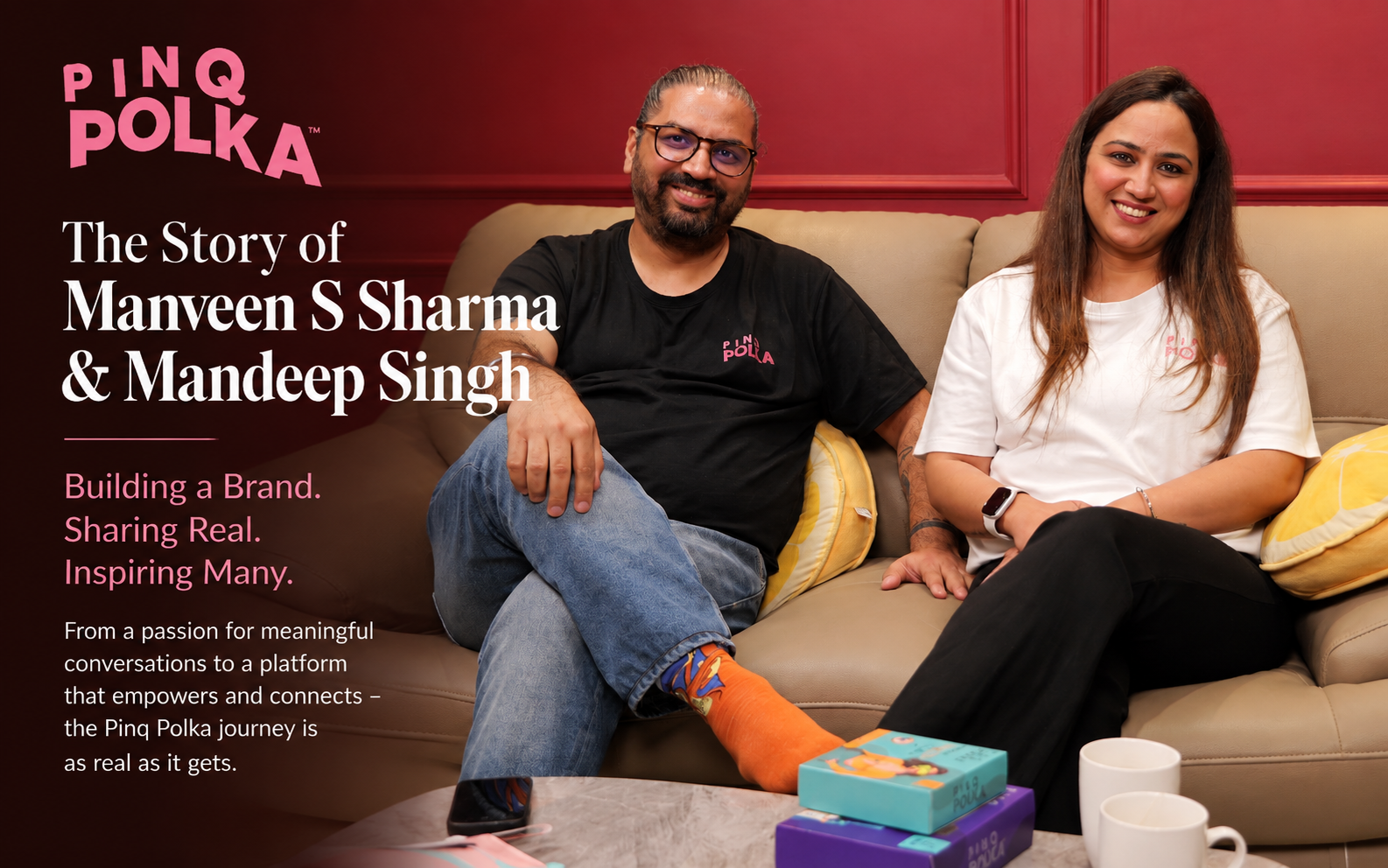
Pinq Polka: The Story of Manveen S Sharma & Mandeep Singh

Manveen S Sharma, CEO of Pinq Polka, brings over nine years of leadership experience across the automotive, mobility, and business sectors, with expertise in business strategy, operations, and customer-centric innovation. Alongside her is her brother, Mandeep Singh, Co-Founder, an entrepreneur with extensive experience in business development, sales, operations, and scaling businesses within the automotive and electric mobility ecosystem. Together, the sibling duo has transformed a simple consumer insight into one of India’s emerging women-first intimate wear and shapewear brands, combining strategic leadership with a shared commitment to creating products that prioritise comfort, confidence, and functionality. 1. Tell us about your venture and how the idea came to life. What made you decide to build it together as siblings? Manveen: Pinq Polka was born out of a personal experience. I often found myself buying women’s personal care products from abroad, because I couldn’t find the same quality in India. During a conversation with my brother, we realised there was a genuine gap in the market. Before launching, we spent months researching, speaking to women, testing products, and gathering honest feedback. That process confirmed we were solving a real problem. Building the brand together happened naturally; we trusted each other’s strengths and shared the same vision of creating products that genuinely improve women’s everyday lives. 2. How do your personalities and strengths complement each other? Manveen: I stay closely connected to our customers, spending time understanding their needs and translating those insights into better products. Many of our innovations have come directly from conversations with women who use our products every day. Mandeep: I focus on business strategy, partnerships, and sustainable growth. While Manveen leads product innovation and customer experience, I ensure we build a business that’s scalable and future-ready. We may approach challenges differently, but we’re united by one principle: never

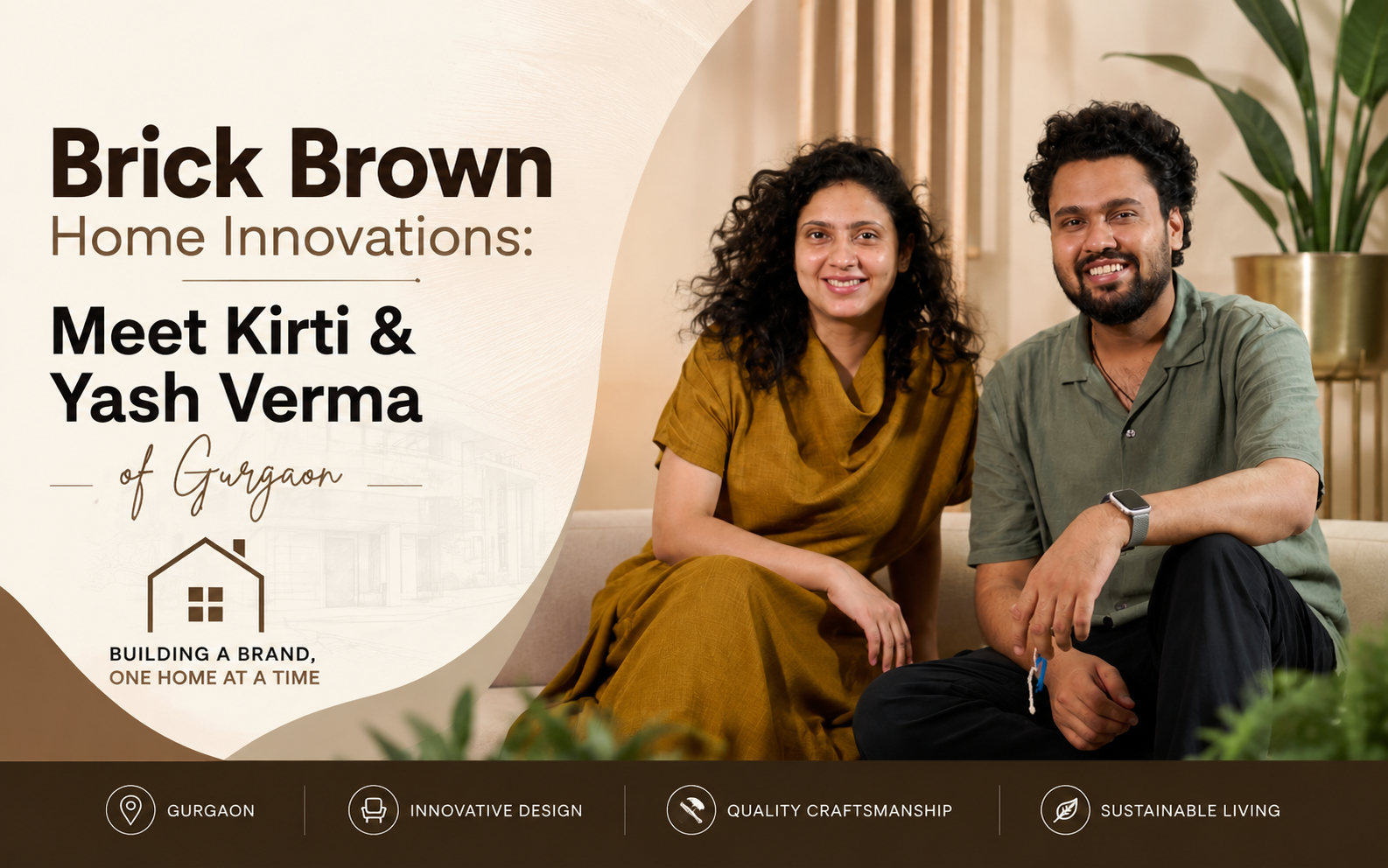
Brick Brown Home Innovations: Meet Kirti & Yash Verma of Gurgaon

Sibling duo Kirti Verma and Yash Verma, founders of Brick Brown Home Innovations, are redefining modern living through thoughtfully designed home décor that blends traditional Indian craftsmanship with contemporary aesthetics. Based in Gurgaon, the brand creates handcrafted solid wood storage solutions, organisers, and home essentials that celebrate functionality, sustainability, and timeless design. Yash Verma leads product innovation, artisan collaborations, and technology-driven operations, while Kirti Verma shapes the brand’s creative vision, design language, and business strategy. Together, they have built Brick Brown into a contemporary homegrown brand that seamlessly blends heritage craftsmanship with modern design. 1. Tell us about your venture and how the idea first came to life. Why did you decide to build it together as siblings? Brick Brown began with a simple belief that homes should feel warm, personal, and lived in. We wanted to create handcrafted wooden pieces that people would cherish for years instead of following short-lived trends. Building the business together wasn’t a planned decision; it happened naturally. Having grown up with similar values and design sensibilities, we instinctively understood each other’s way of thinking, making us natural partners. 2. How do your personalities and strengths complement each other? We bring very different strengths to the table, and that’s what makes the partnership work. I (Yash) focus on product design, manufacturing, and working closely with artisans to perfect every detail. Kirti leads branding, creative direction, storytelling, and business growth. One of us builds products worth talking about, while the other ensures their story reaches the right audience. 3. Has your sibling bond made entrepreneurship easier or more challenging? It has definitely made the journey easier because trust was never something we had to build; it already existed. One moment we’ll always remember is opening our own studio in Gurgaon. Standing in that space, we realised