
POWER TALK: INSPIRING WOMEN IN BIZ |Niketa Sharma

Niketa Sharma is a passionate entrepreneur who began her career as the CEO of her family’s hospitality firm. Coming from a financial background, she pursued her interest in the business field. Initially, the now-restaurateur aspired to be a journalist because she wanted to “make things and give meaning to them.” She then moved on to hotel management school, where she learned how to manage and administer a hotel. Niketa shares with Bidisha Barik how her business path since early age was driven by her desire to establish a magnificent hotel.

When she was 22 years old, the restaurateur decided to enter the business world. Niketa received a lot of support from her parents as an investor in her idea to start her own business in the early years. She expresses appreciation while highlighting the success of the parent company’s four eateries. As the family’s eldest daughter, she was granted unlimited financial independence as well as power and responsibility in pursuing her own profession. “My parents always taught me that it’s up to me to make it or break it,” Niketa explains.
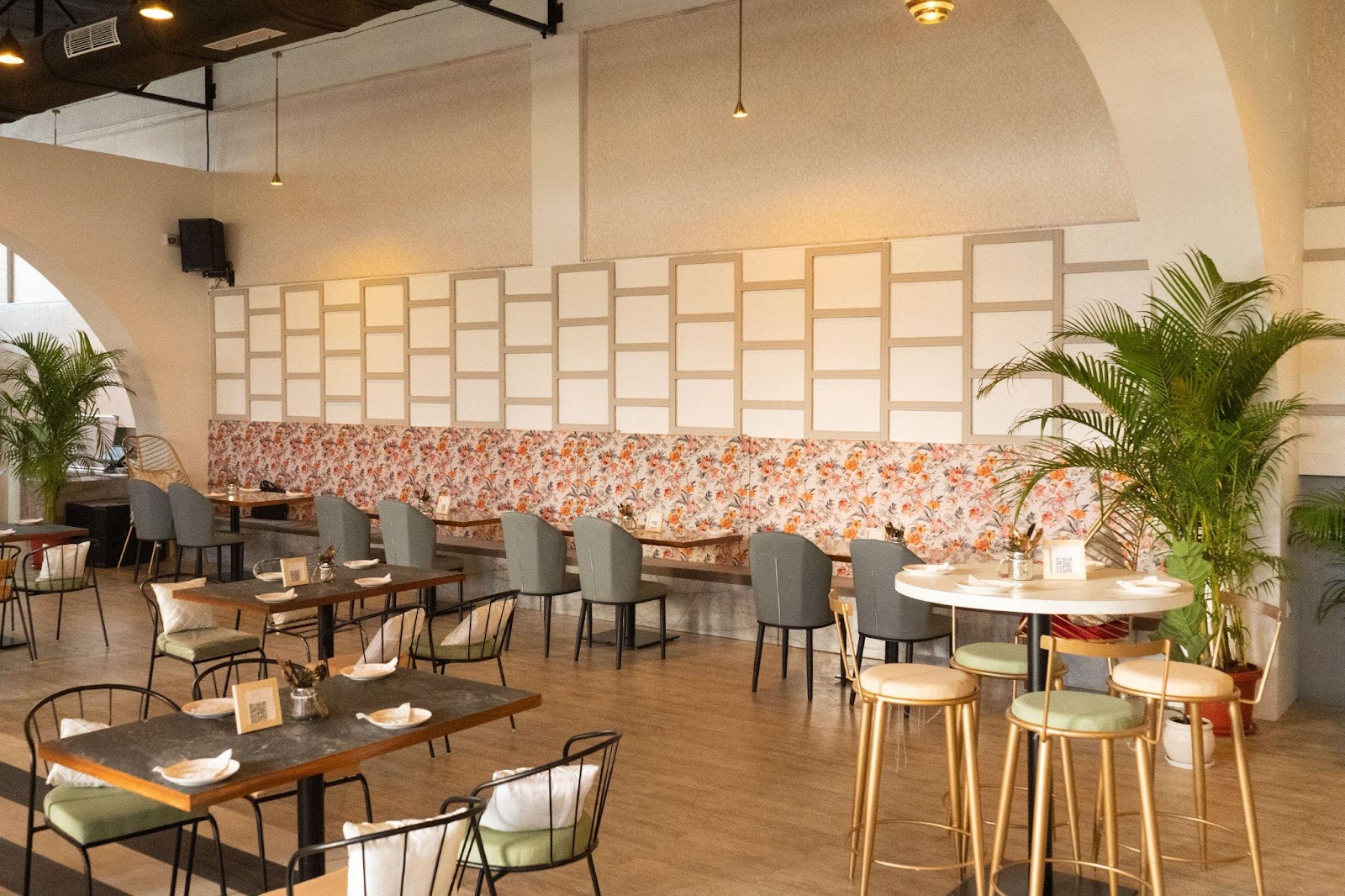
Niketa developed the Magna Cafe and Bar venture in 2022, which was delayed due to the COVID pandemic, but was successfully launched in the evolving and growing city right on time. She shares the importance of demand and supply, “If I had opened Magna seven years ago, people would have received a cultural shock. As a result, I feel this is a good moment to shatter preconceptions,” she says. Her goal of opening a stylish and stunning boutique hotel and a chain of restaurants keeps her going. She has shown a strong desire to work in a position that allows her to meet new people and connect with fresh ideas on a daily basis.

Her belief is that maintaining a strong connection with coworkers and respecting others’ opinions while working in a team is the key to dealing with bad days, and while she encourages her employees to be vocal about their ideas, she also ensures that she brings the emotional connection to the workplace. “

If my chef believes a certain ingredient brings out a greater flavour, I have to follow his opinion and look into the alternative, because he is trained in it,” Niketa adds.

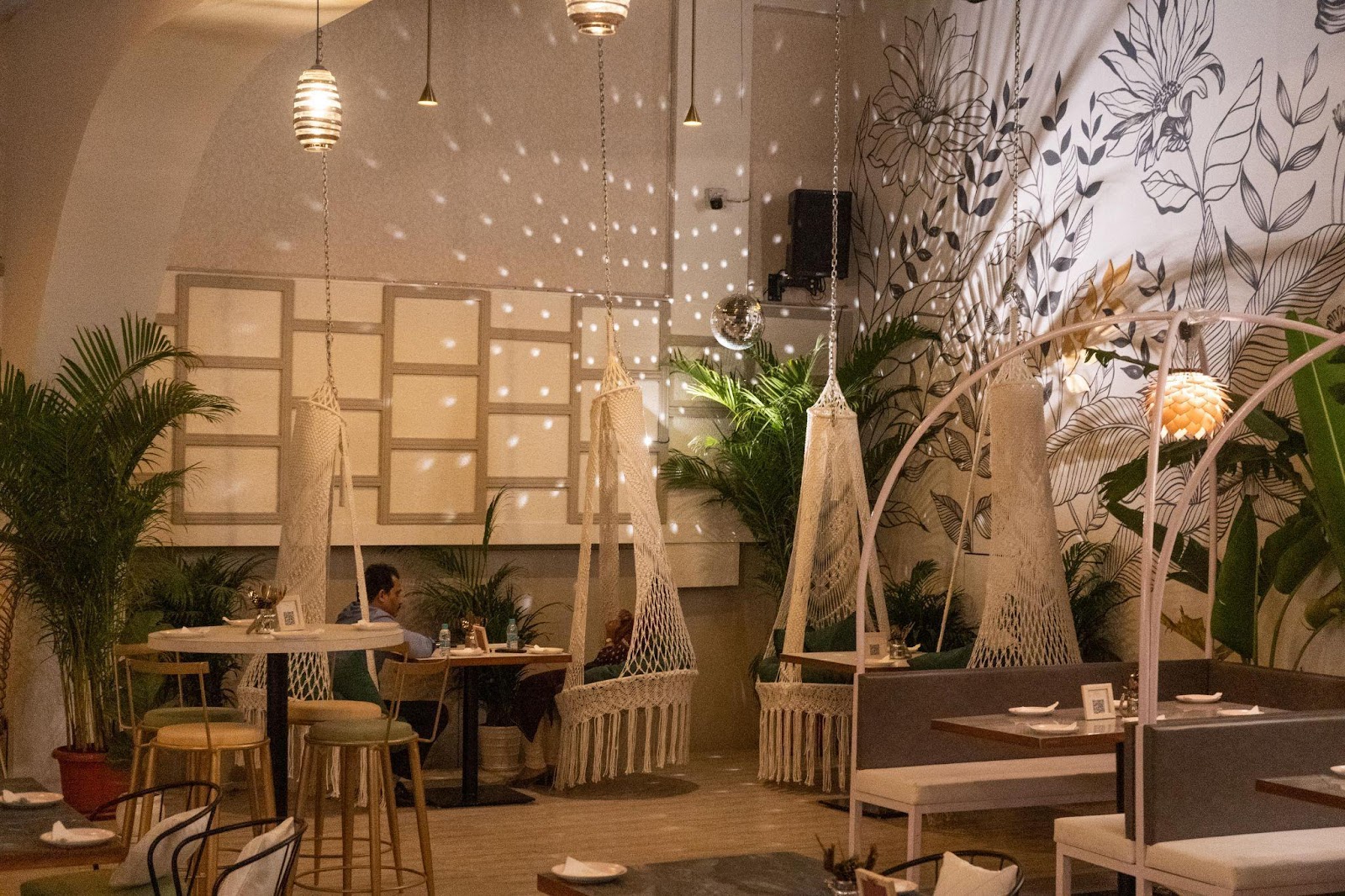
The creator discussed how meticulous she is about décor and ambience, stating that everyone wants to be in a location that gives off a positive feeling while enjoying wonderful food. Magna Cafe and Bar will be expanded by Niketa in Mumbai and Pune, as well as other locations where the cuisine is loved and new venues are discovered. Good cuisine that is also affordable is a difficult nut to crack, and her goal is to reach out to all of those establishments to create a premium atmosphere.

Quick Take:

Believe in your concept and do it. Don’t let the fear take over!

One quote to live by?

One piece of advice to women entrepreneurs struggling in the male-dominant industry?

I live by this quote by Ratan Tata, “First take the decision and then make it right.”
Leave a comment

Your email address will not be published. Required fields are marked *

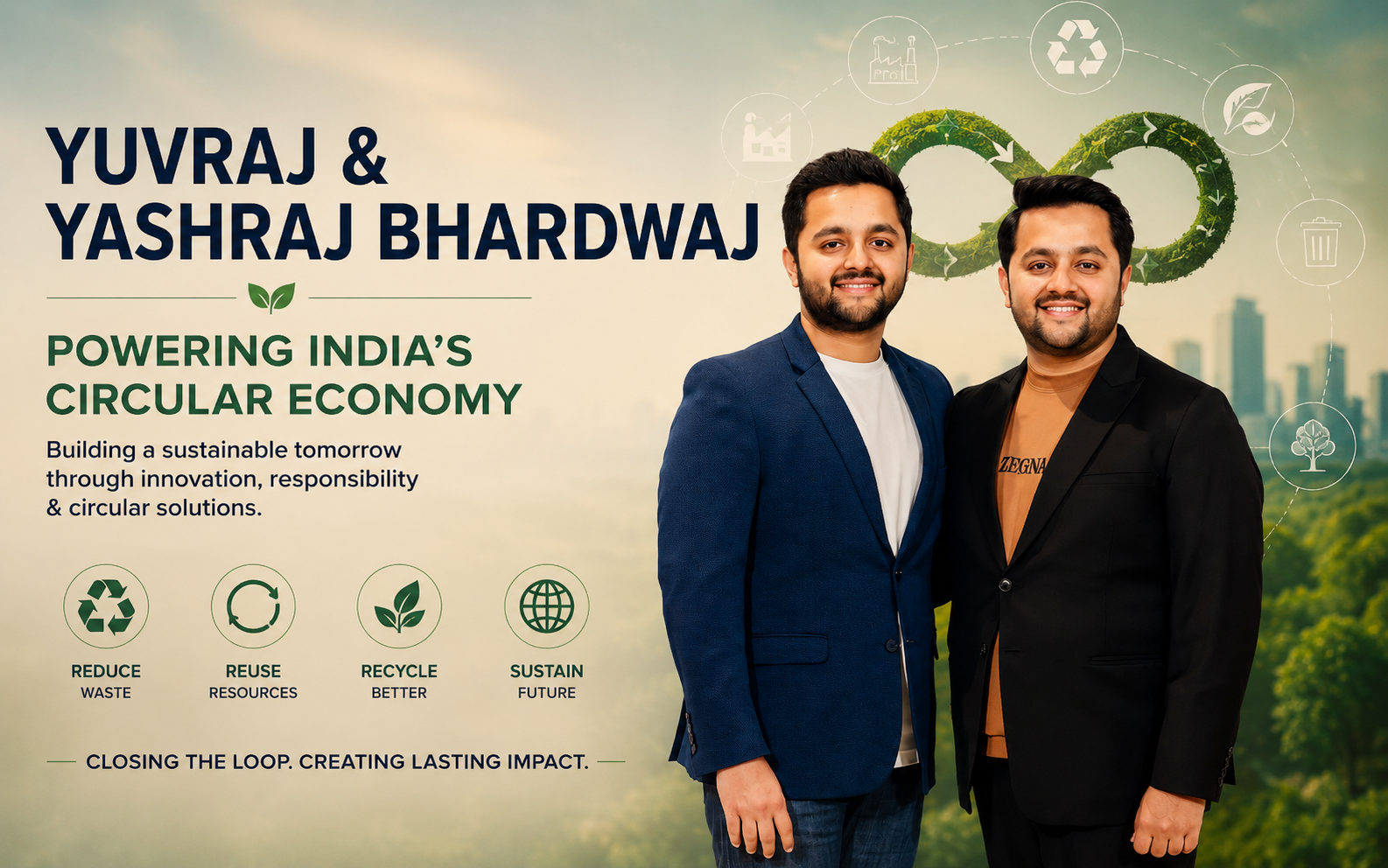
Yuvraj & Yashraj Bhardwaj | Powering India’s Circular Economy

Twin brothers Yuvraj Bhardwaj and Yashraj Bhardwaj are the co-founders of Plannex Recycling, a Gurugram-based circular economy company transforming waste management through technology and innovation. Both entrepreneurs began innovating at the age of 14, filing patents and undertaking research projects long before launching their ventures. Today, while Yuvraj, Co-Founder & CEO, leads operations, technology, and execution, Yashraj drives strategy, policy, partnerships, and global expansion. Together, the Forbes 30 Under 30 Asia honourees have built one of South Asia’s leading recycling platforms, processing over 500,000 metric tonnes of waste annually across 18 facilities in seven countries, proving that sustainability and scale can go hand in hand. 1. Tell us about your venture and how the idea first came to life. What made you decide to build it together as siblings? Yashraj: We’ve been building things together since we were 14, so becoming co-founders wasn’t really a decision; it was the natural next step. We saw India’s waste sector as a fragmented industry with enormous potential but very little technological intervention. While most people saw waste, we saw an opportunity to build infrastructure for the future. Yuvraj: Today, Plannex processes over 500,000 metric tonnes of waste annually across categories such as e-waste, PET plastics, batteries, tyres, and industrial waste, while creating employment for more than 2,000 people. Being twins gave us something every founder hopes to build: complete trust. We couldn’t imagine creating this business any other way. 2. How do your personalities and strengths complement each other? Yuvraj: Although we’re twins, we think very differently, and that’s our biggest advantage. I focus on operations, technology, and execution, making sure every facility runs efficiently and every process delivers on its promise. Yashraj: I spend more time on strategy, partnerships, policy, and investor relationships, helping Plannex expand globally. One of us imagines what’s

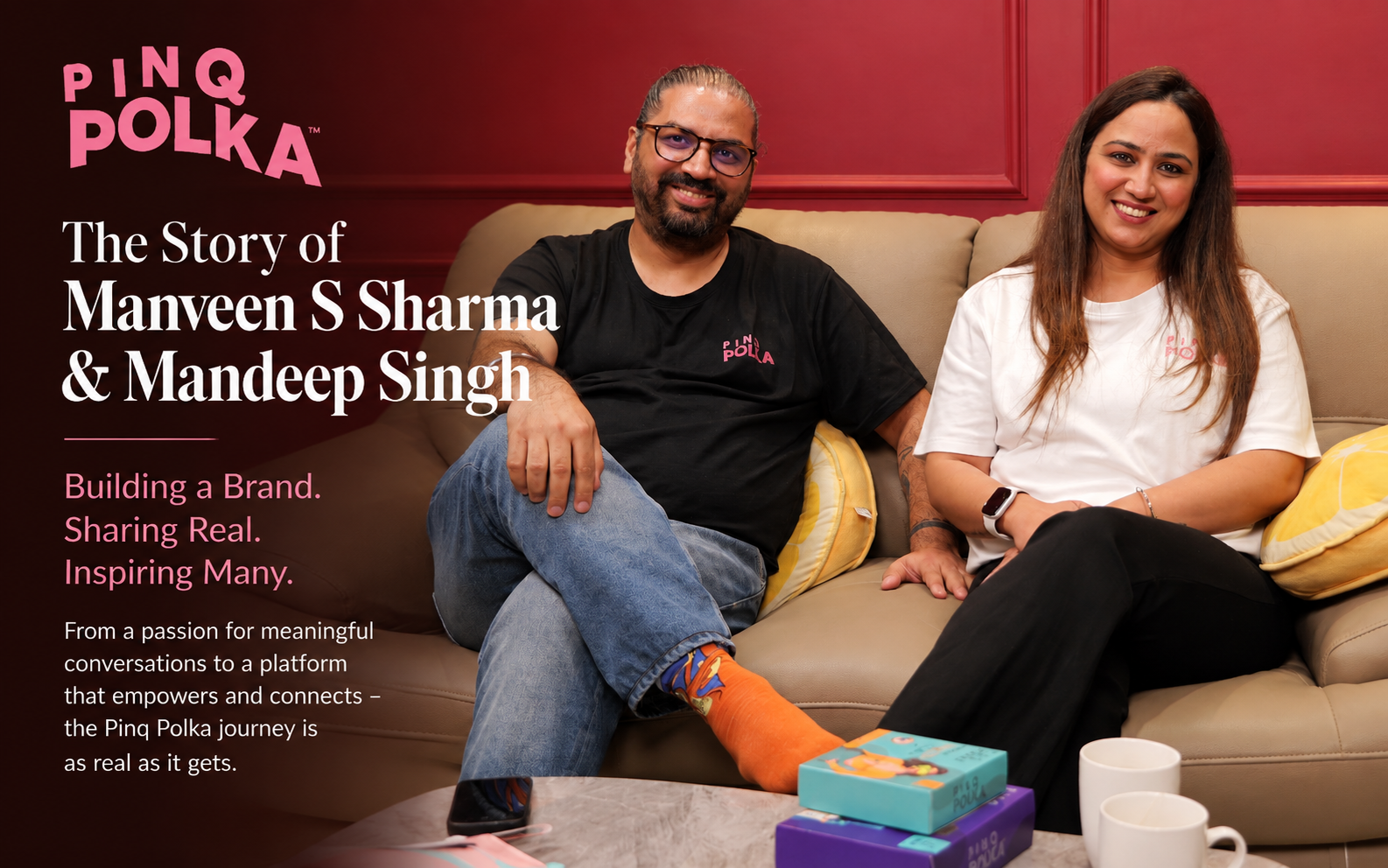
Pinq Polka: The Story of Manveen S Sharma & Mandeep Singh

Manveen S Sharma, CEO of Pinq Polka, brings over nine years of leadership experience across the automotive, mobility, and business sectors, with expertise in business strategy, operations, and customer-centric innovation. Alongside her is her brother, Mandeep Singh, Co-Founder, an entrepreneur with extensive experience in business development, sales, operations, and scaling businesses within the automotive and electric mobility ecosystem. Together, the sibling duo has transformed a simple consumer insight into one of India’s emerging women-first intimate wear and shapewear brands, combining strategic leadership with a shared commitment to creating products that prioritise comfort, confidence, and functionality. 1. Tell us about your venture and how the idea came to life. What made you decide to build it together as siblings? Manveen: Pinq Polka was born out of a personal experience. I often found myself buying women’s personal care products from abroad, because I couldn’t find the same quality in India. During a conversation with my brother, we realised there was a genuine gap in the market. Before launching, we spent months researching, speaking to women, testing products, and gathering honest feedback. That process confirmed we were solving a real problem. Building the brand together happened naturally; we trusted each other’s strengths and shared the same vision of creating products that genuinely improve women’s everyday lives. 2. How do your personalities and strengths complement each other? Manveen: I stay closely connected to our customers, spending time understanding their needs and translating those insights into better products. Many of our innovations have come directly from conversations with women who use our products every day. Mandeep: I focus on business strategy, partnerships, and sustainable growth. While Manveen leads product innovation and customer experience, I ensure we build a business that’s scalable and future-ready. We may approach challenges differently, but we’re united by one principle: never

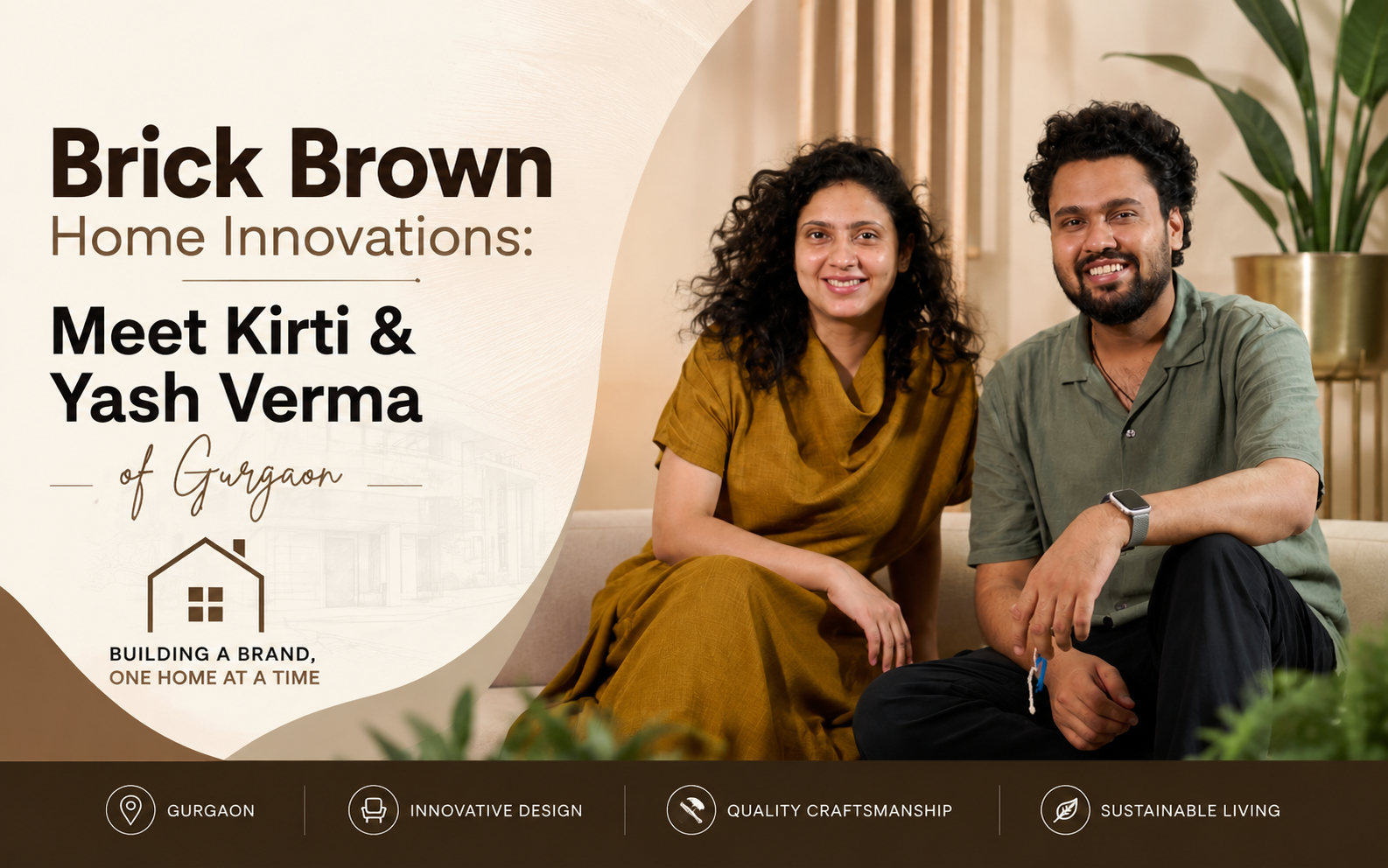
Brick Brown Home Innovations: Meet Kirti & Yash Verma of Gurgaon

Sibling duo Kirti Verma and Yash Verma, founders of Brick Brown Home Innovations, are redefining modern living through thoughtfully designed home décor that blends traditional Indian craftsmanship with contemporary aesthetics. Based in Gurgaon, the brand creates handcrafted solid wood storage solutions, organisers, and home essentials that celebrate functionality, sustainability, and timeless design. Yash Verma leads product innovation, artisan collaborations, and technology-driven operations, while Kirti Verma shapes the brand’s creative vision, design language, and business strategy. Together, they have built Brick Brown into a contemporary homegrown brand that seamlessly blends heritage craftsmanship with modern design. 1. Tell us about your venture and how the idea first came to life. Why did you decide to build it together as siblings? Brick Brown began with a simple belief that homes should feel warm, personal, and lived in. We wanted to create handcrafted wooden pieces that people would cherish for years instead of following short-lived trends. Building the business together wasn’t a planned decision; it happened naturally. Having grown up with similar values and design sensibilities, we instinctively understood each other’s way of thinking, making us natural partners. 2. How do your personalities and strengths complement each other? We bring very different strengths to the table, and that’s what makes the partnership work. I (Yash) focus on product design, manufacturing, and working closely with artisans to perfect every detail. Kirti leads branding, creative direction, storytelling, and business growth. One of us builds products worth talking about, while the other ensures their story reaches the right audience. 3. Has your sibling bond made entrepreneurship easier or more challenging? It has definitely made the journey easier because trust was never something we had to build; it already existed. One moment we’ll always remember is opening our own studio in Gurgaon. Standing in that space, we realised

Getting Sassiest: The Brand Making Sexual Wellness More Inclusive In India

In a country where conversations about sex are still low-key at dinner tables and turn school classrooms awkwardly silent, brands like Sassiest are changing the script, one meme, conversation, and pleasure-positive post at a time. From cheeky Instagram content and relatable humour to refreshingly honest takes on intimacy, confidence, and self-exploration, the brand is helping young Indians approach sexual wellness with far less awkwardness and a lot more openness. Mehak Walia gets sassy with Aishwarya Dua and Karishma Chavan, the co-founders of Sassiest. And honestly, that shift feels long overdue. For years, discussions around pleasure and desire in India have either been buried under shame or treated like something too scandalous to say out loud, especially when women are leading the conversation. Founded by Aishwarya Dua and Karishma Chavan, Sassiest is pushing back against that discomfort with a voice that feels warm, inclusive, funny, and unapologetically real. Instead of sounding clinical or preachy, the brand creates space for conversations around boundaries, body confidence, emotional well-being, and modern relationships in a way that actually feels relatable to today’s generation. For Karishma, the inspiration behind the brand came from noticing just how disconnected many women grow up feeling from their own bodies. “Most conversations around intimacy here are either hidden, judged, or purely medical,” she says. “Nobody was really talking about pleasure, confidence, self-exploration, or emotional wellness in a way that felt normal, safe, and relatable.” That silence, she explains, extends far beyond intimacy itself. Shame and conditioning often shape confidence, relationships, and even the way women exist in the world. “I wanted Sassiest to feel less clinical and more like a movement,” Chavan shares. “A space where women and queer people could feel seen without embarrassment.” Of course, building a sexual wellness brand in India came with its fair share of