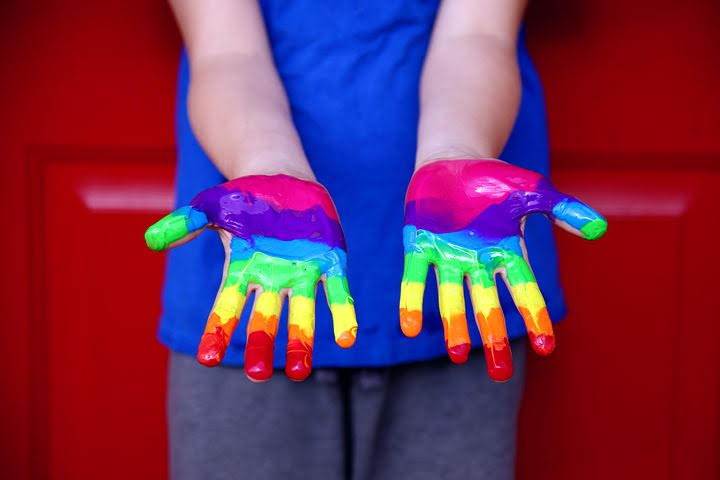
It has been over four years since section 377 was struck down in a landmark ruling by India’s Supreme Court. Since then, the queer community of India has been actively reasserting their rights in their fight for freedom and equality. The past year has seen five such game-changers from the community take to public platforms and change the narrative of the LGBTQ+ people for the better. Mehak Walia talks to the five talented individuals who have unleashed their pride in order to change the world for themselves and others.
In the sad and devastating year of 1861, section 377 was established by the colonial British. What followed were various acts which criminalized being homosexual as well as transsexual. 1992 brought with it the winds of change as India turned a new leaf in queer history. The first protest for gay rights in India was held in 1992 and the first pride parade in India was held in Kolkata, in 1999.
These beautiful and colourful wins paved the path for many more people to speak up and fight for their rights along with those of the community as a whole. Our revolutionaries are among these people, the ones who care enough to dare.
Dr. Trinetra Haldar Gummaraju (She/Her) (@trintrin)
Dr. Trinetra Haldar Gummaraju is a digital content creator and doctor, currently completing her medical training. Through powerful imagery, writing, art and other means of expression, she delves into the realities of queer lives in India. Speaking with a pinch of sass, she addresses an audience of over 120,000.
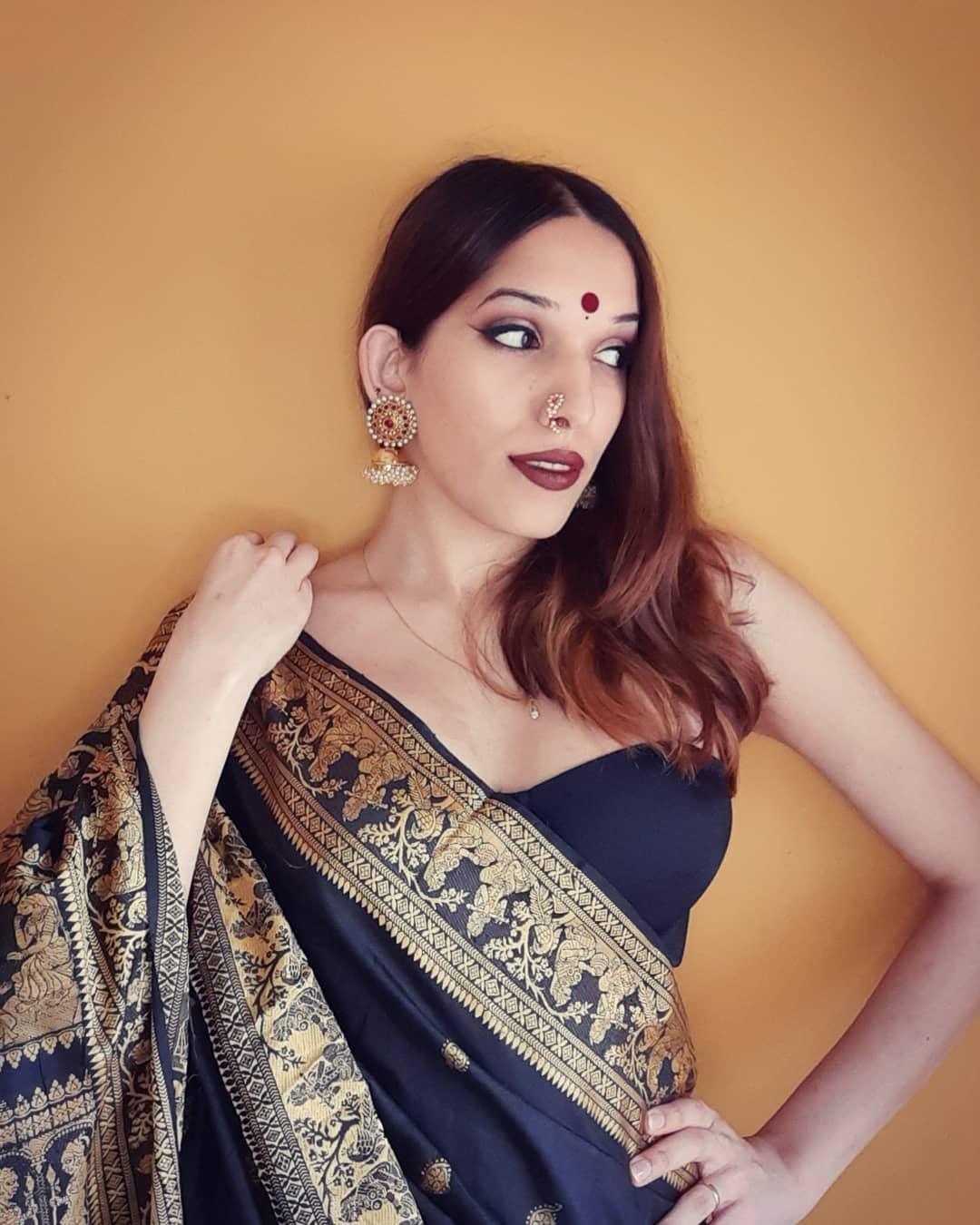
An out and proud transgender woman, she has extensively documented the highs and lows of her transition and life in general, and now seeks to better queer lives through her content and work in healthcare alike.
At the young age of 24, Dr Trinetra Haldar Gummaraju has worn many hats. But one thing has remained constant: “I was always the woman I am.”
“I was always the woman I am.”
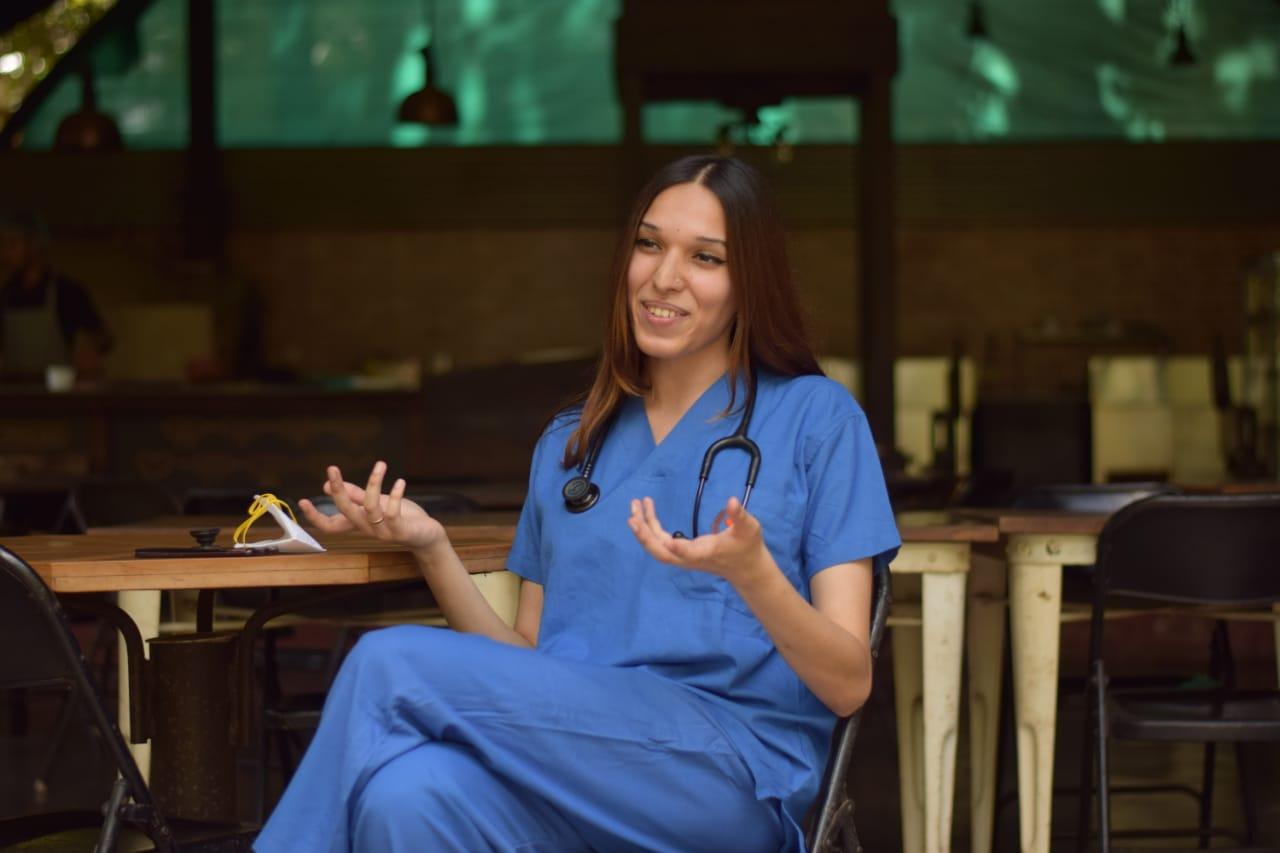
Dr. Gummaraju, who is interning at one of India’s top teaching hospitals – KMC in Manipal, Karnataka – hopes that her rising profile will help younger transgender people realise that “life does get better.”
“As doctors, we know human beings are resilient by default. Have faith in your ability to heal,” she says with a smile.
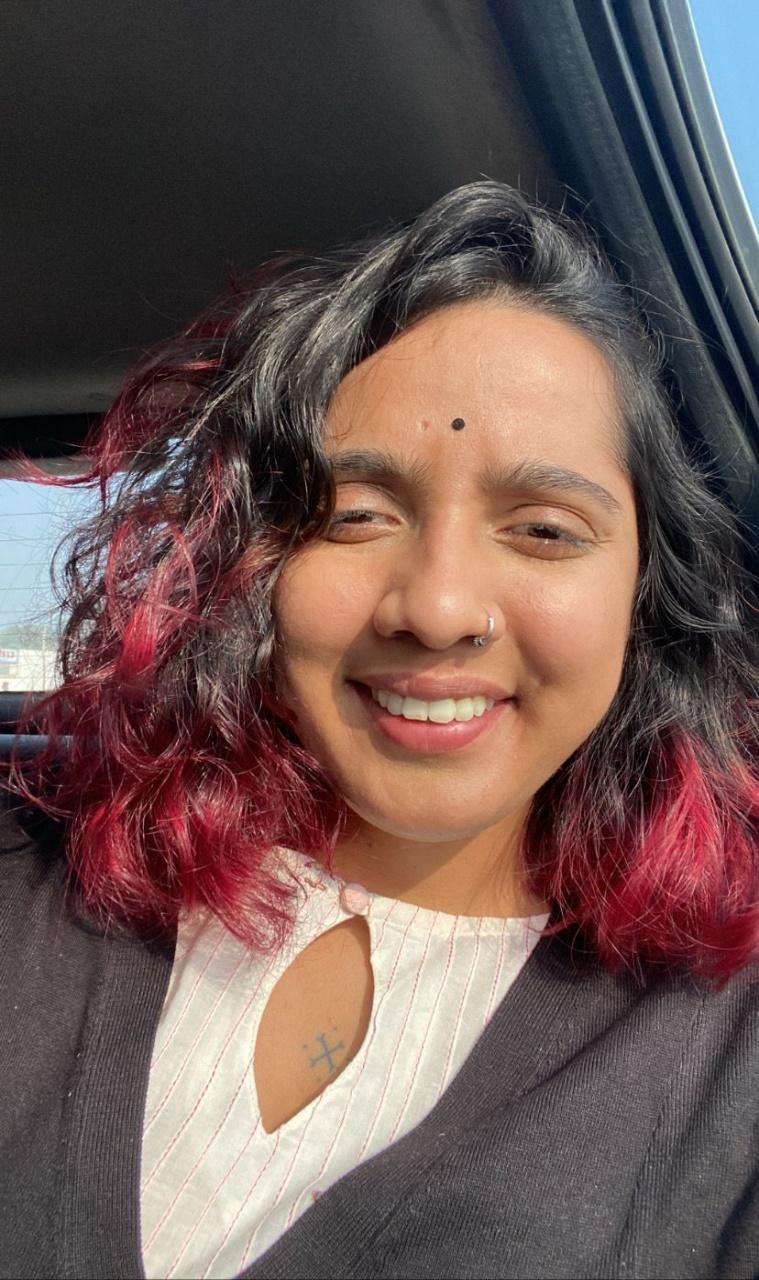
Apurupa Vatsalya (She/They) (@inapurupriate)
Apurupa is an intersectional, sex-positive, neuroqueer feminist. A lawyer-turned-sexuality educator and POSH Trainer, she has been researching, creating modules, and teaching CSE through workshops for young people between the ages of 6-25 years, their parents, and educators.
She works with young adults to enable them to understand and comply with anti-harassment workplace laws along with being the founder of Bibliotherapy – a safe space for healing through reading and psychoeducation.
“Something as simple as using the right name and pronouns…may not come naturally to us. However, that’s when we must challenge ourselves to do better and keep trying.”
“I work at the intersections of gender, sexuality, safety, body neutrality, and identity, and their interplay with emotional well-being and social justice,” she adds.
Apurupa, who has been conceptualizing and facilitating courses addressing themes of pleasure activism for women for over four years, believes that “Challenging gender stereotypes looks like using more gender-neutral language and affirmative terms and titles – something as simple as using the right name and pronouns. This is something that may not come naturally to us and we will falter. We may even find it frustrating at times. However, that’s when we must challenge ourselves to do better and keep trying.”

Maya the Drag Queen aka Alex Matthew (He/She) (@Mayathedragqueen)
Maya is a fabulous Indian drag queen, TEDx Speaker, Emcee, Influencer, Activist and Actor who has been doing drag for about 7 years now. Her love for performing started with her being a theatre geek, where she realized that being an out and proud queer person in theatre is hard.
Serendipitously, she came across an art form that resonated with her and helped her be proud of herself, and that was drag. She comments, “Drag culture in our country has not yet established itself to the point where one could walk to a gay bar and see a drag queen perform but let’s hope we get there, soon.”
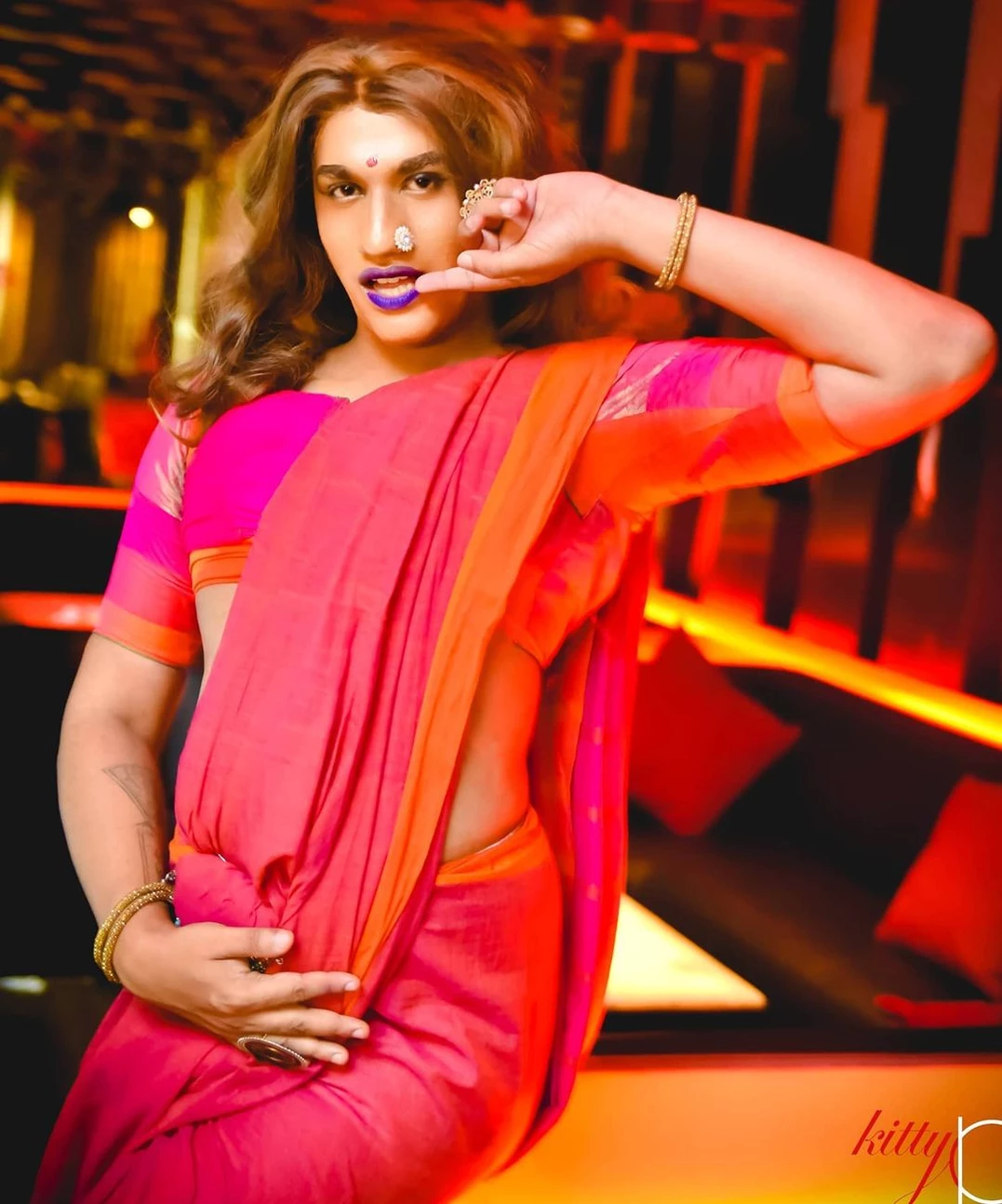
Along with promoting local cultural identity in the art form drag, she engages with social issues of gender and feminism.
She further adds, with a determined smile, “I acknowledged that I was gay in September 2014. My mother is the one who helped me gain the courage to do so, but this doesn’t happen for everyone. The patriarchy has taught us that only masculine men are desirable and not the ones who choose to embrace their feminine sides. This needs to change.”
“The patriarchy has taught us that only masculine men are desirable and not the ones who choose to embrace their feminine sides. This needs to change.”
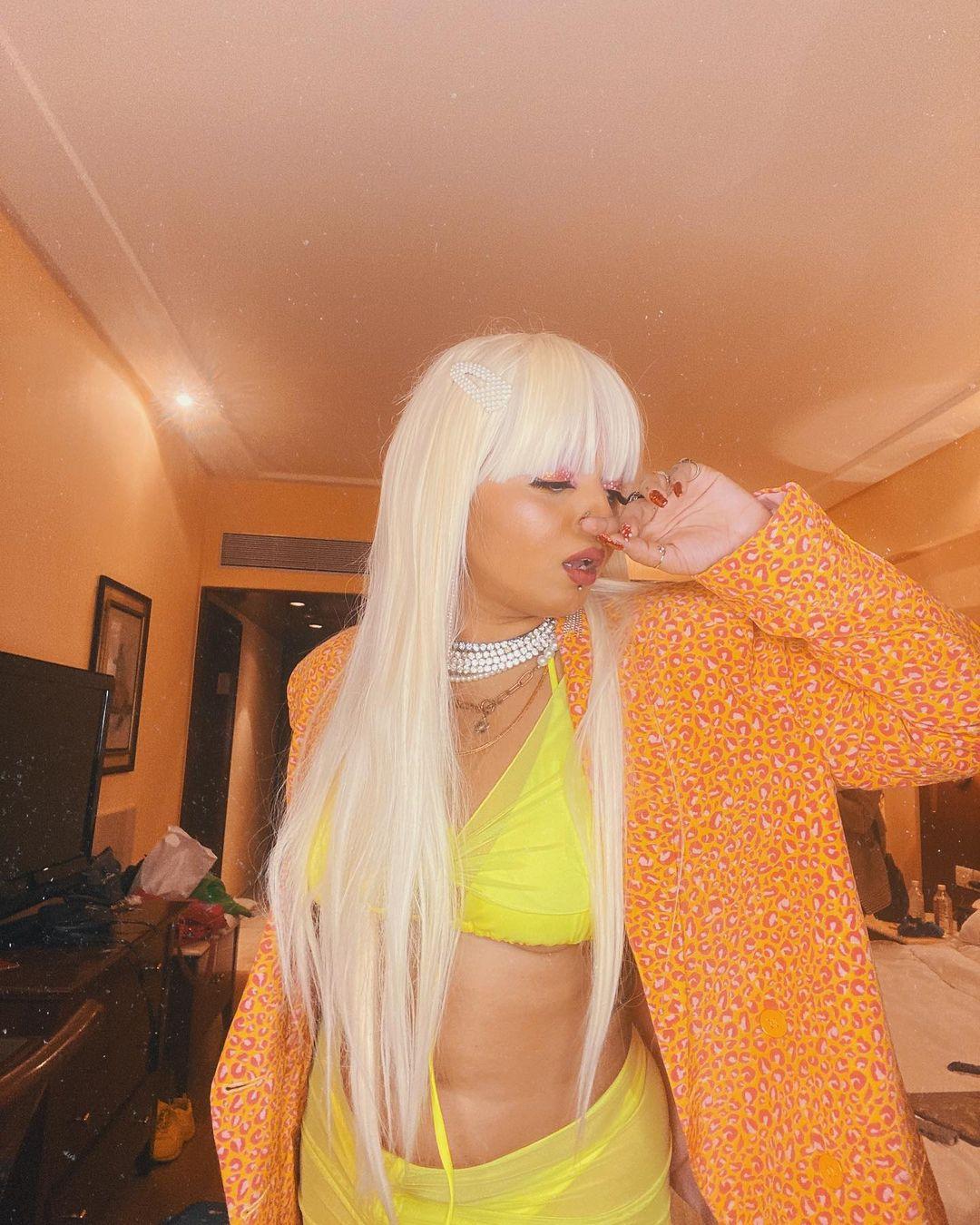
Roshini Kumar aka Rosh (@Rosh93)
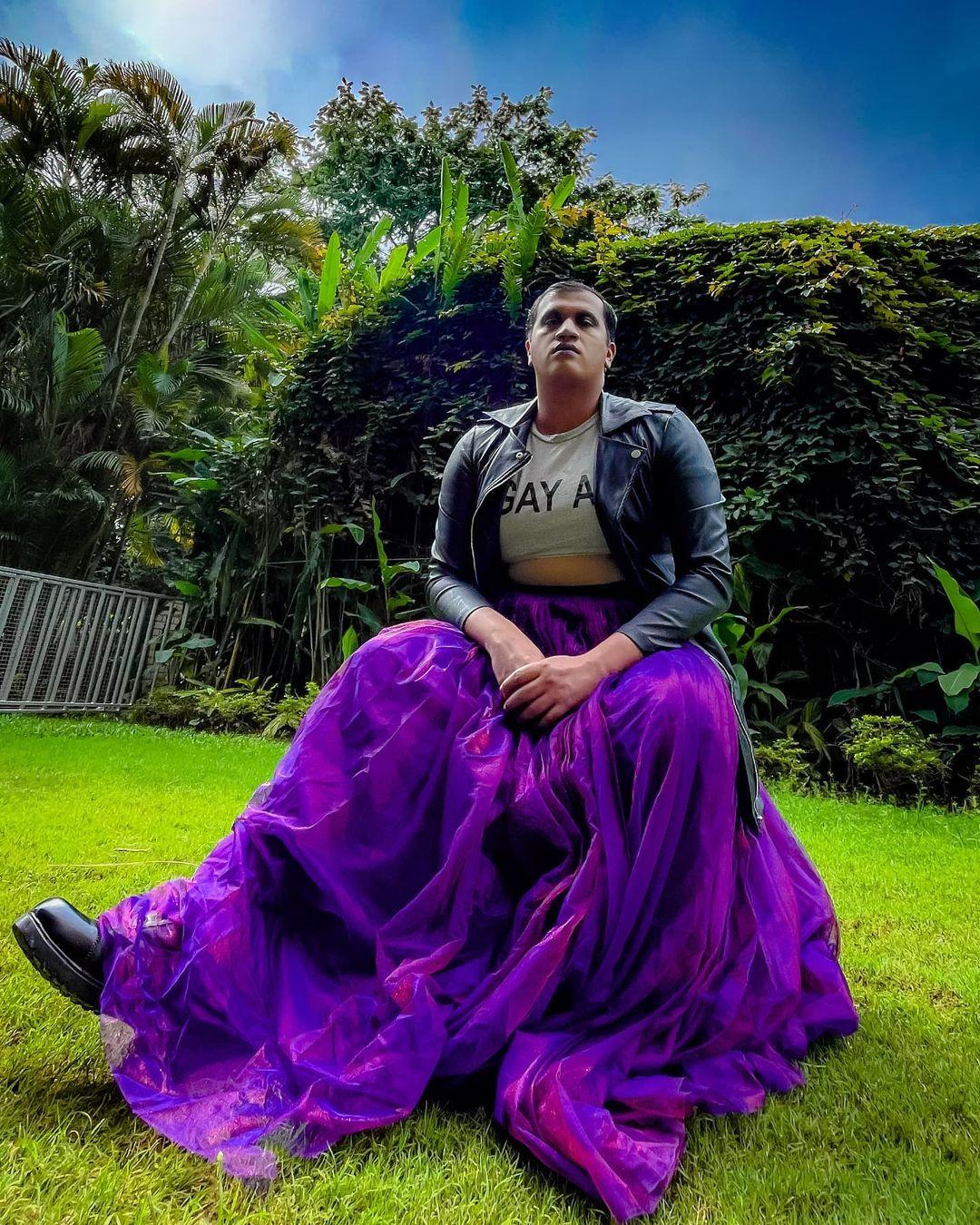
Roshini is a photographer, activist, proud vegan, cancer survivor and ‘feminist as fuck.’ She believes in using her voice and art to stand up for many causes and bring awareness.
From body positivity, mental health and misogyny to environmental causes and animal cruelty, she will keep raising voices for all causes that need focus and importance.
She exclaims, “What do I do? Everything I can!”
“What do I do? Everything I can!”
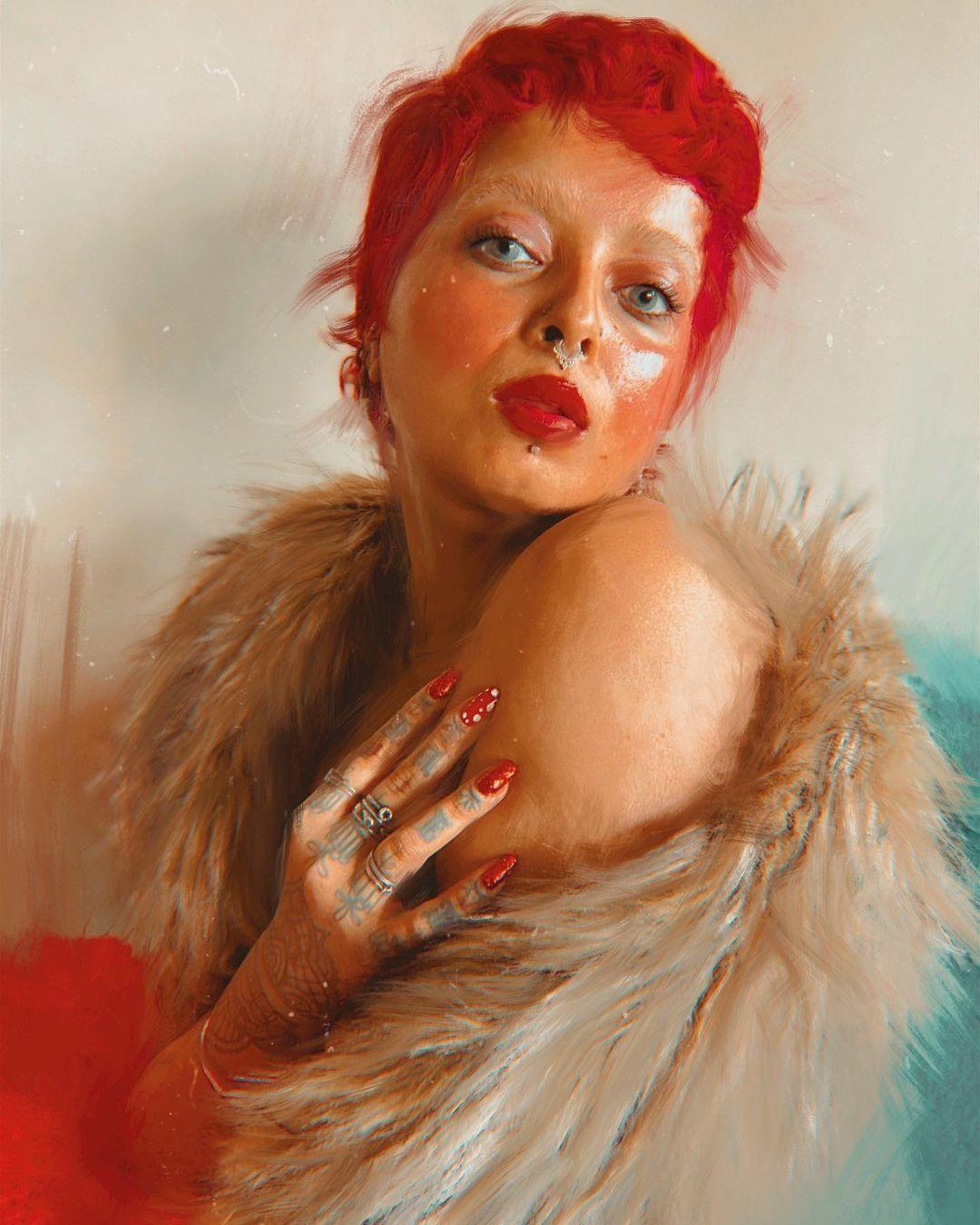
Her work is based on her values and her personality. She likes creatively pushing the boundaries and firmly believes that every artist should have their own creative style. She believes in being the change she wants to see in the world, while of course being as colourful and herself as she can be doing that.
“I have been through severe body image issues, and I was trying to get over them. When I was in a space of being body neutral and hadn’t reached body positivity yet, I did a nude shoot of myself to be okay with my body and its flaws. I put it up on Facebook and it got a lot of positive responses, which encouraged me to do more because it made me realise that people want and need to see more real bodies as opposed to photoshopped ones,” she comments.
Sonal Giani (She/Her) (@Sonalgiani)
Known for her pioneering work in highlighting lesbian and bisexual women’s issues as well as LGBTQ+ youth work, Sonal Giani is a very vocal LGBTQ+ activist, filmmaker and feminist.
She identifies as a polyamorous and bisexual woman. She has also co-founded some of India’s largest LGBTQ youth initiatives, including Yaariyan and Umang, a lesbian-bisexual-transgender initiative in Mumbai.
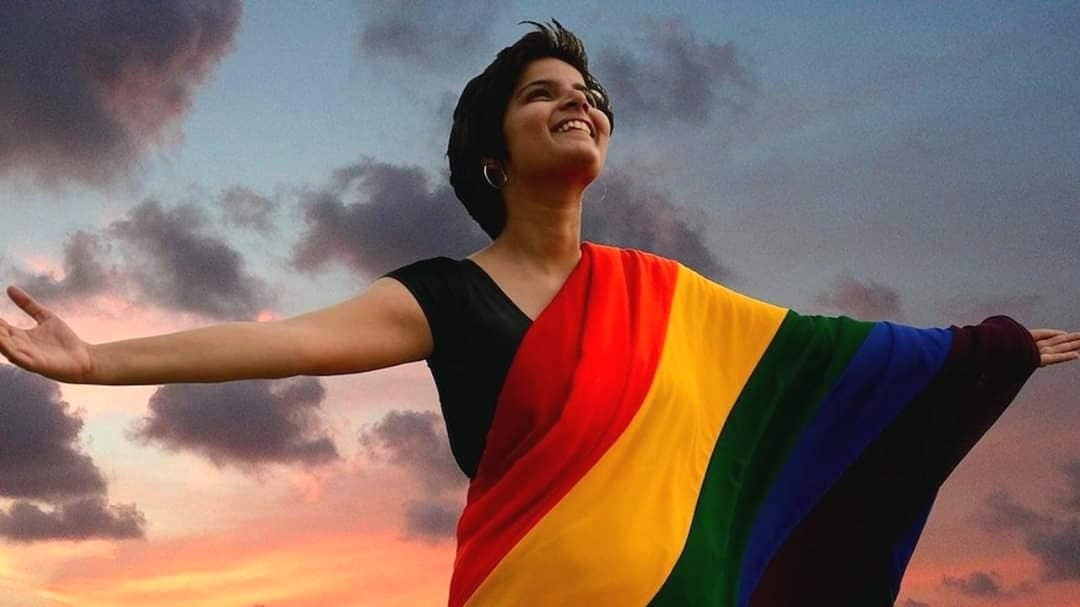
When it comes to talking about exploring her sexuality, she said, “I have been attracted to men since puberty and continue to be till this day. I’ve had some wonderful relationships with men and women, both of which have helped me explore my sexuality to its fullest.”
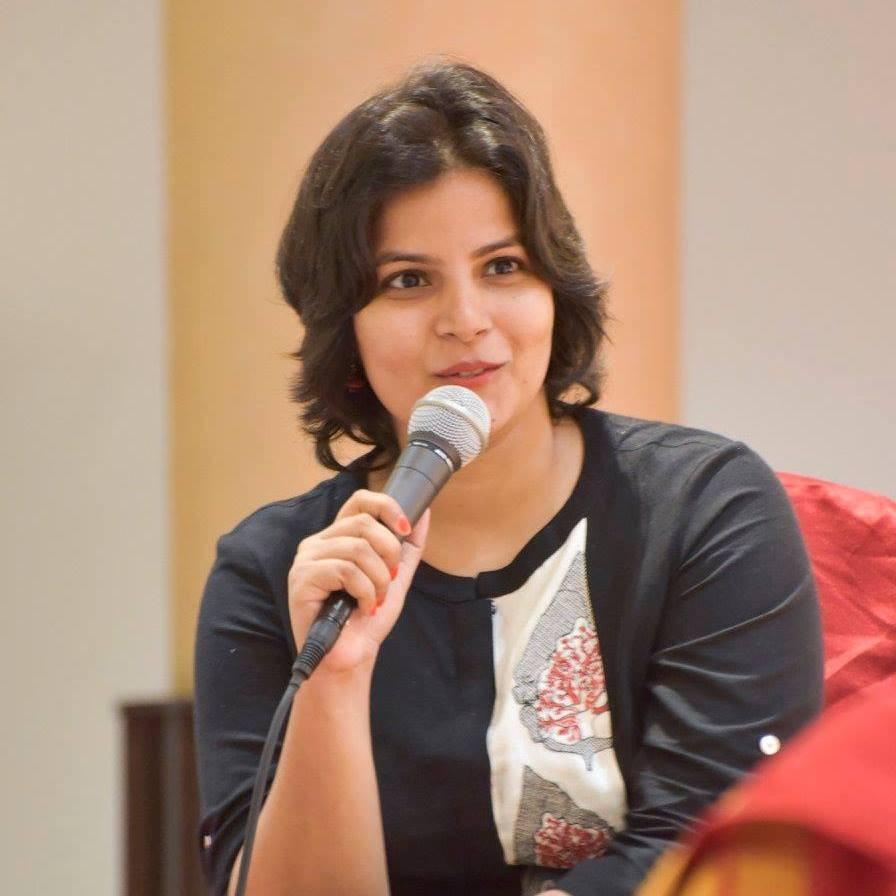
She is one of the most prominent youth icons of the LGBTQ+ rights movement in India. She hails from Goa and after completing her studies there, she moved to Mumbai for work. The city of dreams is where she got access to support spaces for LGBTQ+ individuals and got actively involved in the fight against discrimination.
Sonal believes that “It is important to recognize that this is not a straight society. Countless people don’t identify as that but are in the closet because of non-representation. This could change if more queer people come out and occupy spaces and are given more platforms.”
This list is in no way exhaustive. There are various members of the beautiful community who are making their names grand in the country while motivating others to do the same. There are also people who are making a change and contributing to the community’s overall growth.
This means, you can do this too! Don’t give up or bend. Never. Go wild, be your best self and let your rainbow shine on.
“It is important to recognize that this is not a straight society.”