
Safeguard your eyes, safeguard your body!

Has digital evolution encompassed us in the COVID19 Pandemic? Is digital addiction is more lethal than any other addictions? Dr Kasu Prasad Reddy – Chief Surgeon & Founder of MaxiVision Eye Hospitals, Hyderabad gives us a lowdown…

Digitalisation has swallowed the world much faster than expected. The pandemic further catalysed the walk on the digitalisation journey of people. It is believed that 32% of the Indian population owns a mobile phone and 560 million use the Internet. This makes India the second largest online marketplace, right after China. We should also be accounting for the population that uses Internet on computers, nearly 8 hours a day! The constant staring at screens and the white light glare is causing intense damage to the most important organ of our body, the eyes. 

At MaxiVision, we as eye care providers have witnessed a surge in eye issues in the population less than 25 years of age. This is more so for people working in the Information Technology field. As a result of this, we have special departments for computer vision syndrome, to address the vision defects, and related orthopaedic issues because of improper ergonomics. We recommend the special use of ARC Glasses (Anti-reflective coated) glasses for computer users, and teach them proper ergonomics and eye exercises while working long hours in front of computers. What we observed as eye specialists is that users are addicted to their digital devices even when not on their official work duties. 

Digital addiction is more lethal than a drug addiction and there are multiple issues related to it. Digital addiction is defined as a primary, chronic disease of brain reward, motivation, memory, and related circuitry. Dysfunction in these circuits leads to characteristic biological, psychological, social, and spiritual manifestations.  This is reflected in an individual pathologically pursuing reward and/or relief by substance use and other behaviours. Symptoms of digital addiction such as increased loneliness (also called “phoneliness”), anxiety, and depression were observed in a sample of university undergraduates who completed a survey about smartphone use during and outside of class.  Other observations included observations of “I Neck” (poor) posture as well as how multitasking/semi tasking was prevalent in the sample. 

Digital addiction is more lethal than a drug addiction and there are multiple issues related to it. Digital addiction is defined as a primary, chronic disease of brain reward, motivation, memory, and related circuitry. 

A range of medical issues can result from digital addictions that can affect your health. 

  1. No Sense of Ergonomics

Corona has probably made lot of ‘couch potatoes’ than before. People spending more time on digital platforms or on the television adversely affect their sitting position and sleeping positions. So even if you have to spend more time on your television or computer systems, choose a proper seating position—sit erect, take frequent breaks and do small exercises post these sessions to keep your back pain or neck pain at bay.

  1. Vision Health

Three devices that are an essential part of our day-to-day lives need to be used well to protect your vision health

  • Mobile Phones

All mobile phones and computer screens emit radiation. The radiation level, also called the SAR value (specific absorption rate), is the unit of measurement for the quantity of electromagnetic energy that is absorbed by the body when using a cordless device (mobile, tablet, cordless phone, etc.). The SAR value of a mobile device controls the heat the device generates but does not protect you from the adverse health effects on the human body that are caused by the nature of these radiations. Too much screen time can wreck your eyes. Smart phones, laptops, and other handheld devices all transmit light. Only option is to reduce your screen time. 

  • Computers & Laptops

Using a laptop exposes you to Electromagnetic Fields (or EMFs), basically radio waves that emanate from electronic devices and create a magnetic field. These can be referred to as “Laptop radiation” (though not technically). The heat radiating from your laptop can actually damage your skin. Researchers say the skin discolouration can be permanent, and in rare cases it can cause damage leading to certain skin cancers. Blocking the heat from your laptop can be equally important for male fertility. The heat produced by laptops is definitely not sperm-friendly. If you want healthy sperm count, keep that laptop heat away!

  • Televisions

OLED TVs really are good for your eyes. A 4K display is no more likely to cause eyestrain than a 1080p alternative. In fact, its greater clarity is an asset. Eyestrain can still occur, but if it does it’s because of excessive brightness, improper positioning or other factors, not the resolution.

The surge in use of technological gadgets has made human lives increasingly digital. In fact, according to a recent study, the human attention span has shortened from 12 seconds to 8 seconds in more than a decade due to digital technology.

  1. Behavioural Issues 

There have been certain adverse behavioural conditions in people using excessive digital devices. To elaborate a few, 

  • People often feel the need to engage with digital devices even if it is inappropriate or dangerous for them to do so. It results in damage to brain systems connecting emotional processing, attention, and decision-making. 
  • Internet addiction alters the volume of the brain. The brain changes are similar to those produced by alcohol and cocaine addiction. It shrinks the brain’s grey and white matter fibres which results in changes to emotional processing and brain functioning. 
  • Many people use social media to facilitate communication with friends and family. However, for others, it has further isolated them from human contact. Technology has hindered people’s ability to think. Children addicted to video games may make quick decisions but they have also been unable to control their aggression and impulses.
  • The surge in use of technological gadgets has made human lives increasingly digital. In fact, according to a recent study by Microsoft Corporation, the human attention span has shortened from 12 seconds to 8 seconds in more than a decade due to digital technology.
  1. Effects on Kids

Technology has affected kids adversely. These days, loneliness, depression, anxiety, stress, attention deficit disorders and inability to concentrate and inability to make decisions due to numerous options available online are some of the issues rampant in kids. All the above might cause imbalances in nutritional intake and stunted growth and development.

Conclusion

Overall, while digitalisation has eased our lives in many ways, it has also come with its own set of adverse effects. Unfortunately, these adverse effects have a far-reaching consequence on the essential health of human life and hence effective warning definitely needs to be sounded off to concerned sections of the society and the population at large. Eyes they say are the windows to your soul, so we ought to protect them. Safeguard your eyes, Safeguard your body!


Leave a comment

Your email address will not be published. Required fields are marked *

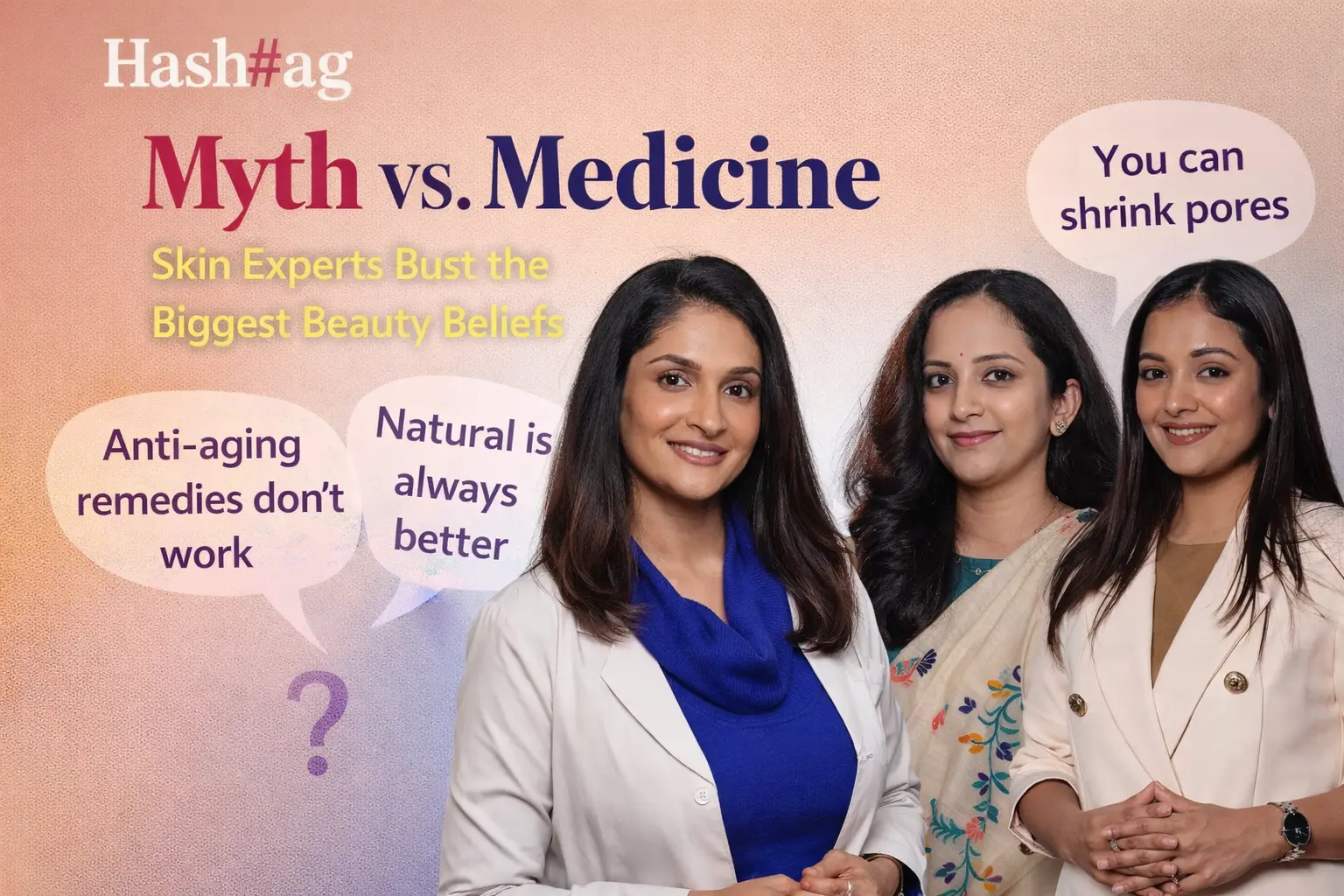
Myth vs. Medicine: Skin Experts Bust the Biggest Beauty Beliefs

In an age of reels, trends, and skincare hacks, it’s harder than ever to separate beauty facts from fiction. Hashtag Magazine turned to dermatologists and skincare experts to decode what truly benefits your skin, and what belongs in the bin. Here’s the expert-approved truth your skin has been waiting for. Dr Anupriya Goel is an Aesthetic Dermatologist and Medical Director of Berkowits Hair and Skin Clinics. She is the author of the book, How to Get Glass Skin, published by Penguin House. She actively writes articles in medical journals and newspapers and has more than 20 million views on her YouTube videos. She is a National trainer of anti-ageing procedures like Botox, fillers and threadlift and an international trainer for hair growth treatments. Can climate and pollution directly affect skin health and trigger skin problems? Yes. Climate and pollution have a direct impact on skin health. Extreme temperatures, low humidity, and UV exposure can disrupt the skin barrier, leading to dryness, sensitivity, pigmentation, acne, and premature ageing. Pollution particles generate free radicals that increase oxidative stress, damage collagen, worsen inflammation, and aggravate conditions like acne, eczema, and melasma. Is it necessary to change skincare products when the seasons change? In many cases, yes. Skin needs change with the weather. During colder or drier months, the skin tends to lose moisture faster and may require richer moisturisers and gentler cleansers. In hot or humid seasons, lighter formulations, non-comedogenic products, and better oil control are often needed. Adjusting skincare helps maintain a healthy skin barrier year-round. Can a damaged skin barrier cause multiple skin issues at the same time? Absolutely. The skin barrier is essential for retaining moisture and protecting against irritants, allergens, and microbes. When it is compromised, the skin becomes more prone to dryness, redness, acne, sensitivity, infections, and flare-ups

New Year, New Goals: Fitness and Wellness Experts Reveal Their 2026 Focus

As 2026 begins, Hashtag Magazine speaks to fitness and wellness influencers to learn about their goals, routines, and trends for the year ahead. From mindful movement to holistic health, here’s how they plan to stay strong, balanced, and inspired. Mihir Jogh: Bringing Balance and Clarity through Yoga Mihir Jogh is a seasoned yoga teacher and founder of JogaShala, an online platform rooted in classical Hatha yoga and enriched with modern movement, mobility, and breath work practices. With over 15 years of teaching experience, Mihir is celebrated for his thoughtful sequencing, alignment focus, and ability to make yoga practical, grounding, and relevant to modern life. His work empowers people to find freedom in their bodies, clarity in their minds, and confidence in movement both on and off the mat. New Year’s Resolution for 2026–For 2026, Mihir plans to place self-care at the heart of his life. “This means prioritizing rest, sleep, and intentional travel, and allowing myself time to absorb each experience truly,” he explains. He is also returning to study in an ashram, approaching his own practice with humility and curiosity. Transformative Habits–He recommends a straightforward habit for overall well-being: a daily disconnect. Even a few minutes away from screens, notifications, and constant stimulation through quiet reflection, journaling, conscious breathing, or yoga, which can reset the nervous system and reconnect us with our inner rhythm. Yoga for Stress and Digital Fatigue–Mihir observes that people are turning to yoga not just for flexibility, but to cope with stress, burnout, and digital overload. “Yoga teaches us to slow down, breathe consciously, and respond instead of reacting,” he says. Simple practices like mindful movement, breath awareness, and strategic pauses help regulate the nervous system and cultivate resilience in an increasingly demanding world. Karina Trigubchak: Mindful Movement, Meaningful Strength Karina Trigubchak is a wellness

Ayurveda in the Modern Age: How India’s Ancient Science Is Going Global

Ayurveda is an ancient Indian system of medicine that focuses on achieving harmony between the body, mind, and spirit through natural methods such as diet, herbal remedies, and lifestyle adjustments. This “science of life” is moving far beyond its Indian origins to become a globally embraced approach to health, attracting millions who seek natural balance. The global market for Ayurvedic medicine and related services was estimated at $17.15 billion in 2024 and is projected to reach $85.83 billion by 2033, demonstrating explosive growth. This expansion reflects a global shift toward balanced, natural living. For example, Ayurveda views leisure as essential for well-being. Taking time for sports, socializing, or even playing the wonderland live casino game supports this balance, offering mental renewal through engaging experiences. As this philosophy spreads, it is reshaping health, beauty, and wellness worldwide, moving beyond purely allopathic approaches. Global Acceptance of Ayurvedic Practices The international community is increasingly recognizing Ayurveda as a viable complementary health system. Organizations around the world are taking steps to regulate and promote its use. For instance, the World Health Organization (WHO) has actively supported the development and regulation of traditional and complementary medicine globally. Official Recognition and Integration The integration of Ayurvedic principles into mainstream health systems is a major trend. Over 80 percent of the population across 170 countries reportedly use traditional medicine, including Ayurveda. Academic and clinical collaborations are also expanding. The acceptance is moving beyond simple acknowledgment into formal regulatory frameworks. Several Western nations now permit registered practitioners to operate legally: The United States National Institutes of Health recognizes Ayurvedic medicine as a form of complementary and alternative medicine. Five nations within the European Union formally recognize Ayurvedic therapy, acknowledging its therapeutic value. India established the Ministry of Ayush to promote education, research, and propagation of indigenous medicine systems

Bridal Beauty 2025: Trends, Tips & Timeless Looks for Modern Brides

In 2025, bridal beauty is all about achieving glowing skin, embracing individuality, and exuding timeless elegance. Celebrity makeup artist Bianca Louzado, known for her work with some of India’s most famous brides, shares her expert insights on the looks, palettes, and tips that are defining this year’s weddings. What’s the most significant bridal makeup trend of 2025? Fresh, luminous skin with a ‘your skin but better’ finish is dominating this year. Brides want understated elegance soft sculpting, creamy products, and light-reflecting highlights that create an ethereal glow. Brides are still inspired by celebrity weddings. “For Sanjana Ganesan at her wedding with Jasprit Bumrah, I created a fresh, skin-focused look that remains a favourite today. Kiara Advani’s dewy glow and Alia Bhatt’s romantic minimalism are also top references, while Priyanka Chopra’s modern-traditional fusion appeals to brides who want balance. For intimate and destination weddings, soft glam effortless, romantic looks are most popular. But in grand, multi-day North Indian celebrations, traditional glam with bold eyes and vibrant colours continues to shine. Colours & Palettes to Watch Warm peach, muted rose, soft corals Gold, champagne, and bronze shimmer for the eyes Matte berry lips for winter weddings Glossy nude lips for summer ceremonies How does destination wedding makeup differ by climate? Beach weddings: Lightweight, sweat-resistant products with SPF and minimal powdering. Cold climates: Rich hydration layers, creamy textures, subtle highlighter. Dry regions like Rajasthan: Matte long-wear bases with hydrating prep, warm earthy tones. Do’s & Don’ts for Brides See a dermatologist several months in advance and stick to a consistent skincare routine. Avoid experimenting with facials or new skincare products right before the big day. What mistakes do brides commonly make? Over-exfoliating, last-minute treatments, and ignoring the event’s lighting when finalizing looks. Lighting matters more than most people realize. If a trial is

You May Also Like

Connect with us