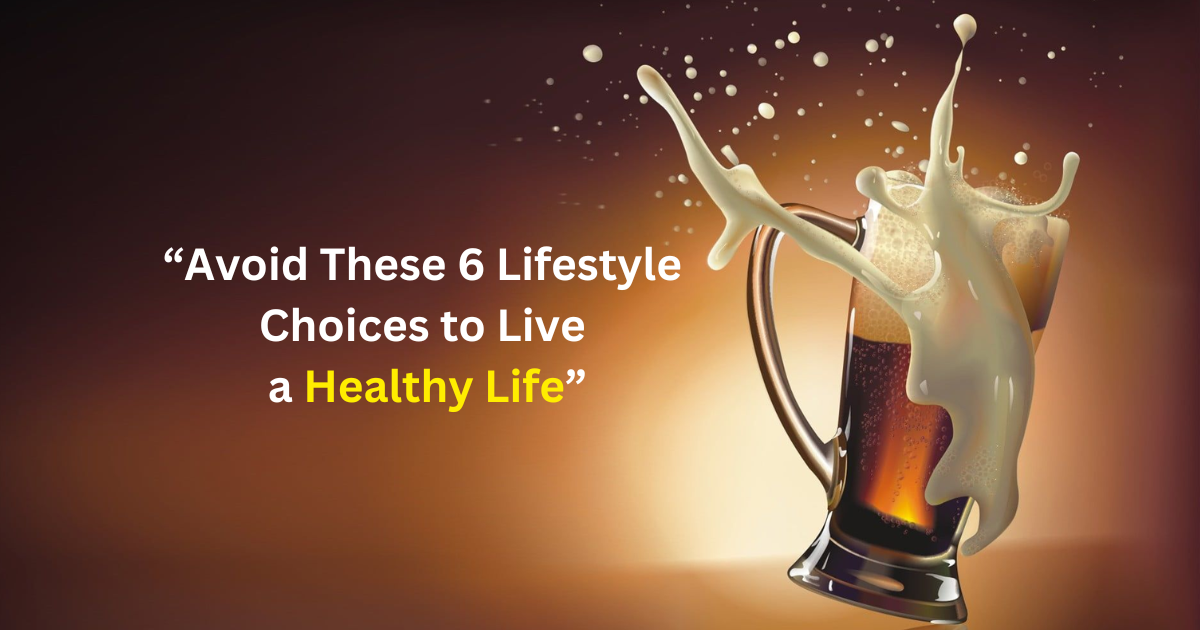
Avoid These 6 Lifestyle Choices to Live a Healthy Life

Adulthood brings with it the ugly realisation that the small choices we make every day can define our health in the long term. And there begins the pursuit of a healthy lifestyle. Simply put, a healthy lifestyle is maintaining good habits that preserve your mental and physical health. It includes various aspects, including your diet, exercise habits, the stress in your life, screen time in a day, and even your personal beliefs and preferences. Jigar Patel, the Founder of Health-e, a HealthTech app, lists a few essential things to maintain a healthy lifestyle.

What is a Lifestyle?

Your lifestyle is your comprehensive manner of living. And if you make the incorrect lifestyle choices, you will likely repent in the long term. Diseases like diabetes, high blood pressure, arthritis, and spondylitis can creep up on those who are careless with their lifestyle and daily habits for long.

The Interdependence of Lifestyle & Health

Lifestyle and health are closely related. Lifestyle choices such as diet, exercise, stress management, and substance use directly influence vital signs like blood pressure, heart rate, and respiratory rate. Adopting a healthy lifestyle can help maintain optimal vital signs and overall well-being. A healthy way of living enables you to feel stronger, sleep better, and stay energetic throughout the day. Conversely, an unhealthy lifestyle impacts your health, and you begin to see signs of deterioration within a few years.

On the one hand, the interdependency of lifestyle and health prevents you from enjoying materialistic luxuries such as alcohol and fast food daily. On the other hand, following a healthy lifestyle helps you easily avoid severe illnesses like metabolic disorders, joint and bone issues, cardiovascular diseases, hypertension, obesity, and stress.

Your choice determines if the interdependence of lifestyle and health works in your favour or against. Here are six lifestyle choices that set you on the path to weak health in the long term.

Yoga female cooking homemade salad

Avoid a Sedentary Lifestyle – Activity and exercise should be integral to your daily routine. Experts advise clocking up at least 2.5-5 hours of training or other moderate physical activity weekly. Moderate physical activity includes lifting weights, climbing stairs, mowing the lawn, brisk walking, or playing sports like golf or swimming. Otherwise, you could do 1.5-2.5 hours of vigorous physical activity like jogging, aerobics, fast cycling, or playing soccer, hockey, or netball. Minor changes to your lifestyle go a long way, like –

  1. Walking or cycling to work instead of driving
  2. Taking the stairs instead of the lift
  3. Parking further away to walk to the office
  4. Cleaning or gardening yourself to get some incidental exercise
  5. Meeting friends for a walk instead of for a meal or movie

Make Conscious Food Choices – Unhealthy eating habits can be more harmful than inactivity. Diet is a vital part of a healthy lifestyle. But fast-paced lives leave little room for home cooking and leisurely eating. Weight gain and obesity are the most common results of unhealthy eating habits. Although obesity does you no harm, it can trigger the onset of different lifestyle diseases over time. However, if we make conscious food choices, avoid binge eating, and plan our meals – we can develop healthy eating habits. Eating healthy keeps our digestive system healthy and enables our body to function better overall.

Alcohol – Alcohol, when consumed in moderate amounts with a check on frequency of consumption – can be a great way to enjoy life. However, overconsumption of alcohol can have disastrous consequences. Health guidelines say that a healthy adult should not consume more than ten standard drinks per week and never more than four standard drinks in one day. Always check the alcohol content in the drink you partake in and adjust the quantity of your drink accordingly. Excessive drinking leads to severe ailments, including mental health difficulties, cancer, obesity, diabetes, infertility, heart attack, stroke, dementia, and liver failure.

Insufficient Water Intake – Water is critical for the human body. All our organs need water to function normally. And that’s why everyone must drink six to eight glasses of water daily. If you don’t drink enough water, you may develop problems like frequent headaches, dry mouth, bad breath, kidney stones, urinary tract infections, fatigue, constipation, and dull or dry skin. Whenever you are thirsty, avoid drinking carbonated drinks or juices. Instead, increase your intake of water to improve your health.

Poor Sleep – Like food and water, sleep is essential for your body. Sleep recharges your body and mind, strengthens your immune system, and enables your body to repair damaged tendons or muscles. For good health, decide when to go to bed and wake up daily. Try to follow the schedule as best as you can. Poor sleeping habits can leave you tired, cranky, and incapable of functioning to the best of your abilities. Sleep deprivation can cause memory loss and dizziness.
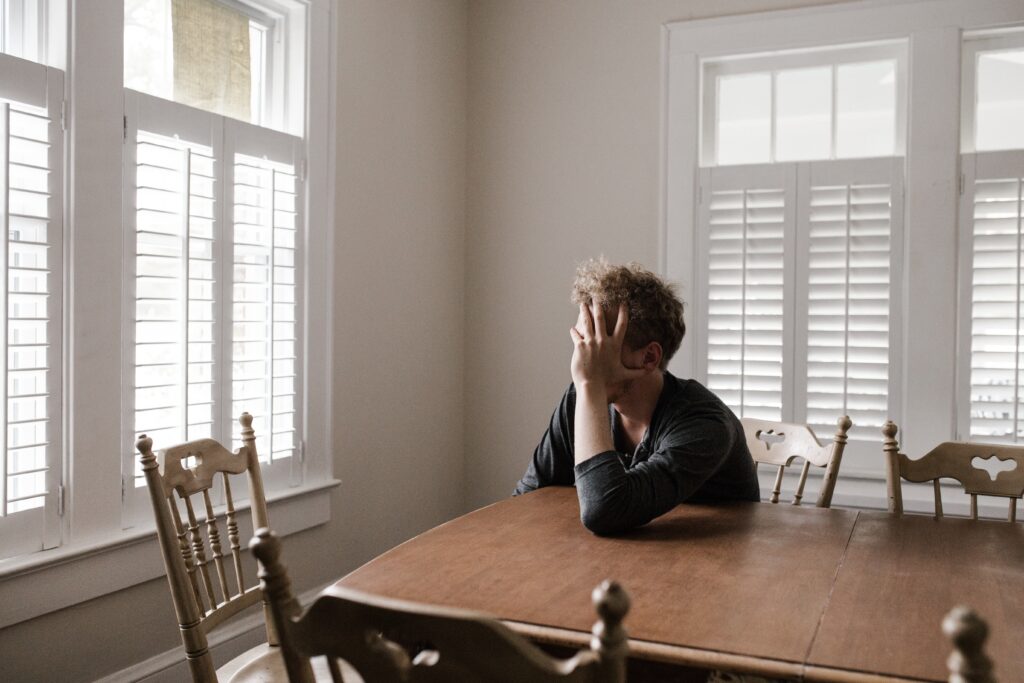
Increased Stress – It is essential to maintain a work-life balance to follow an active lifestyle and live a fulfilling life. If you are stressed about work for weeks on end, you stand the risk of burnout. Besides work, excessive screen time, constant connectivity, the pandemic, and economic uncertainty may cause stress in your life.

Small changes go a long way in improving your lifestyle. Start small and build habits that help you care for your health as you go through your daily routine. The key is to take a proactive approach and find aspects with room for improvement, following a healthy lifestyle.

Leave a comment

Your email address will not be published. Required fields are marked *

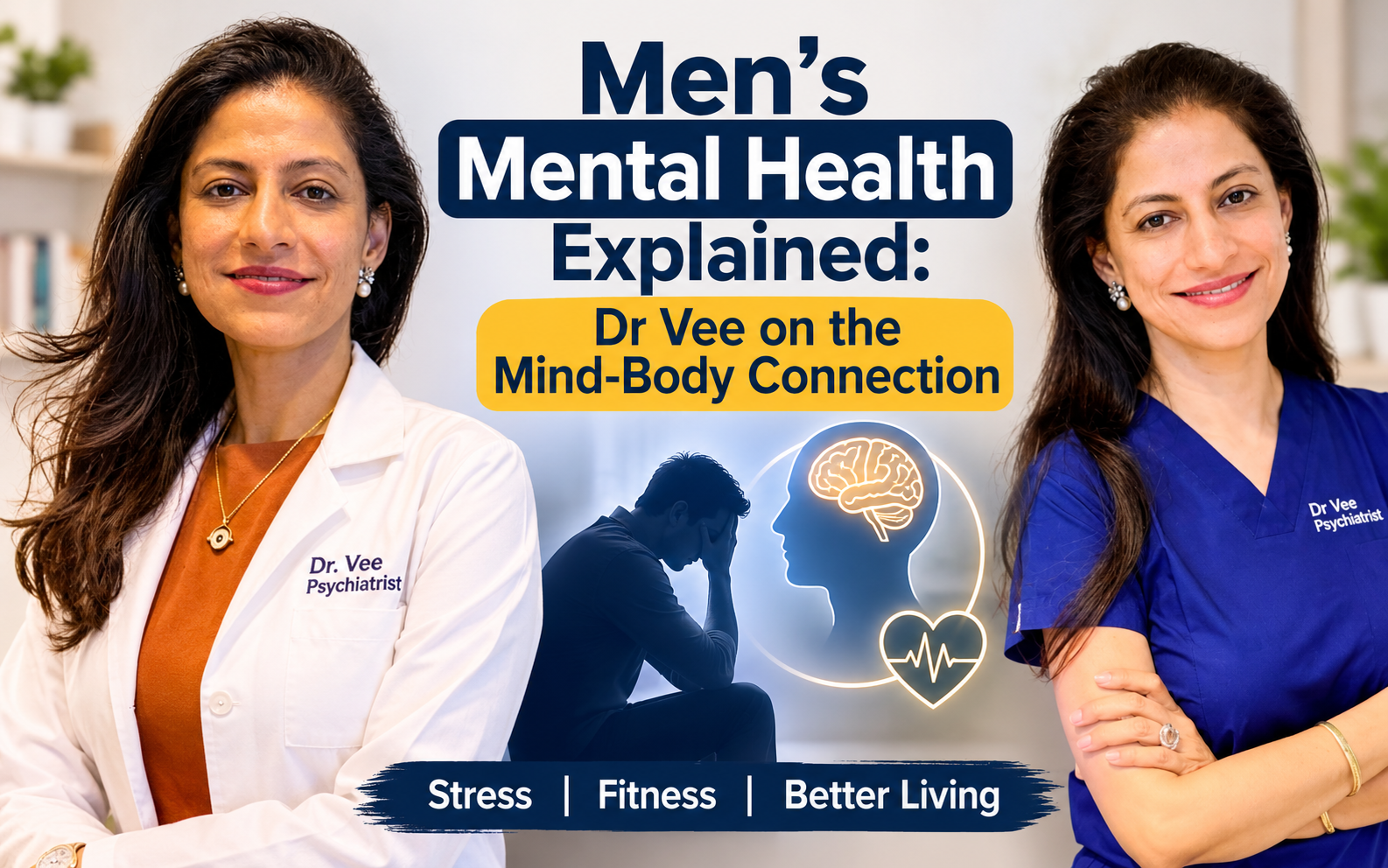
Men’s Mental Health: Dr Vee on Mind-Body Connection

Dr Vishakha Shivdasani, known as Dr Vee, is a medical doctor and a recognised voice in longevity medicine and metabolic health, with over 20 years of clinical experience in conditions like obesity, PCOS and type 2 diabetes. Through her platform @doctorvee and her bestselling book COVID and Post-COVID Recovery, she’s built a reputation for connecting the dots between emotional and physical health. Here, she breaks down why men’s mental health shows up differently, and what to actually do about it. What are the most common mental health challenges in men, and why do many hesitate to seek help?Men most commonly face depression, anxiety, burnout, substance use and chronic sleep disruption. The problem is, men often don’t recognise these as mental health issues. Depression in men frequently shows up as irritability, anger, fatigue, withdrawal or a reliance on alcohol rather than as sadness. The consequences are serious: men die by suicide at several times the rate of women, even though they seek help far less often. Many hesitate because they’ve been taught that vulnerability is weakness. In my practice, I see men who’ll see a doctor for a cholesterol number but stay silent about months of poor sleep, low mood or constant gut trouble. The body often says what the man won’t. How do work pressure, stress and societal expectations affect men’s emotional wellbeing?Men are often expected to be providers, problem-solvers and the strong ones. When that pressure never switches off, the body stays in a prolonged stress response. Elevated cortisol disrupts sleep, promotes abdominal fat, raises blood pressure and blood sugar, lowers testosterone, and alters the gut microbiome. This is the gut-brain axis at work: the gut produces most of the body’s serotonin, which is why chronic stress so often appears as acidity, bloating or irritable bowel symptoms alongside anxiety

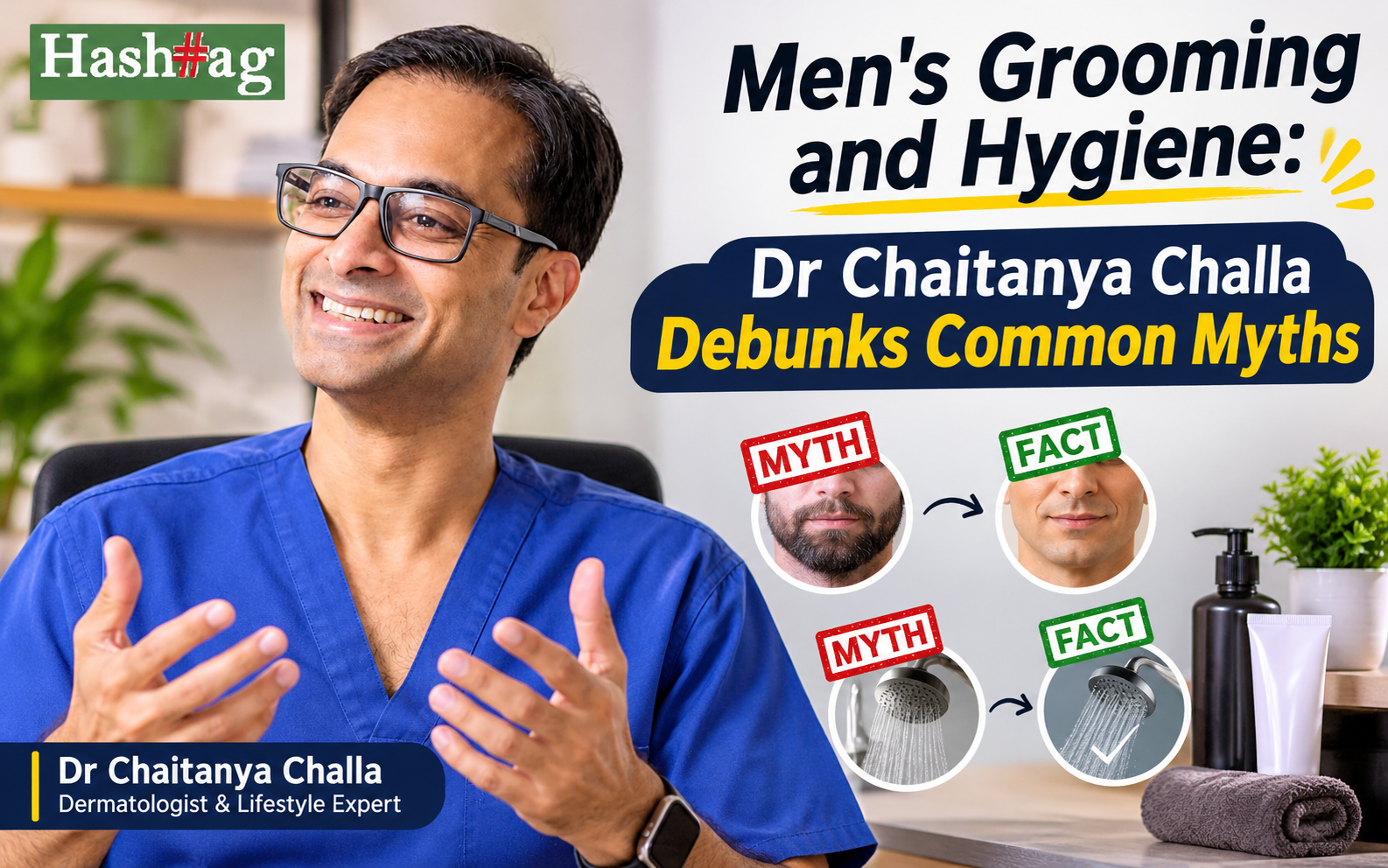
Men’s Grooming and Hygiene: Dr Chaitanya Challa Debunks Common Myths

Dr Chaitanya Challa is a Hyderabad-based physician specialising in Internal Medicine and Critical Care, with a focus on preventive healthcare and lifestyle-related disorders. He believes good health starts with everyday choices, including the ones men tend to overlook or get wrong. Here, he breaks down common hygiene mistakes, persistent myths and the essentials of a practical daily routine. Does sweating actually cause body odour, and what’s the risk of staying in sweaty clothes for too long?One of the most common mistakes is assuming that sweating itself causes body odour. Sweat is largely odourless; the smell develops when bacteria on the skin break down components of sweat. Areas like the underarms and groin are particularly prone to this. Staying in sweaty clothes for too long, especially after exercise, creates a warm, moist environment that encourages skin irritation and fungal infections. Men should change out of sweaty clothing, dry themselves thoroughly after bathing, and pay attention to areas where moisture accumulates. What should a basic daily grooming routine look like, including underarm and oral care?It doesn’t have to be complicated or expensive. Consistency matters far more than the number of products you use. Bathe regularly, paying attention to the underarms, groin, feet and other areas that accumulate sweat. Use a gentle cleanser, rinse thoroughly and dry properly, particularly between the toes and in skin folds. Change your underwear and socks daily, and change out of damp clothing after exercise. Underarm care also depends on choosing the right products. An antiperspirant helps reduce sweating, while a deodorant primarily controls odour. Choose what suits your needs and skin, and avoid applying fragranced products to irritated or freshly shaved skin. Oral hygiene deserves equal attention. Brush twice daily with fluoride toothpaste, clean between your teeth using floss or an interdental cleaner, and keep up with

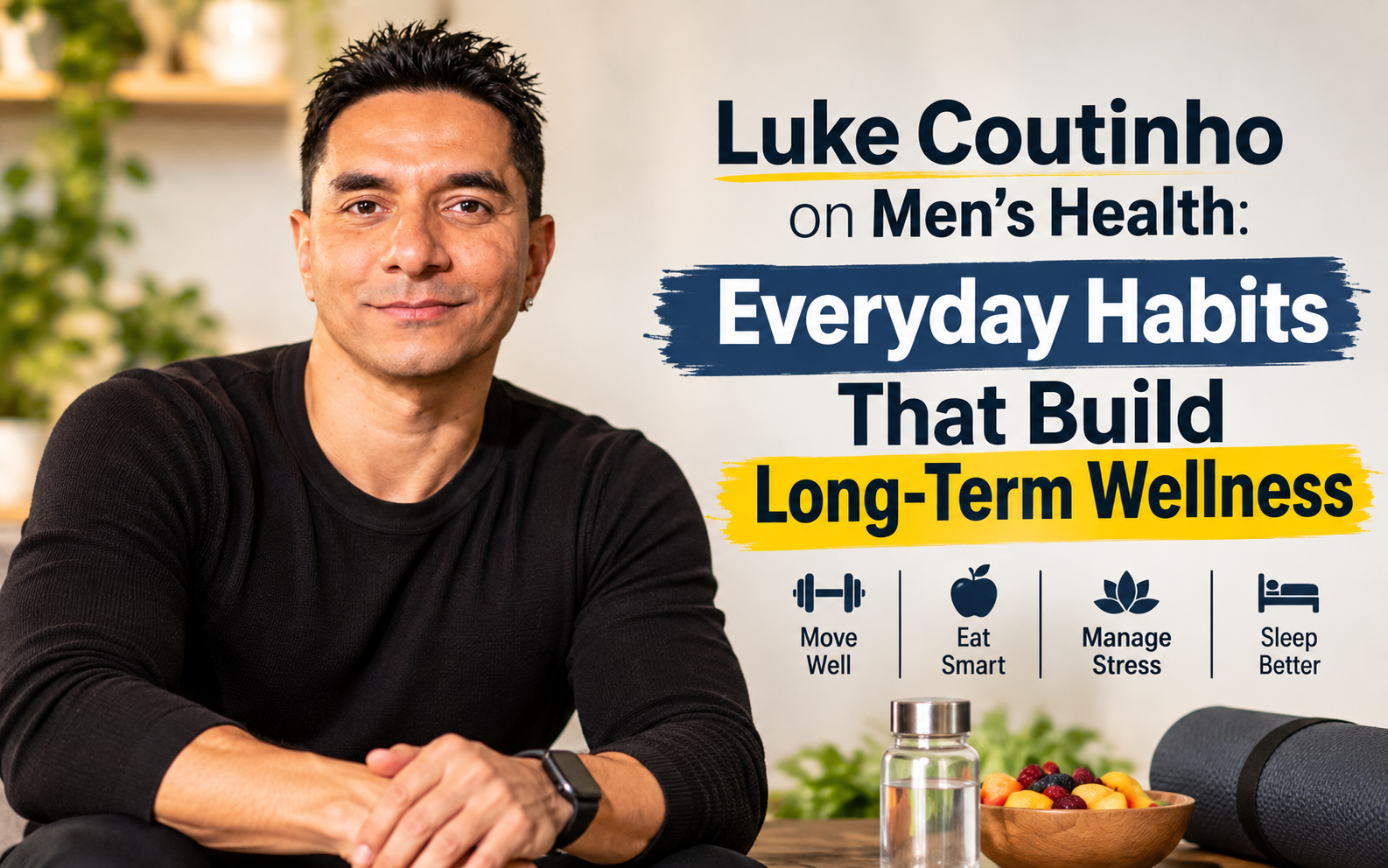
Luke Coutinho on Men’s Health: Everyday Habits That Build Long-Term Wellness

Luke Coutinho didn’t set out to become one of India’s most recognised voices in holistic health. He spent a decade at IBM, chasing a conventional corporate career, before a quiet realisation changed everything: the most successful people he knew, with access to the best doctors and trainers money could buy, still weren’t healthy. That gap between excellent medical care and the way people actually live became his life’s work. Fifteen years, a team of over 160, and thousands of patients later, his philosophy of Foundational Medicine and Lifestyle has become essential reading for anyone trying to understand why effort alone doesn’t always translate to health. His Journey From Goa to the corporate world I grew up in Goa in the late 90s and early 2000s. Like most young people, I went through different phases, and I think that’s how it should be. Each chapter teaches you something and leads you to the next. During college, I worked weekends at my cousin’s restaurant, waiting tables, helping in the kitchen and sometimes running the bar. It was hard work, but it taught me a lot about people and service. After college, I worked in hospitality before joining a multinational company that took me to Dubai, London and Qatar. When I returned to India, I spent 10 years at IBM. Throughout those years, nutrition remained a personal interest. I studied it out of curiosity, never imagining it would eventually become my career. The realisation that changed my approach to health My turning point came from what I saw in the corporate world. Many senior executives, people with impressive titles who travelled constantly, were neglecting their health. They had access to the best doctors, nutritionists, trainers and gyms. They could afford any superfood they wanted. And still, they weren’t healthy. That didn’t add up

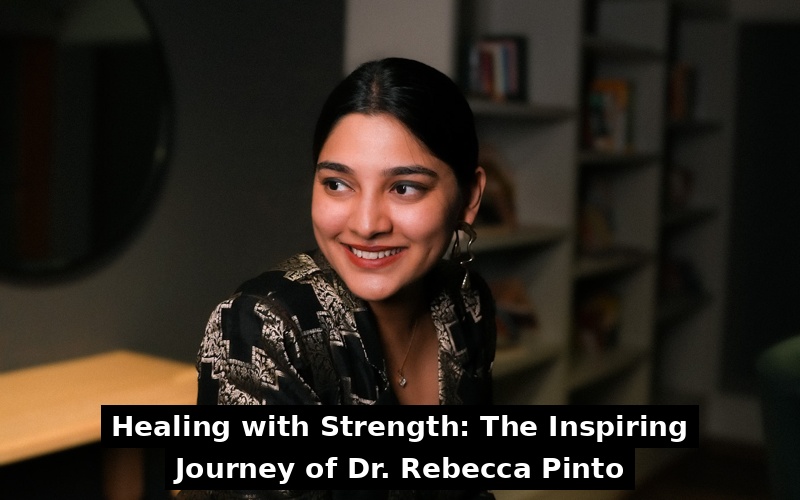
Healing with Strength: The Inspiring Journey of Dr. Rebecca Pinto

Based in Bangalore, Dr. Rebecca Pinto is a physiotherapist by qualification, but as she says, “My life has been shaped far more by experience than by textbooks.” Losing her mother at a young age, Rebecca grew up in a single-parent household with her father. Financial constraints were not abstract concepts; they were lived realities. “I saw what a lack of money really does, not just to your lifestyle, but to your peace, your choices, even your relationships,” she shares. That early exposure instilled two beliefs: financial independence creates freedom, but happiness remains a choice. Known among friends as vibrant and dependable, she describes herself as “caring, witty, and observant.” Her critics may call her detached, but she believes that detachment “has helped me survive more than anything else.” Health Beyond Information Today, Dr. Pinto wears multiple hats: physiotherapist, nutritionist, and content creator. But her mission extends beyond treatment plans. She challenges deeply ingrained habits. “When you understand health, you don’t just treat people, you change how they live,” she explains. Content creation began casually, a simple experiment. But the moment people began telling her, “This helped me,” the weight shifted. “That’s when it stopped being content and became responsibility.” For Rebecca, health isn’t about longevity alone. “It’s about living without constantly feeling tired, inflamed, or uncomfortable, which unfortunately has become normal.” Clarity Over Comfort In an industry flooded with trends, her voice stands out for its directness. “Most people don’t change because they lack information. They don’t change because no one has made them question their habits.” She positions herself deliberately between comfort and awareness. Her approach is simple, sometimes blunt, but always rooted in science. “If something is harming you, I’ll say it, even if it’s something you enjoy.” Her audience associates her with two defining qualities: clarity and

You May Also Like

Connect with us