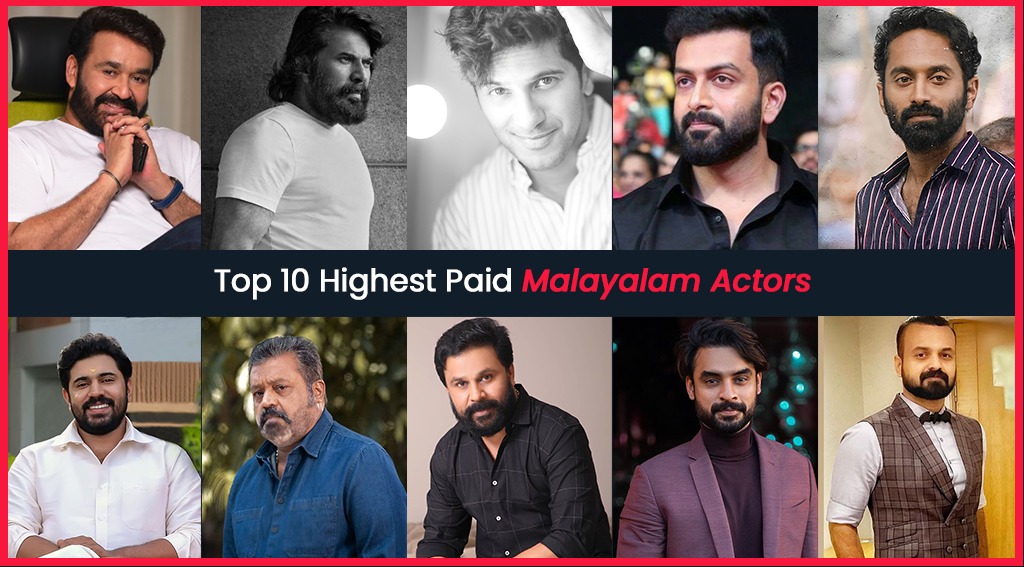
Malayalam cinema needs no special introduction. Recently, many films from this industry have set the cash registers ringing. Be it on OTT platforms or in the theatres, Malayalam films have fan bases worldwide, including those who do not speak the language. One primary reason films work is the actors starring in these films. Initially, only names like Mammootty and Mohanlal were super popular among the non-Malayali audience. But, thanks to good storylines of Malayalam films, names like Tovino Thomas, Jayasurya, Kunchako Boban, and other actors have come under the limelight. Hashtag lists the top 10 highest-paid Malayalam actors in the industry in 2022.
Read on to find out which actor is earning crores in the Malayalam film industry. Who do you think is the highest-paid Malayalam actor? Is your guess correct? Read to find out.
Top 10 Most Highest Paid Actors in Malayalam
1. Mohanlal
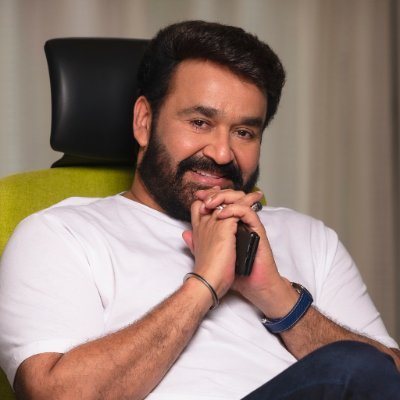
He began his career as a classic villain and has become a prominent Malayalam actor in Kerala. Mohanlal is, without a doubt, one of the best actors India has ever produced. His filmography is impressive, his comedic parts are unrivalled, and his distinct manner-of-speech delivery is effortless. Few performers can portray both severe and comedic roles with equal ease. He has been awarded the Padma Shri and the Padma Bhushan, the nation’s highest civilian distinctions. He has also received five National Film Awards, including Best Actor twice for Bharatham (1991) and Vanaprastham (1999), among a slew of other accolades.
Earnings: Rs. 8 crore – Rs. 17 crore per movie
2. Mammootty
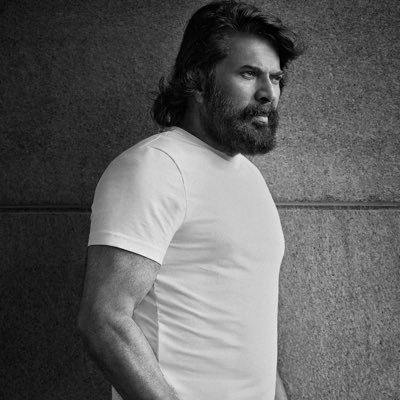
Mammootty, also known as Mammukka, had his first job as an extra (young artist) in Anubhavangal Paalichakal while still in college. Like Mohanlal, he rose to popularity and went on to act in over 350 films. Chamayangalillathe (without makeup), an autobiography serialised in Malayala Manorama weekly, was eventually published in 1992. It chronicles his life story from his birth to the book’s publication. This three-time National Award winner has a list of super hit films to his credit such as Peranbu, Kerala Varma Pazhassi Raja, Aa Rathri, Oru Vadakkan Veeragatha, Adiyozhukkukal, Aavanazhi, Mahanayam, Dhruvam, Vatsalyam, The King, and Paleri Manikyam. 3. Dulquer Salmaan Mammootty, also known as Mammukka, had his first job as an extra (young artist) in Anubhavangal Paalichakal while still in college. Like Mohanlal, he rose to popularity and went on to act in over 350 films. Chamayangalillathe (without makeup), an autobiography serialised in Malayala Manorama weekly, was eventually published in 1992. It chronicles his life story from his birth to the book’s publication. This three-time National Award winner has a list of super hit films to his credit such as Peranbu, Kerala Varma Pazhassi Raja, Aa Rathri, Oru Vadakkan Veeragatha, Adiyozhukkukal, Aavanazhi, Mahanayam, Dhruvam, Vatsalyam, The King, and Paleri Manikyam.
Earnings: Rs. 4 crores to Rs. 8.5 crore per movie
3. Dulquer Salmaan
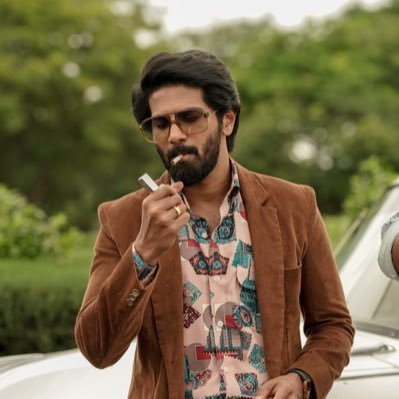
The son of Mammootty, Dulquer Salmaan, aka DQ, has acted in several Malayalam and Tamil films. He made his debut in Hindi with 2018’s Karwaan, alongside Mithila Palkar. He has proved his mettle as an actor in various languages by choosing unique scripts. Bangalore Days, directed by Anjali Menon starring Dulquer Salman and Nivin Pauly, was a blockbuster hit. His latest film Kurup released on Netflix and was received well by critics.
Earnings: Rs. 3 crore to Rs. 8 crore per movie
4. Prithviraj Sukumaran
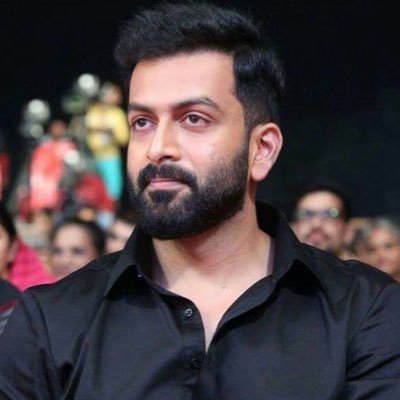
Prithviraj Sukumaran (nicknamed Prithviraj) is an Indian actor, playback singer, and producer who is best known for his work in Malayalam cinema. He has also appeared in films in Tamil, Telugu, and Hindi. He took part in various plays, skits, debates, and elocution competitions during his school years. Director Ranjith approached him to act in Nandanam in 2002. While in his second year of engineering, Prithviraj was flooded with other attractive film offers, so he chose to take a break from his studies. Some of his most famous films include Lucifer, Koode, Ezra, City of God, Urumi, Nandanam, The Thriller, Aiyyaa, Driving License, Memories, Entu Ninte Moideen, and Puthiya Mukham.
Earnings: Rs. 3 crore to Rs. 7 crore per movie
5. Fahadh Faasil
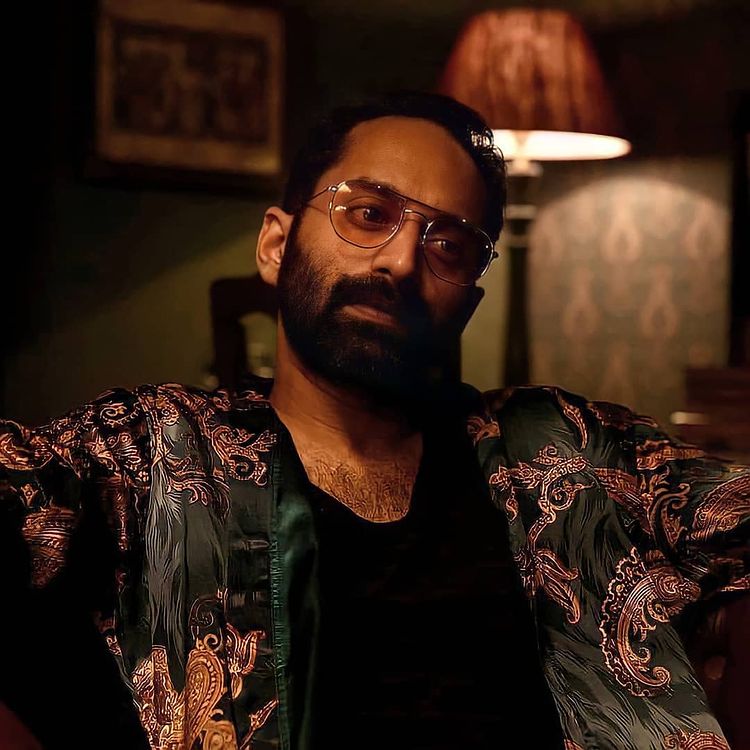
Fahadh made his acting debut at 19 in his father Fazil’s Kaiyethum Doorath (2002). After his debut’s failure, he relocated to the U.S, and Fahadh made his comeback after a six-year hiatus with the anthology film Kerala Cafe (2009). For his roles in Artist and North 24 Kaatham, he received the Kerala State Film Award for Best Actor and Second Best Actor. Chaappa Kurishu, Diamond Necklace, 22 Female Kottayam, Amen, Artist, Annayum Rasoolum, North 24 Kaatham, Bangalore Days, and Iyobinte Pusthakam are some of his significant flicks.
Earnings: Rs. 3.5 crore to Rs. 6 crore per movie
6. Nivin Pauly

Regarded as a Malayalam film superstar, Nivin Pauly has had a good run for seven years. Rajesh Khanna, M.G. Ramachandran, Kamal Haasan, Mammootty, and Mohanlal were his childhood heroes. In 2003, while still in college, he appeared in a local album called Olive. Nivin first appeared on the big screen in Vineeth Srinivasan’s film Malarvadi Arts Club (2010). His subsequent films’ on screen performances earned him the title of the most promising young debutant. Because of his movies’ box office success, such as Neram, 1983, Om Shanthi Oshana, Bangalore Days, Oru Vadakkan Selfie, Premam, Action Hero Biju, and Jacobinte Swargarajyam, he quickly became the most sought after young superstar in the Malayalam film industry by 2015. For his roles in Bangalore Days and 1983, Nivin Pauly earned the 45th Kerala State Film Award for Best Actor in 2015.
Earnings: Rs. 3 crore to Rs. 6 crore per movie
7. Suresh Gopi
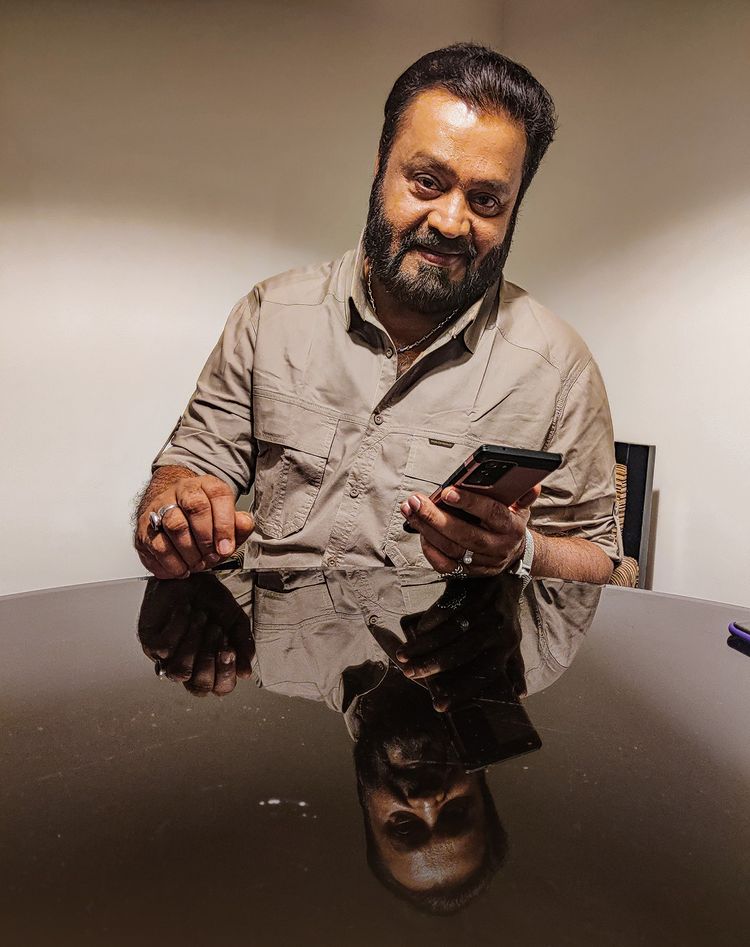
Suresh Gopi made his maiden film appearance as a child artist in Odayil Ninnu (1965). He became famous for playing the “angry officer” part in many action films, but he stopped because of the negative impact on young people. For The Play of God (1997), he earned the State and National Award for Best Actor and the State Award for Producer in 1999. “I am Bharathchandran IPS. Just remember that!” – A memorable dialogue written by Ranji Panicker for the film Commissioner, directed by Shahi Kailua and released in 1994, made Gopi a box office success. It cemented his reputation as a leading figure in Malayalam film. His work in The Play of God (1997), Commissioner (1994), and its sequel, Bharathchandran I.P.S (2005), was widely appreciated.
Earnings: Rs. 1 crore to Rs. 3 crore per movie
8. Dileep Gopalakrishnan

Dileep, a famous Malayalam film actor known for Thilakkam (2003), Sound Thoma (2013), and Kunjikkoonan (2002), is also a producer. He has worked as a mimicry artist and an assistant director in the past. After his major break in Maanatha Kottarathil, he jumped to acting full time. With the support of his brother and right-hand man, Anoop, he founded his production firm, Grand Productions. He regularly works with filmmakers Joshiy, Lal Jose, Rafi, and Mecartin.
Earnings: Rs. 3 crore per movie
9. Tovino Thomas

Tovino first appeared on the big screen in Sajeevan Anthikad’s Malayalam film Prabhuvinte Makkal (2012). His subsequent cinematic performances in ABCD (2013), 7th Day (2014), Ennu Ninte Moideen (2015), and Charlie (2015) cemented his reputation as one of the most promising actors. He received critical acclaim for his performance in the film Guppy (2016), in which he played a significant part. His subsequent flicks, Oru Mexican Aparatha (2017) and Godha (2017) were box office smashes in Mollywood. His latest film on Netflix, Minnal Murali, was widely appreciated by critics and viewers alike.
Earnings: Rs. 1.5 crore to Rs. 3 crore
10. Kunchako Boban
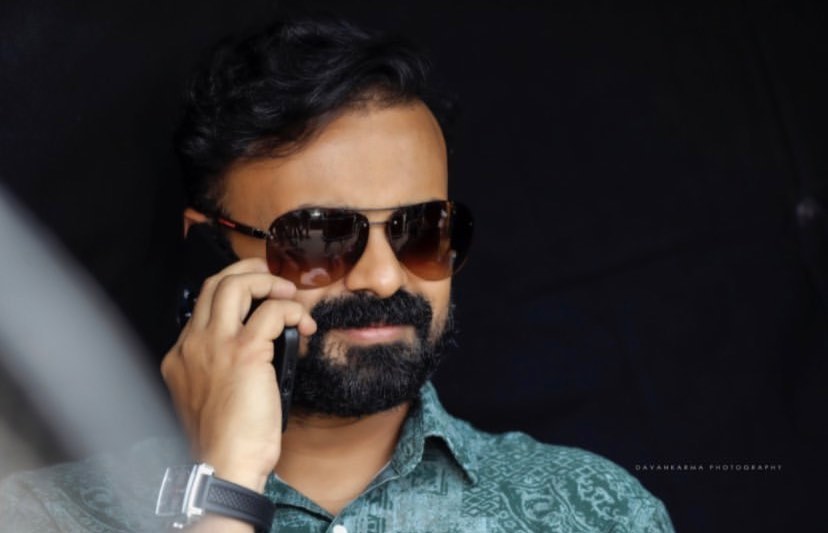
Kunchacko Boban, commonly known as Chackochan, is a Malayalam film actor and producer in over 90 films. He is the grandson of Udaya Studios’ founder, famed film producer Kunchacko. With his debut film Aniyathipraavu (1997), co-starring Shalini, he was introduced into the Malayalam film industry by director Fazil. The film was the highest-grossing Malayalam film at the time. The Kerala State Film Award is a major accolade to his credit.
The Malayalam film industry is increasing its standards every day by bringing out films that strike a chord with the audience. Stars such as Tovino Thomas, Dulquer Salmaan, and Nivin Pauly have etched a place in the audience’s hearts with every film they are a part of. We are excited to watch what Malayalam cinema has to offer in 2022.
Earnings: Rs. 1.5 crore per movie