Heritage meets Innovation

Lipsa Hembram, a visionary fashion designer, has devoted herself to preserving the exquisite Santal tribal sarees. Galang Gabaan, her label established in Bhubaneswar in 2014, was born out of her mother’s dissatisfaction with the designs and textures of traditional sarees. Hembram embraces a contemporary approach, showcasing modern Santal sarees crafted from cotton, linen, and silk. Surabhi Goel in conversation with Lipsa Hembram, who talks about the journey of Galang Gabaan.

Having grown up in the Santhal tribe of Dandbose village, Mayurbhanj district, Odisha, Lipsa witnessed her family adorning the Santhali traditional dress during festive occasions and gatherings. However, during her tenure at the National Institute of Fashion Technology, Hyderabad, she truly grasped the cultural significance of this attire, immersing herself in the world of fashion.
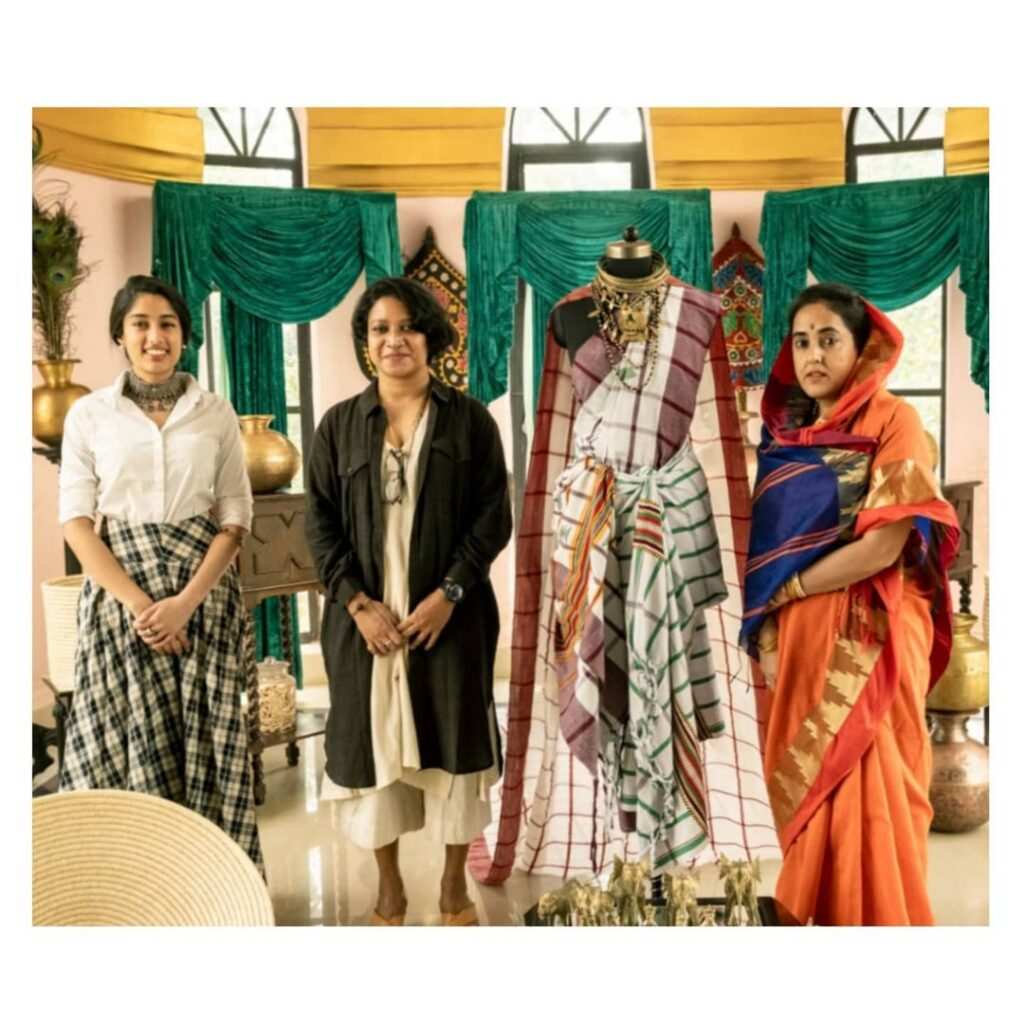
Lipsa Hembram’s journey as a designer is driven by her deep-rooted connection to the Santhal tribe and her passion for preserving their rich heritage. Through Galang Gabaan, she merges tradition with modernity, ensuring that the beauty and cultural significance of Santal tribal sarees continues to captivate and inspire generations.

Challenging conventions, Hembram chose her mother and aunt as models, proudly adorning the iconic red and white chequered drapes in promotional images. Today, Galang Gabaan, based in Bhubaneswar, captivates patrons nationwide with its stunning collection.

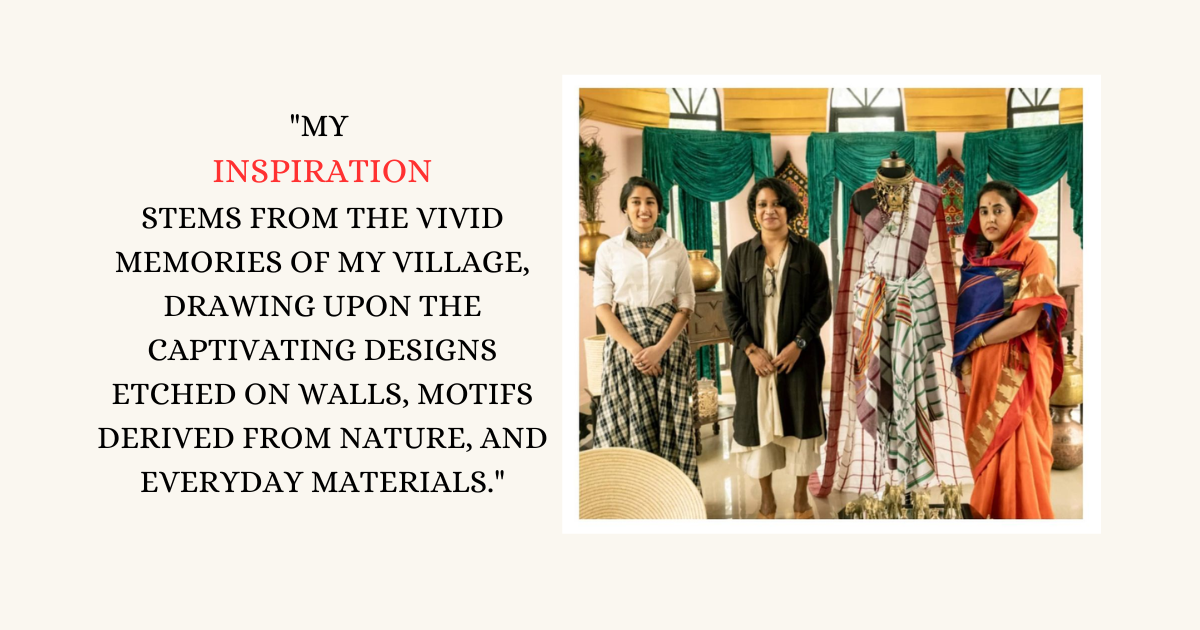
As the maverick behind Galang Gabaan proclaims, “My inspiration stems from the vivid memories of my village, drawing upon the captivating designs etched on walls, motifs derived from nature, and everyday materials. To maintain their uniqueness, I create limited editions that transcend the notion of a uniform and become cherished pieces of art, infused with all my love and passion.” While exploring the history of Santal costumes, she discovered a scarcity of photographic evidence and research. Most of her knowledge is derived from the older generation’s memories and stories. She says, “As I delved deeper, I made it my mission to translate these cherished memories into the designs of the sarees I create.”

Galang Gabaan prioritizes using natural materials and strives to sustain the traditional design sensibility of Santal sarees amid their recent evolution in colour combinations and motifs. Lipsa’s ongoing efforts aim to ensure that the essence and authenticity of Santal sarees remain intact while incorporating contemporary elements that resonate with modern tastes.
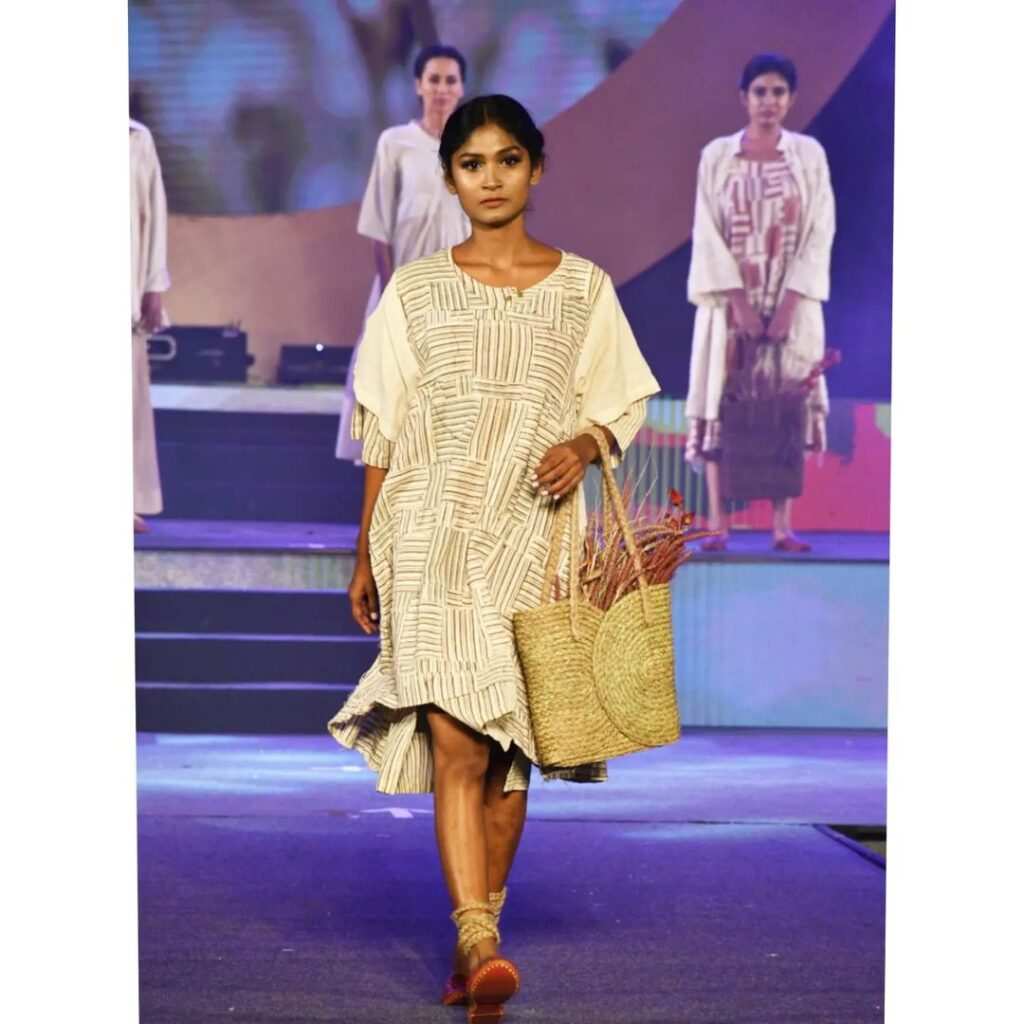
The designer’s plans revolve around staying true to her ideology and continuing her efforts in preserving and promoting the culture. She expresses her commitment to creating designs that resonate with the world and serve as a means of initiating conversations about their rich heritage.

  1. What is your favourite outfit that is comfortable at work?

In terms of attire at my workplace, I gravitate towards loose, breathable garments, particularly those made of cotton. Cotton fabric is my preferred choice due to its comfort and versatility.

  1.  When you are not designing, what do you love to do?

When I am not designing, I find immense joy in indulging myself in the world of movies. They have a transformative effect on my state of mind, uplifting my mood and serving as stress busters.

  1. Which non-professional activities give you satisfaction and enjoyment?

Trekking is my greatest escape, providing immense satisfaction and enjoyment.

  1. Which trekking trip holds the most memorable experience for you?

The most unforgettable trekking experience for me was the Chopta Chandrashila trek in Uttarakhand, where I had a spine-chilling moment that made me feel as if I had come close to losing my life.

  1. One thing that you cannot miss at work?

One thing I absolutely cannot miss at work is staying organized. I rely on my trusty notebook and pen to meticulously plan out my daily tasks, ensuring everything has its place on my work desk.

Leave a comment

Your email address will not be published. Required fields are marked *

The Rise of the New Gen at Lakmē Fashion Week 2025

A new wave of designers is redefining the landscape of Indian fashion one that values purpose as much as aesthetics. At Lakmē Fashion Week x FDCI’s GenNext 2025, presented by NIF Global, we recently saw emerging talents that are fusing storytelling, sustainability, and cultural heritage to craft a more conscious, expressive future for design. Hashtag Magazine spotlights the rising stars who are weaving purpose into every thread the designers shaping not just what we wear, but why we wear it. This year’s GenNext 2025 cohort proves that the next generation isn’t just creating clothes they’re crafting conversations. From denim rebirths and handcrafted heritage to poetic sustainability and textile innovation, these visionaries are transforming Indian fashion into an art form rooted in authenticity, emotion, and soul. 1. Designer: Anam Hussain Label: Anam HussainCollection: Cut-PutlyUSP: A conceptual, sustainable exploration of empowerment through design. Inspired by Rajasthan’s Kathputlis the puppets that dance between control and liberation Anam Hussain’s Cut-Putly examines power, agency, and freedom through geometry and form. Structured, angular silhouettes represent restraint, while oversized shapes express release and individuality. The collection’s strength lies in its sustainability: over 1,000 kilograms of post-consumer denim waste was transformed through patchwork, crocheting, and hand-weaving into sculptural garments that balance grit with grace. For Hussain, waste isn’t discarded matter it’s creative potential. With hints of crochet handbags and accessories in development, Cut-Putly sets the tone for a label that is as thoughtful as it is experimental. 2. Designer: Mohammed Anas Sheikh Label: 23°N 69°ECollection: Unnamed (Kachchh-Inspired)USP: A poetic revival of Kachchh’s indigenous craft, rooted in minimalism and authenticity. Mohammed Anas Sheikh’s collection celebrates Kachchh’s artisanal spirit weaving its heritage into modern silhouettes that exude quiet strength. Centered around Kala cotton, a rain-fed indigenous fibre, his pieces highlight broken Ajrakh block prints, mirror work embroidery, and hand-dyed hues

Latest Festive Fashion Trends In India

Intro: The smell of marigold flowers, the glow of diyas, the happy noise of families coming together. India’s festive season is here again, and with it comes the excitement of dressing up. Clothes are not just clothes during festivals; they are part of the celebration itself. This year’s festive fashion is a mix of tradition and modern style. From sarees to lehengas, from bold jewellery to subtle embroidery, here’s what is trending in 2025. 1. Sarees with a twist The saree is timeless. But this year, designers are giving it new life. Pre-draped sarees, gown-style sarees, and double-pallu drapes are everywhere. Designer Anamika Khanna is renowned for her dramatic draping styles, which add movement and glamour. Stars like Deepika Padukone and Kiara Advani have been wearing sarees with bold pleats, sculpted borders, and fresh silhouettes. It’s the same saree we love but reimagined for today. 2. Mix and Match Festive Separates Gone are the days of sticking to one complete set of a lehenga or a sari. Now people are mixing and matching. Heavy skirts are paired with light blouses or embroidered jackets, often accompanied by plain shararas. 3. Colours that surprise Traditional festivals’ colours like red, maroon, and gold are still there, but 2025 is experimenting. Soft tones like sage green, dusty mauve, teal, and ochre are shining this year. At Diwali parties, many celebs wore gold tissue sarees that looked festive yet classy. For Navaratri, green became the star colour, especially on the day dedicated to Goddess Skanda Mata. 4. Craft Revival and Sustainable Touch This year, old crafts are making a comeback in new and innovative ways. Hand embroidery, block prints, and vintage fabrics are being reused to create stunning outfits. Designer Mayyur Girotra even created a lehenga from five old brocade sarees, proving that fashion can

The Fashion Maestro: Exclusive Interview with Manish Malhotra On Bridal Trends

Hashtag Magazine brings you an exclusive interview with the legendary MANISH MALHOTRA, India’s most celebrated fashion designer. From redefining Bollywood glamour to shaping global couture, he opens up about his creative journey, inspirations, and the evolving world of fashion in 2025, offering rare insights into his iconic legacy. How are you making your signature bridal style more accessible to younger or more experimental brides while keeping that Manish Malhotra charm? You know, brides today are really fearless. They love their traditions, of course, but they also want to bring in their own personality, and I think that’s beautiful. For me, it’s about giving them the grandeur they’ve come to expect from a Manish Malhotra bridal look, but doing it in a way that feels fresh. That could mean innovative construction, modern silhouettes, or just a more effortless styling. The glamour will always be there, it’s just evolved. Sometimes it’s through a sharper corset, sometimes through a softer drape, but the magic is always alive. What are the top three bridal trends you see ruling weddings in 2025? So, first, I think it’s about layering. Whether it’s a signature head veil or even a cape, it allows a bride to really play with her look across different celebrations. It’s about showcasing unique embroidery or luxurious fabrics that can be styled in multiple ways. Then second, I’ve been loving crystal drapes, they bring in this beautiful sensuality and shimmer. It’s glamorous without trying too hard. And third, statement blouses – brides today are embracing unique necklines, dramatic sleeves, and corsetry to make the blouse the highlight. Which colours are defining the Manish Malhotra bridal palette this season? This season, I have been drawn to deep, decadent tones such as rich maroons, soft almond shades, old rose, and metallics that never go out

Festive Glamour Jewellery in India

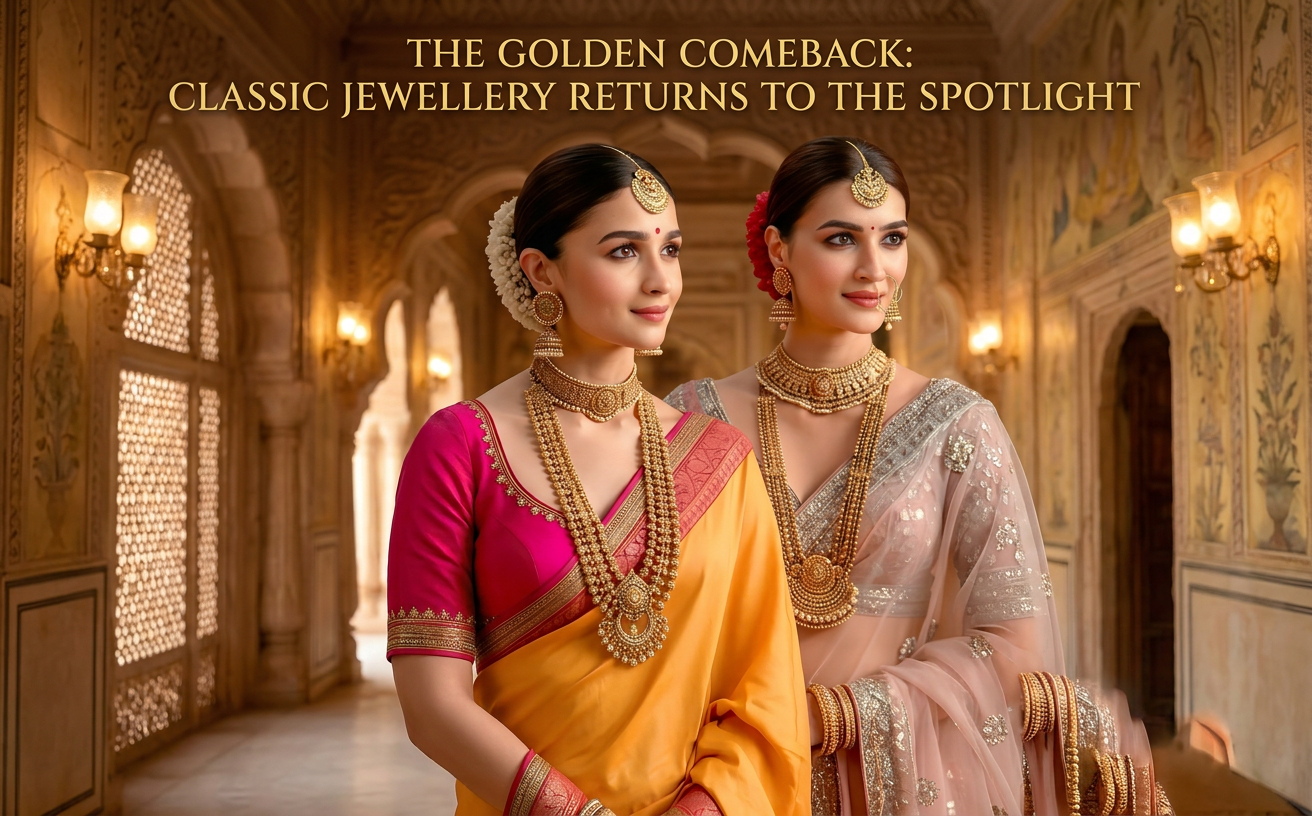
Vijay Soni leads Mahabir Danwar Jewellers with a vision that marries heritage with futuristic design. His sculptural, rhythm-infused pieces reflect a deep commitment to creativity and craftsmanship. 1.Statement ChokersFestive dressing calls for dramatic elegance, and nothing speaks louder than a regal choker. Pair handcrafted Jadau chokers with uncut Polki diamonds or Meenakari work for a deep neckline or classic sarees to add grandeur and heritage charm to both traditional and fusion attire. 2.Dangler Earrings Long, fluid danglers are the ultimate festive essential, effortlessly blending tradition with trend. Wear them with updos or minimal necklines to let the earrings shine perfect for temple ceremonies or evening celebrations. 3.Layered Necklaces A mix of textures, lengths, and styles defines this layered look. Style long gold necklaces, Polki strands, and colourful gemstone pieces with festive silks or cocktail ensembles to create a lush, curated aesthetic that stands out. 4.Diamond Bangles, Kadas & Bracelets Stack slim diamond bangles or kadas in white and rose gold for a modern, festive edge. Pair them with lehengas, shararas, or gowns, or wear a single chunky bracelet for bold, standalone sparkle. 5.Statement Rings From brilliant-cut diamonds to ornate Polki and Jadau designs, statement rings add instant drama. Let them shine by keeping other jewellery minimal ideal for cocktail evenings or traditional festivities. With over two decades of experience in jewellery export, Mr. Abhishek Kajaria founded Avama Jewellers in 2017. His brand stands on innovation and craftsmanship, bringing timeless glamour to fine jewellery in India. 1.Statement Earrings: Bold and Beautiful Nothing says festive like bold earrings. From oversized hoops to chandeliers, they instantly elevate your look. The pair above, crafted in 18kt white gold and diamonds, adds just the right touch of glamour. 2.Layered Necklaces: Effortless Elegance Layered necklaces bring versatility and grace to any traditional outfit. The 22kt gold

You May Also Like

Connect with us