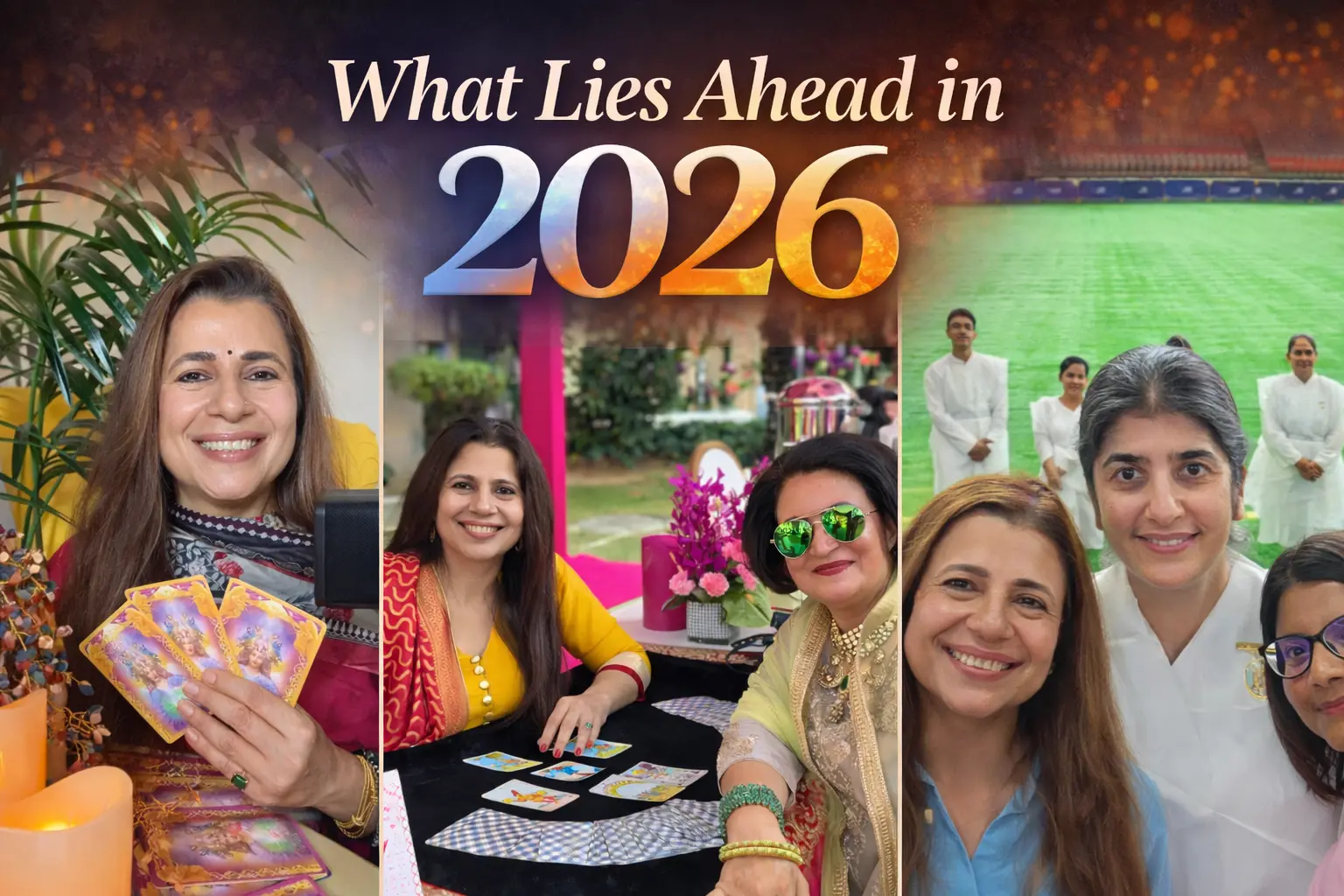
Mehak Walia in conversation with Shreya Kaul, a counselling psychologist, and Narrative Therapy Practitioner along with talented and experienced tattoo artists, Tushar Nath, Mannat Sood, and Karan Singh.
Tattoos have long been recognized as a form of self-expression and artistry, but their potential therapeutic benefits are now garnering increasing attention. Beyond their aesthetic appeal, tattoos are being explored as a means to help people cope with and heal from traumatic experiences. The act of transforming pain into permanent art on the body has proven to be a powerful process for individuals seeking emotional release and personal transformation. In this article, we delve into the growing phenomenon of therapeutic tattoos and explore their potential to assist in the healing journey. Tattoos can aid in healing by enabling individuals to reclaim their narratives. Traumatic experiences often leave emotional scars that can be difficult to overcome. By choosing to have those scars etched into their skin as symbols of strength, resilience, or growth, individuals regain control over their stories. Tattoos provide a tangible representation of personal journeys, allowing individuals to create a narrative that helps them make sense of their experiences and find empowerment.
But, do tattoos have psychological advantages? To learn more about this, we spoke to Shreya Kaul (She/her), a counselling psychologist and Narrative Therapy Practitioner whose therapy is based on a queer affirmative, inclusive, feminist, and trauma-informed approach. She strongly believes that “self-expression is one of the biggest advantages of getting a tattoo. It’s a creative form of expression that comes from a state of permanence and autonomy. Tattoos can help people. For so many of my clients, tattoos are ways of saying things they might not be able to say easily. To express love. It’s also such a space for creativity. For those who make them and get them both. For people who get tattoos, their body acts as a canvas on which they have full control. I have tattoos that celebrate me and some connections I’ve made with people, too.”
While talking further, about the psychological advantages of tattoos, she said, “I’ve heard of cases where tattoos have been made to cover scars and offer empowerment to those who’ve gotten it done. It can be used to affirm certain actions we’ve taken. So many people get meaningful quotes done, which have special affirming meaning in their life. A reminder of sorts. It also offers a sense of control to a lot of people. Some people claim that tattoos could almost be a healthy and safe way to positively express urges of self-harm. But not a lot of research has been done on this, as of yet.”
This creative growth is often hindered by the stigma that people in society attach to tattoos as well as tattooed individuals. While discussing about this stigma associated with tattoos, she explained, “I think the stigma attached to tattoo making is unnecessary. It’s one of the oldest art forms and for some communities is paramount to their culture. There is an association that has been made for individuals with tattoos to be a certain type of way – mostly negative. This has been perpetuated by pop culture as well. Mostly portraying negative characters as those with tattoos, can add to the stigma. But at the end of the day, it boils down to – everyone’s body is their own, and they have every right to use it the way they want to express whatever they want.”
To understand the world of tattoos and their advantages, we also spoke to experienced tattoo artists who have been tattooing clients for years now.


Karan Singh, the founder of Tempt Ink Tattoo Studio and a skilled tattoo artist who has been pursuing his passion for transforming bodies into living canvases since 2017 strongly believes that “Tattoos can serve as a form of self-expression, allowing people to communicate their beliefs, values, memories, or personal stories through art. It can be a way to celebrate one’s identity or to commemorate a significant event or milestone in life. Isn’t that beautiful?”
He further added, “You see, it’s all about emotional connection through art. Some people get their parents’ names which they love the most, this makes them feel like they are always with them, wherever they go which is beautiful. This is why, we always tell our clients that whatever you get, just make sure it connects to your life till your death because it can change your life for the better.”
While talking about people who attach a layer of stigma to getting tattooed, he said, “I would like to emphasize the importance of embracing diversity and respecting personal choices. Tattoos are form of self-expression and art that hold deep meaning for individuals who choose to adorn their bodies with them. It’s essential to recognize that judgments based on appearance, including tattoos, can perpetuate stereotypes and hinder understanding. Tattoos do not define a person’s character, abilities, or worth. They are simply one aspect of a person’s self-expression and should not be used as a basis for judgment or discrimination.”
Meanwhile, Mannat Sood, the founder of Art By The Gods which is her independent studio, who has been bringing clients’ visions to life with her tattooing skills for 4 years now, strongly believes that “We live in a world where every single individual that you come across is looking to express. There are different expressions and there are different ways of expressing. Tattoos help individuals who choose to express their thoughts in the hope that it remains safe and engraved for eternity. Those who want to feel some sort of permanency in the ever-changing and temporary setup of life. On some other days, tattoos can also just help individuals to simply feel cool and I don’t think there’s anything wrong with that, either.”
She further urged people to, “Take your time with the whole process, understand the culture, and understand what it means to appreciate art, do your research, and then, just go for it. You see, just being able to get tattoos is an advantage of life itself that every person should take up at least once in their lifetime, according to me.”


While discussing the people who attach a stigma to tattoos, she smiled and politely said, “As much as I try to understand the place they are coming from since tattoos are linked with notoriety in several cultures over the centuries, the existence of such people at this time and age is just funny to me. But I’ll just say because of such people we get to be the cool rebels of the society so please, by all means, keep existing. You know you are a hot topic if you have tattoos because everybody knows it takes up a lot of courage to do what you want to do without caring what others might think of it. So for all the stigma makers and haters, please exist because your judgment only fuels us and we’re having way too much fun being the cooler ones on the planet, anyway.”
Whereas, Tushar Nath, one of the esteemed artists at Inkinn Tattoo Studio, who has been tattooing for about a year and a half now, strongly believes that, “tattoos are an incredible way to express yourself. Your thoughts and feelings are all kept on your body, and it acts as a diary to see how you’ve evolved. I feel like getting a tattoo is a therapeutic experience overall. It gives the client a person to talk to, a release through pain in a way and it allows them to express themselves in ways they aren’t often able to do.”
He further added, “In many other situations, getting tattoos also serves as a way to get over traumatic or painful memories, by reclaiming our bodies. A final way in which it helps is through memorial tattoos, having something to remember a loved one by permanently ends up being quite healing for them.”


While discussing about the people who attach a layer of stigma to getting tattooed, he said, “To such people, I’d say that they need to start considering tattoos to be another form of art. We adorn so many things with art, so why not our bodies? At the end of the day, it’s just a way to express ourselves and one shouldn’t judge that!”
Tattoos are increasingly being recognized as a powerful medium for healing and self-expression. By transforming trauma into art, individuals can take control of their narratives, release emotions, and symbolize personal growth. While therapeutic tattoos may not be suitable for everyone, they offer a unique path for individuals seeking to heal from traumatic experiences. As the intersection between art and therapy continues to evolve, tattoos provide a tangible and lasting testament to the strength and resilience of the human spirit. After all, if they are helping people, who are we to comment on that? Let’s just learn to appreciate this beautiful art form and let it flourish.