Wedding Vows During a Pandemic

Weddings have changed with the onset of COVID-19 and have now become more intimate and family-oriented affairs as opposed to the Big Fat Indian weddings we were earlier known for. Bindu Gopal Rao takes us through some of the celebrity weddings that have taken place this year and have set a benchmark for new age weddings in the post-pandemic times. Here are some of the new trends.
Intimate Weddings

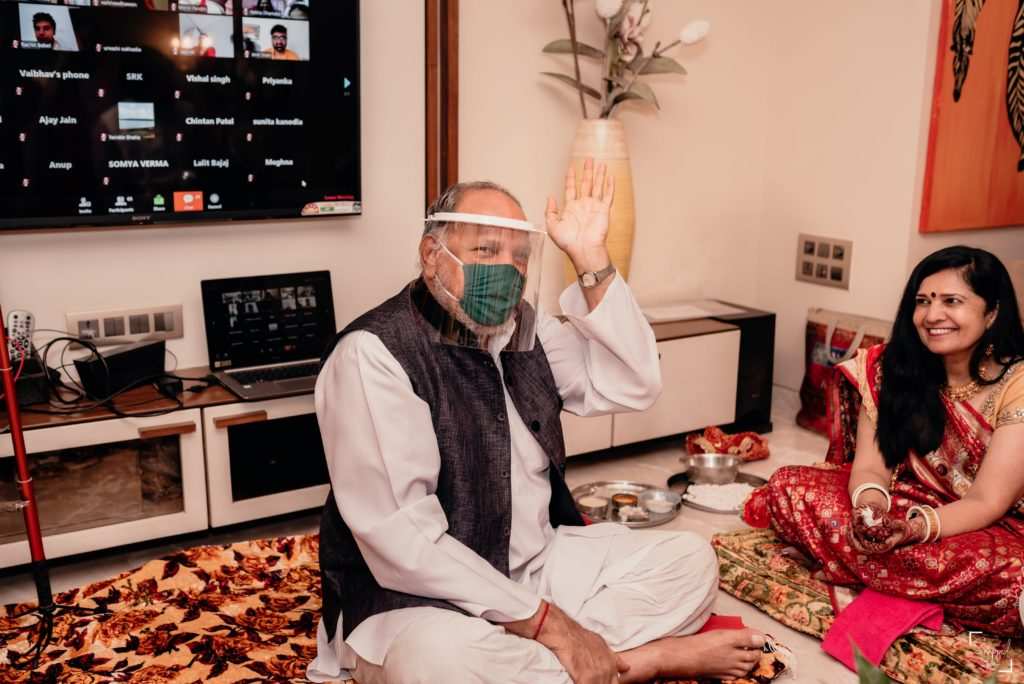
“Weddings have been a silver lining in these trying times. While we can no longer sustain the Big Fat Indian wedding format – the market has adapted very quickly to the micro weddings format. Due to the restrictions in the number of guests to 50 earlier and now 200, we are seeing the gatherings become smaller, more intimate and meaningful for the couple and their families. We are seeing more destination weddings and hotel buyouts due to the limitation on the number of guests,” says Jayant Singh, Managing Partner, Treehouse Hotels, a hotel management company. From a financial perspective, most of the hotels are sustaining their expenses because of weddings and social functions. Although the gatherings have become smaller, the numbers of weddings taking place in hotels have increased. “We have seen a reduction in the average billing of a wedding by at least 40%, but as the number of wedding enquiries has gone up, we have seen a boost in volumes to sustain revenues,” adds Singh.

Trend Check

Guests are looking for larger resort-like venues even though the gathering is smaller. The reason behind this choice is the safety and social distancing aspects. Today, everyone wants to be doubly sure of the safety and hygiene in a hotel and while almost all hotels are following safety protocols, resorts give the added advantage of space, and are hence better options. 

“As the guest lists are more restricted, people now have the budget to upgrade their wedding to a resort, and in turn make it more memorable. Earlier, when there was a wedding in our hotel, there used to be an equal number of in-house guests and non-resident guests or invitees who were not staying with us. But nowadays we only have in-house guests from both the families. Families prefer booking the entire resort to ensure there are no guests besides their own invitees, shares Singh. 

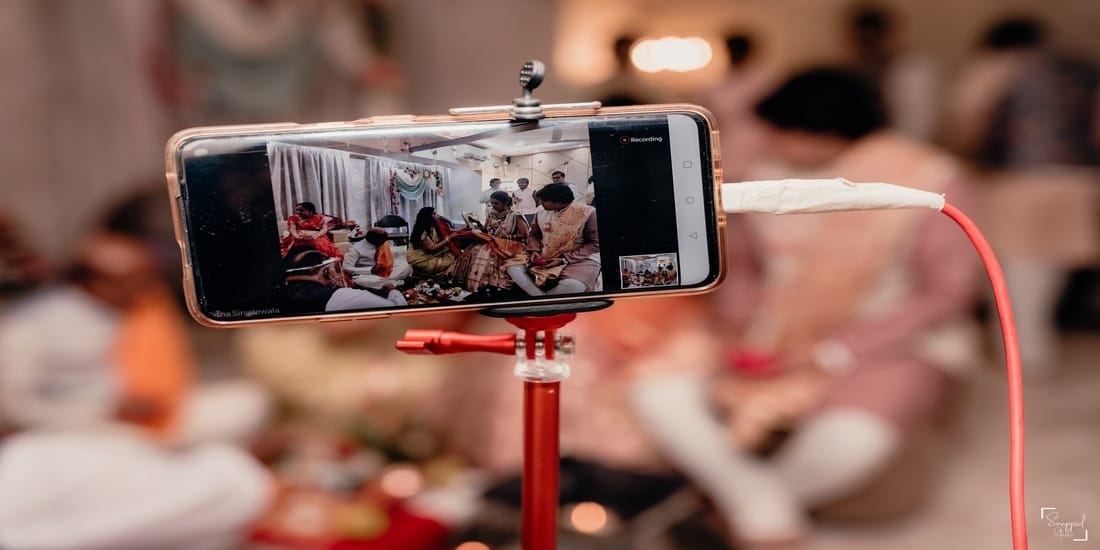
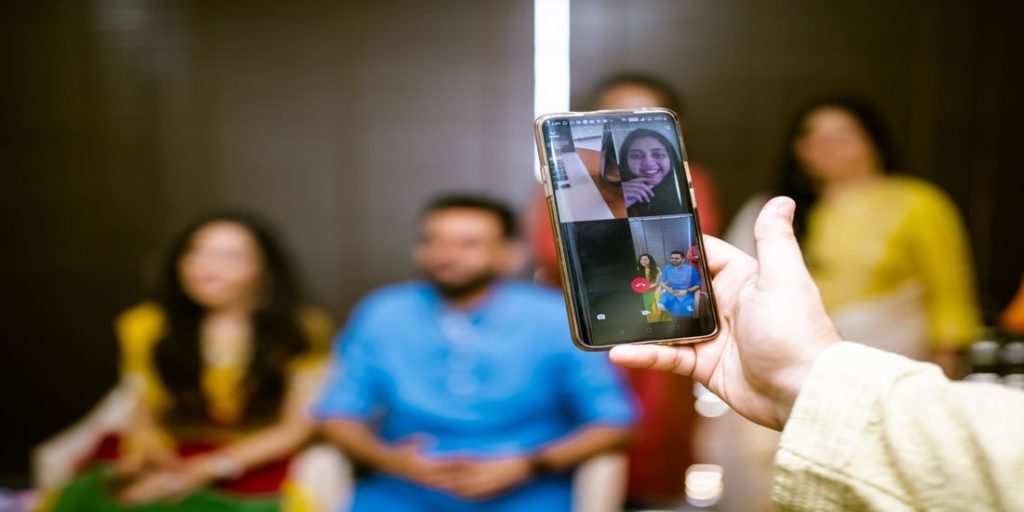
Even pre-wedding shoots are happening remotely. “We started Facetime photoshoots just as an experiment, but a lot of people got intrigued by it. It is a time-consuming process but amid a pandemic, sitting in the comfort of your own home, you are getting to make memories while social distancing is maximised. We evem get queries for Facetime photoshoots from overseas, but due to a tight time schedule we could only take up a few bookings,” says Himanshu Sharma, Founder at Wedding Matinee.

Weddings have been a silver lining in these trying times. And while the Big Fat Indian wedding format is no longer sustainable, people are now opting for the micro weddings format.

Covid Concerns

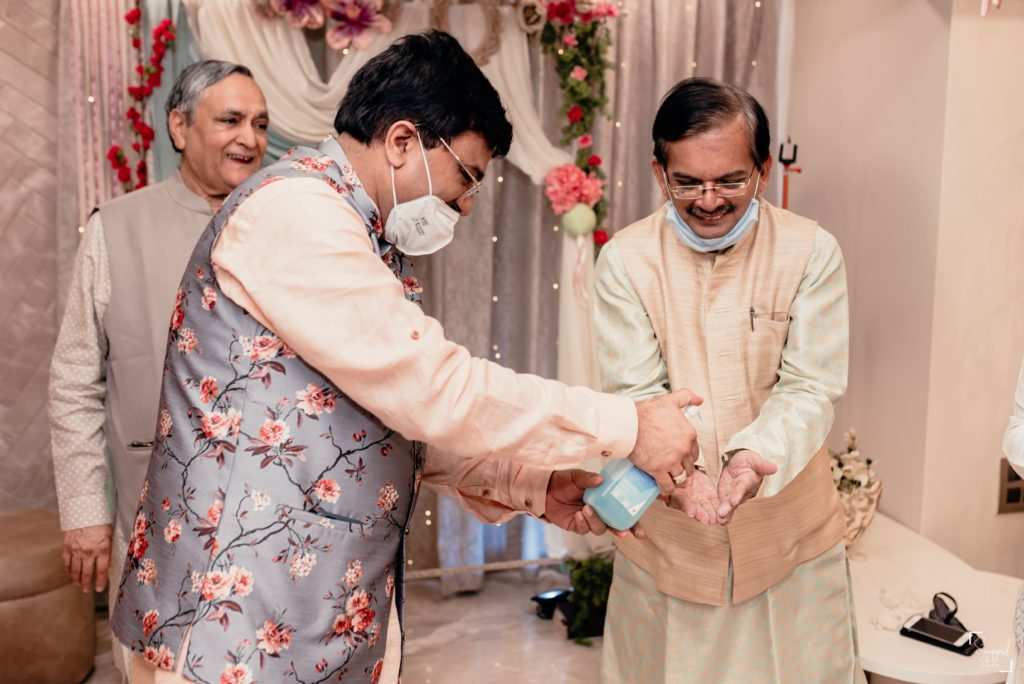
Wedding décor has become more simplified nowadays but it is retaining its elegance. There is more use of fabric, mirror and strings of lights instead of ornate elements. “Having a ‘virtual platform’ set up has become an important part of the wedding owing to the limitation on the number of guests that can attend. We ensure that we have the ideal equipment for this with our audio–visual vendor. We have re-engineered our menu so that adequate social distancing can be maintained in the kitchen and one chef can complete the dish from start to finish. We have hygiene stations all around the hotel for staff to sanitise their hands and throw the used gloves and masks,” explains Himanshu Sharma.
Shine On

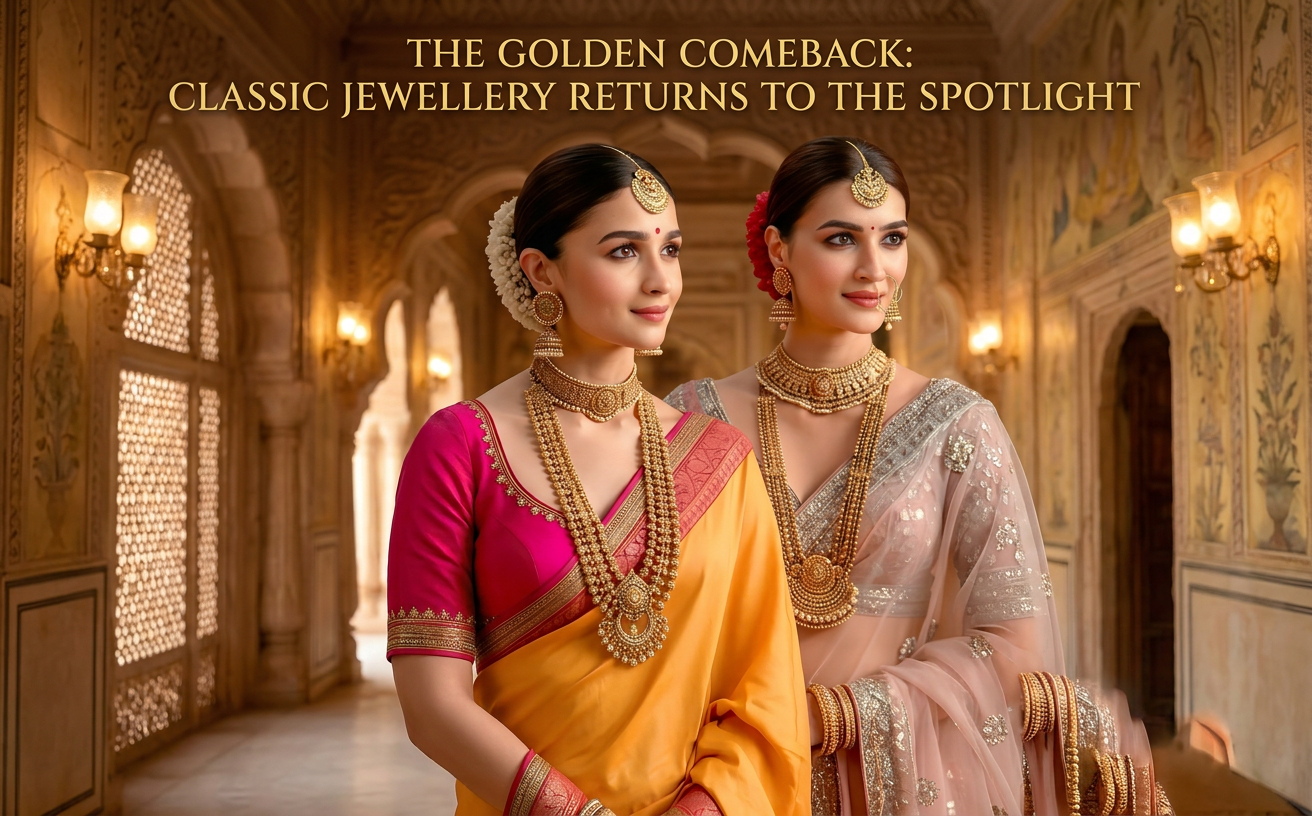
Traditionally, Indians preferred a lavish Big Fat wedding and marriages in India evolved to include elaborate themes, long-drawn ceremonies and destination weddings. But with the advent of Covid-19, weddings have turned into close family affairs. “Earlier, weddings were quite elaborate and social in nature. This created multiple opportunities to wear jewellery. But according to new trends, youngsters want to rework and modify their mother’s or grandmother’s old jewellery pieces by adding new elements to it like precious and semi-precious stones and making them contemporary in nature while retaining the old charm and value. Also, preference towards mid-segment has started diminishing. People are gravitating more towards lower and higher-end jewellery rather than the mid-segment when it comes to wedding jewellery,” says Shrusshti Sharma, Founder, Designers of India.

Facetime photoshoots have become a rage now! Although it is more time consuming, you can sit in the comfort of your own home and make memories while social distancing is maximised.
Report Speak

A recent report titled Global COVID-19 Weddings Report released by The Knot Worldwide, the largest wedding technology company in the world, has thrown up some interesting aspects of new age weddings. 

According to the report, 23% of the couples are not going ahead with a wedding reception while 48% are planning one but with all health and safety measures to ensure everyone’s well being. The number of wedding receptions being cancelled is the highest in India. Taking into cognizance the restriction on the number of guests at the ceremony, 90% of the couples are inviting only immediate family and close friends. A few also invite extended family (30%) who reside in the same city for a private get together while more than half the couples (52%) want friends and family from outside their city of residence to be present to share their magical moment. A quarter (25%) event want their guests to take a COVID-19 test ahead of the event as a precautionary measure. At the ceremony, 75% of Indian couples are conducting temperature checks for attendees and a follow up check a week after the event to check for symptoms (47%). 
Only 40% of couples anticipate that their budget will be 25% or more lesser than what they had originally planned. 33% of the couples are seeking different venue options that can accommodate smaller groups of guests. “Couples in India are staying positive and are keen to celebrate their special day, despite the pandemic, by making necessary arrangements and precautions,” says Ankur Sarawagi, India Country Head, The Knot Worldwide. 

So, while celebrations won’t stop, stay safe and have a fun wedding with all the safety precautions!

Leave a comment

Your email address will not be published. Required fields are marked *

Naeth: Contemporary Fashion by Kerala Designers Jithu & Vishnu

Founded by mechanical engineering graduates and classmates Jithu Gopakumar and Vishnu Girija Gopal, Naeth is a contemporary fashion label from Kerala that bridges heritage with modern design. Inspired by the state’s rich textile traditions, the duo transforms handloom into contemporary silhouettes through innovative fabrics, technical textiles, and thoughtful craftsmanship. Their vision is simple yet powerful: to make India’s weaving traditions relevant for today’s generation while preserving the stories behind every thread. 1.Tell us about your brand and how it is helping preserve and promote India’s rich handloom heritage. At Naeth, we reinterpret traditional handloom through contemporary fashion. Our collections transform heritage textiles into modern, wearable silhouettes that appeal to younger audiences while preserving the craftsmanship, stories, and cultural significance woven into every fabric. 2.Which weaving traditions or artisan communities do you work with? We work closely with the weavers of Balaramapuram, Kerala, a community renowned for its centuries-old weaving tradition. Their handcrafted sarees and mundus are celebrated for their precision, purity, and exceptional craftsmanship, making every textile a reflection of Kerala’s rich cultural legacy. 3.How does your brand support sustainability and responsible craftsmanship? Sustainability is central to our design philosophy. We upcycle traditional handloom textiles into contemporary garments, reducing waste while extending the life of these fabrics. Alongside direct collaborations with artisans and limited-batch production, we also experiment with eco-conscious materials such as bamboo fibres and recycled PET fabrics. 4.What is the biggest challenge facing India’s handloom sector today? One of the biggest challenges is changing the perception that handloom belongs only to traditional wear. We believe handloom deserves a place in contemporary fashion. At the same time, we’re working towards creating greater value for artisan communities by reducing dependence on intermediaries and promoting fair recognition for their craftsmanship. 5.What does National Handloom Day mean to Naeth? For us, National

Kawaii by Lavika Singhvi | Udaipur

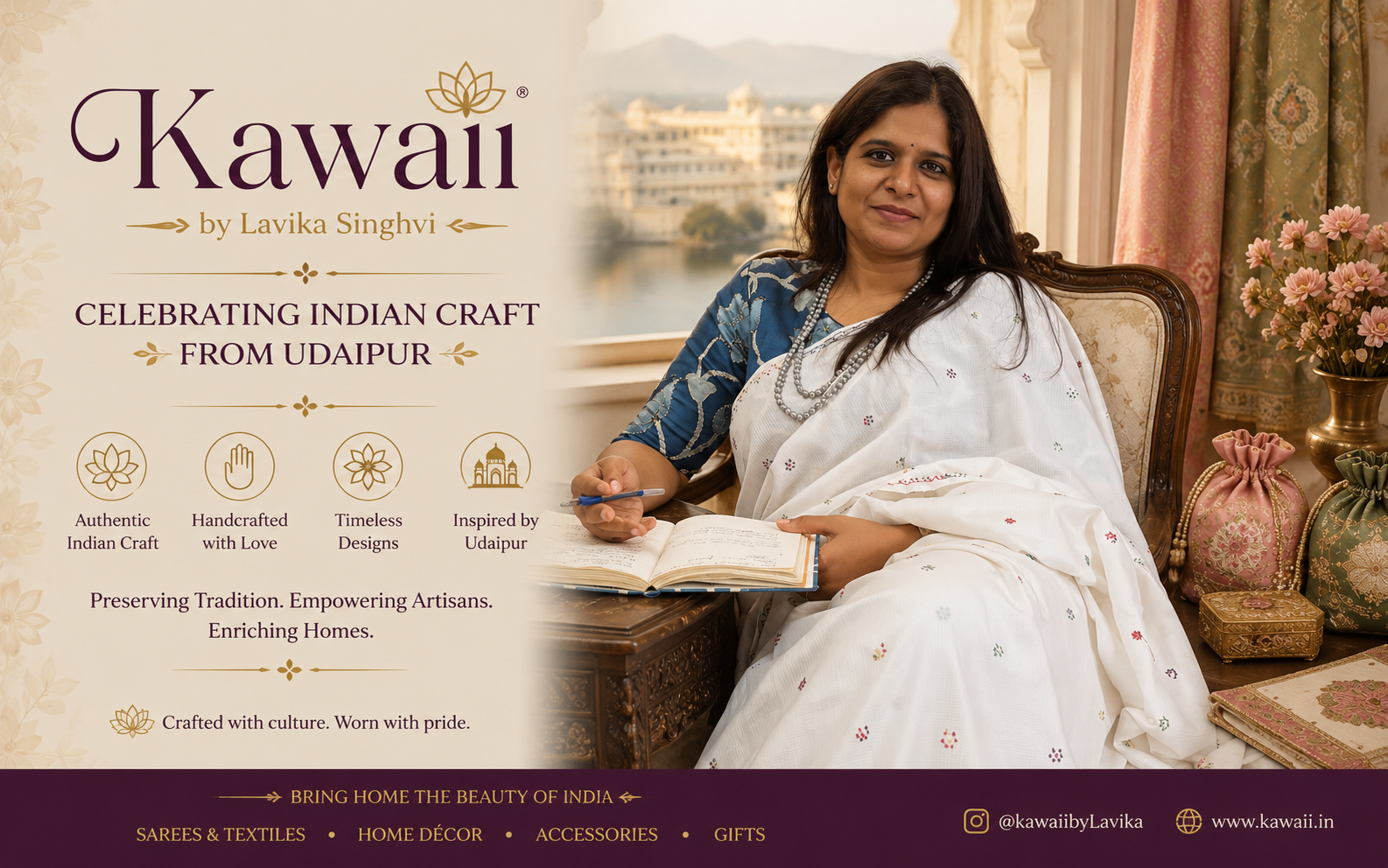
Founded by Lavika Singhvi, a Udaipur-born entrepreneur with a deep connection to India’s artistic heritage, Kawaii is redefining luxury sarees through the lens of wearable art. Inspired by Rajasthan’s rich cultural legacy, Lavika brings together rare handcrafted traditions from across India, including Pichwai, Ajrakh, Madhubani, Batik, and Bandhani. As a Pichwai Certified and ODOP Verified brand, Kawaii works directly with master artisans to preserve authenticity and support traditional craftsmanship. Each saree is envisioned as a timeless heirloom, celebrating heritage, artistry, and the stories woven into every creation. 1.Tell us about your brand and how it is helping preserve and promote India’s rich handloom heritage. Kawaii was born from my desire to transform India’s rich artistic heritage into wearable art for the modern woman. Growing up in Udaipur, a city surrounded by art, culture, and royal traditions, I developed a deep appreciation for the craftsmanship and stories behind Indian textiles. Through Kawaii, we bring together diverse Indian art forms such as Pichwai, Madhubani, Batik, Ajrakh, and Bandhani on luxurious handloom fabrics. Our focus is on preserving authenticity while presenting these traditional crafts in a contemporary format. As a Pichwai Certified and ODOP Verified brand, we work closely with original artisans and artists, ensuring their skills are recognised, valued, and carried forward to future generations. 2.Which weaving traditions or artisan communities do you work with, and what makes their craftsmanship unique? We work with artisan communities across India, including Pichwai artists from Udaipur, Madhubani artists from Bihar, Ajrakh craftsmen from Gujarat and Rajasthan, Bandhani artisans, Batik artists, and traditional handloom weavers. Each craft represents generations of knowledge and storytelling. Pichwai is deeply connected to Rajasthan’s cultural and spiritual heritage, with artists creating intricate hand-painted narratives. Madhubani celebrates symbolic storytelling through detailed motifs, while Ajrakh and Batik showcase complex dyeing techniques perfected over

GAURANG by Gaurang Shah I Hyderabad

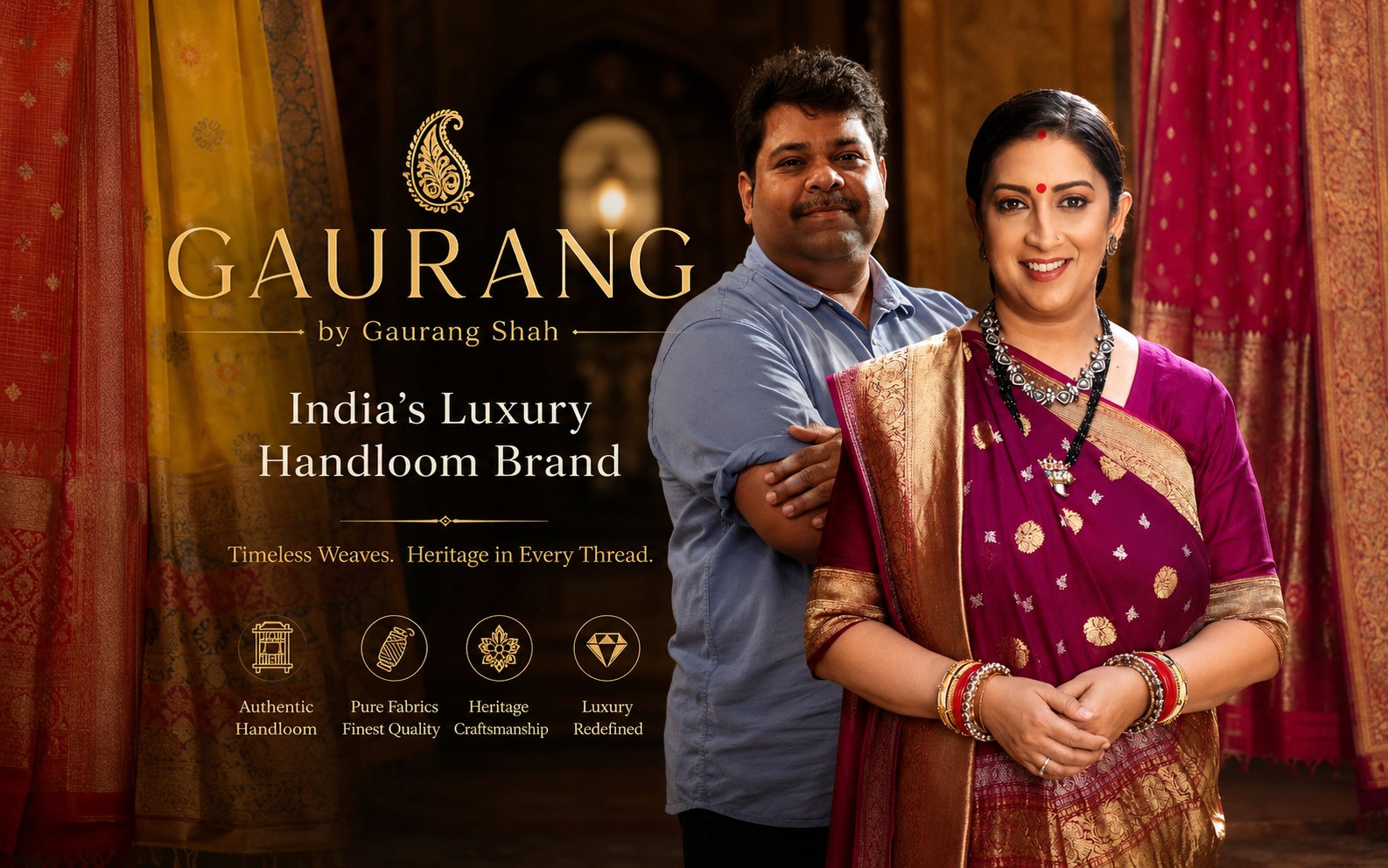
GAURANG is one of India’s foremost luxury handloom brands, renowned for reviving and reimagining the iconic Jamdani weave. For over three decades, Gaurang Shah has worked alongside artisan communities across India, combining traditional craftsmanship with contemporary design to create timeless textiles. Through its dedicated loom clusters, GAURANG has empowered over a thousand artisans while preserving India’s rich weaving heritage through innovation, skill development, and sustainable livelihoods. 1.Tell us about your brand and how it is helping preserve and promote India’s rich handloom heritage. For me, GAURANG has always been about textiles before fashion. My journey began with a fascination for handwoven fabrics and evolved into a lifelong commitment to preserving India’s weaving traditions, particularly the intricate Jamdani weave. Working closely with artisan communities, we have built loom clusters that strengthen weaving ecosystems, encourage innovation, and create opportunities for traditional skills to flourish. Through our collections and showcases across India and internationally, I strive to present Indian handlooms as timeless works of art that remain relevant to contemporary audiences while staying true to their heritage. 2.Which weaving traditions or artisan communities do you work with, and what makes their craftsmanship unique? I work extensively with Jamdani weavers and artisan communities across Telangana, Andhra Pradesh, and several textile clusters throughout India. Through the GAURANG loom clusters, we collaborate with artisans to develop fine cottons, silks, and innovative handwoven textiles while preserving the integrity of traditional weaving techniques. What makes Jamdani extraordinary is its painstaking process: every motif is woven by hand, thread by thread, directly on the loom. The precision, patience, and craftsmanship involved ensure that every sari is unique, carrying the unmistakable signature of the artisan who created it. 3.Sustainability is at the heart of handloom. What ethical or sustainable practices does your brand follow? Handloom is inherently sustainable, relying on

5 Viral Shopping Apps Dominating Gen Z Trends

Gen Z shopping in India is fast, trend-driven and completely digital, with fashion apps shaping what’s in and what’s out. From viral styles to budget-friendly finds, these platforms make it easy to build a wardrobe with just a few taps. Here are five of the best shopping apps Gen Z is obsessed with right now, curated by Sunerii Vennam. Shopping today goes far beyond malls and offline stores. With just a few taps, you can build an entire wardrobe, whether it’s trend-led pieces or a carefully curated personal style. From Y2K revivals to ever-evolving microtrends, fashion is moving faster than ever. And somehow, our carts are filling up even faster. From aesthetic outfits to budget-friendly basics, these are the five apps Gen Z in India can’t get enough of right now. Savana: The Rising Favourite Savana has become a go-to app for people chasing trendy, Pinterest-inspired looks because it’s not just budget-friendly but also known for its new type of sales almost every week. This makes Savana one of the best apps for buying daily essential outfits or the best outfit maker for your next event. The app stands out because its collections often match current trends, making it popular among shoppers who enjoy experimenting with styles. Sunerii’s Favourites: Unique tops and versatile jewellery Newme: Fashion That Understands Gen Z Newme feels like an app built specifically for younger shoppers. The styles are bold, trendy and often inspired by what is currently popular online. The main fan favourites from this store are dresses and bodycons. Newme is expanding its base by also opening offline stores in multiple states across the country, such as Hyderabad, Bangalore, Delhi and more. If keeping up with trends is important, Newme has become a familiar name. Sunerii’s Favourites: Bodycon dresses and hoodies/ sweatshirts Littlebox India:

You May Also Like

Connect with us