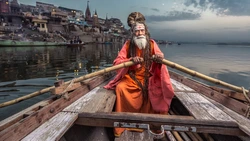
India’s Pride: UNESCO Sites of India

India is a great country with a rich heritage. The grandeur of our past is irreplaceable and an inspiration to us. It is our responsibility to ensure we pass on the cultural heritage to our future generations. There are many architectural wonders across the country which were built by great kings, queens, and spiritual people. Only a few of them have been identified by UNESCO because of their historical and cultural values. We list them all here.
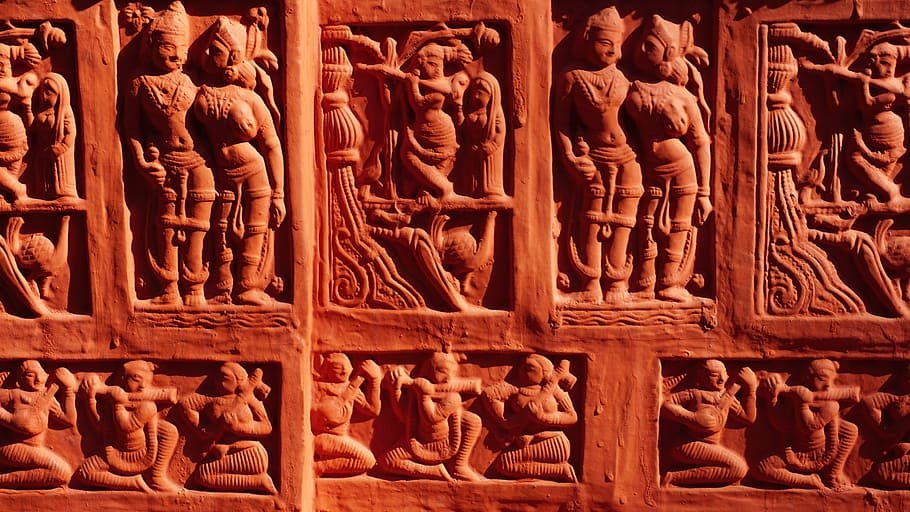
1)Ellora Caves

The Ellora Caves are one of the most popular World Heritage sites in India. It is one of the largest rock-cut caves in the world, featuring Hindu, Buddhist, and Jain monuments dating back to 600-1000CE. There are 34 temples and monuments which extend over 2 km.
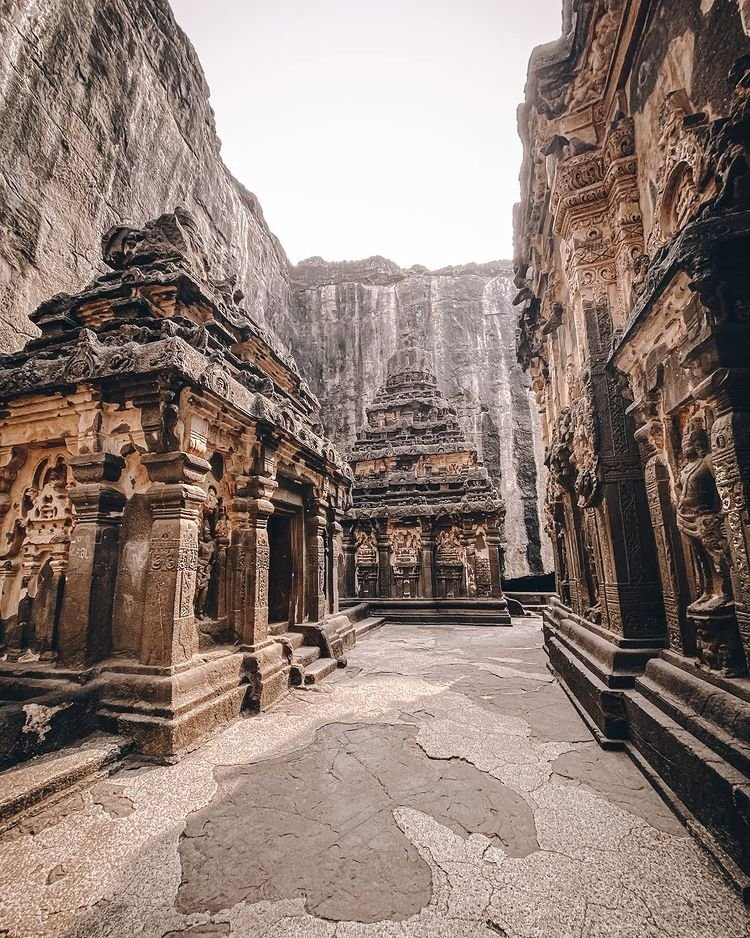
Location: Ellora, Maharashtra 

Timings: 6 AM-6 PM

3)Taj Mahal

The Taj Mahal is one of the seven wonders of the world. It is an immense monument made up of white marble, built in Agra on the banks of the river Yamuna. The Mughal Emperor Shah Jahan dedicated this monument to the memory of his beloved wife, Mumtaz Begum. Millions of tourists from across the world visit this beautiful place every year.
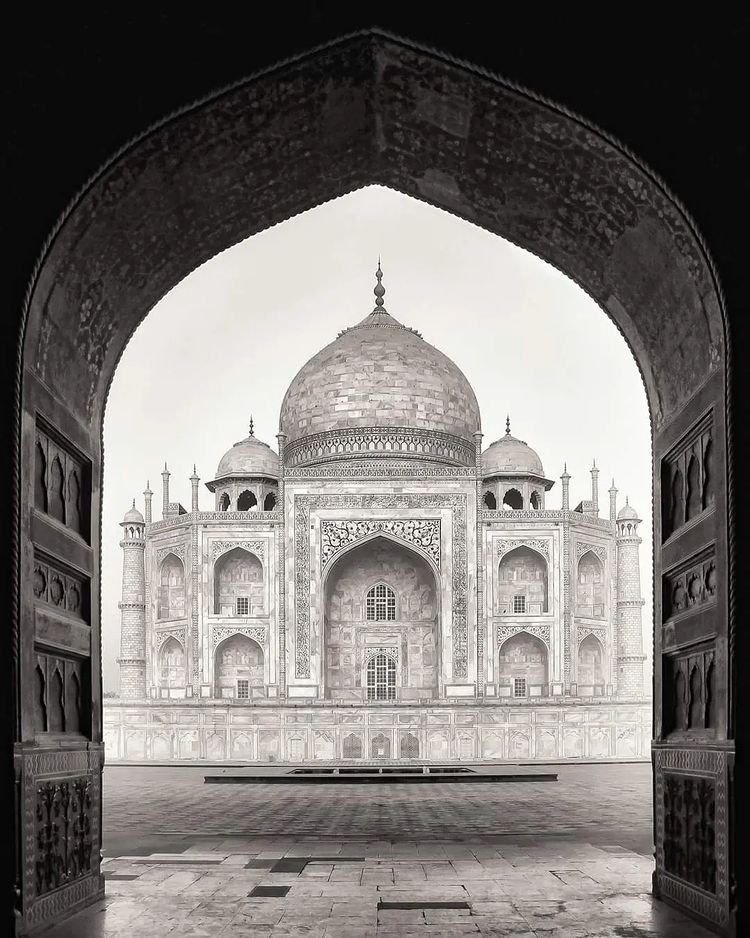
Location: Agra, Uttar Pradesh 

Timings: 6 AM-7 PM

4)Khajuraho

Khajuraho is a popular UNESCO site in India, known for its elegant temples built in the period of the Chandela Dynasty. The temples at this place strike a perfect between the magnificent Nagara-style architecture and the distinguished sculptures of deities. 
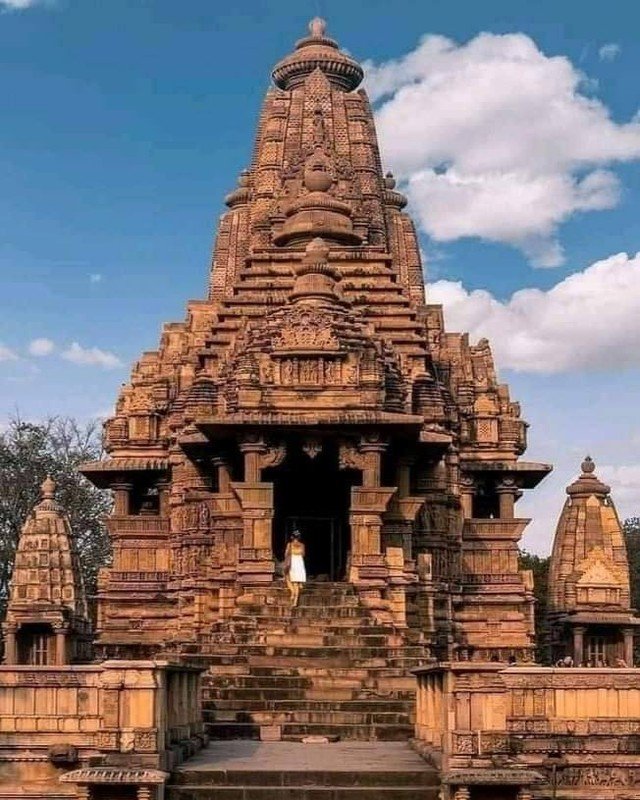
Location: Madhya Pradesh

Timings: 8 AM-6 PM

5)Hampi

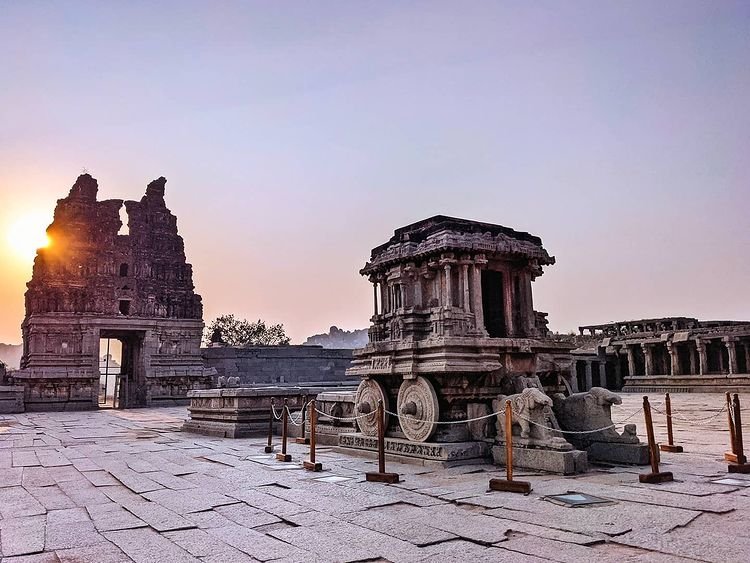
Hampi is the city of temples, ancient forts, and other monuments. Located at the banks of the river Tungabhadra, many popular temples tell us different stories about the Hampi’s cultural legacy. Some of the popular places in Hampi are Virupaksha Temple, Elephant Stables, Vittala Temple, and the Statue of Ugra Narasimha.
6)Qutub Minar

Qutub Minar is one of the oldest and tallest monuments in India. Built in the 13th century, the Qutub Minar stands at a height of 238 feet and was made with red sandstone. The popular rust-resistant iron pillar belonging to the Gupta Dynasty is in the mosque premises. The Qutub Minar and other monuments next to it were inscribed in the list of World Heritage Sites in 1993.
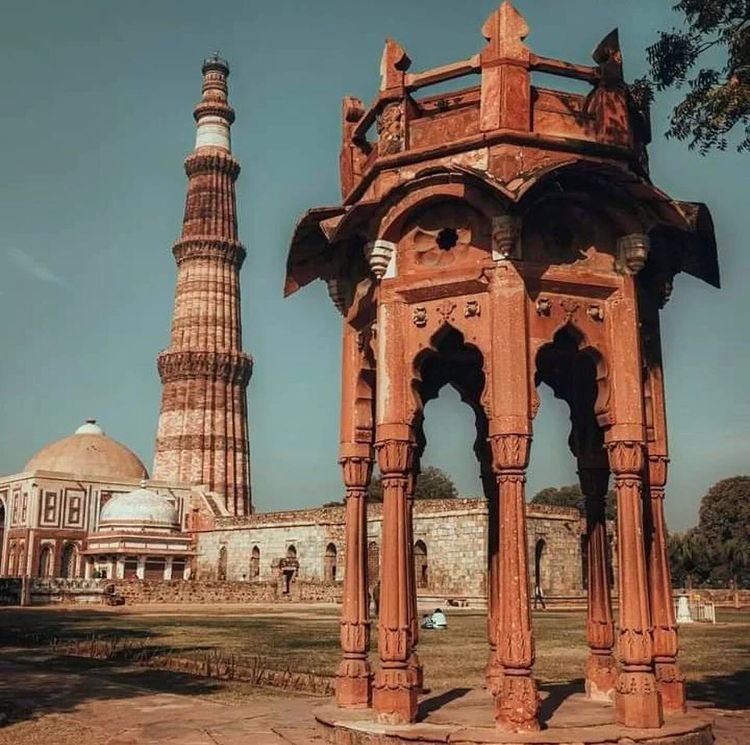
Location: Mehrauli, Delhi

Timings: 7 AM-5 PM

7)Ramappa Temple

The latest addition to the list of UNESCO World Heritage sites is the Ramappa Temple or the Kakatiya Rudreshwara Temple. The temple was built with sandstone during the Kakatiyan Period. Garnished beams, granite carved pillars and a unique inner sanctum made with lightweight bricks are the highlights of the temple. The main deity of the temple is Lord Shiva and there are other small temples surrounding the main temple.
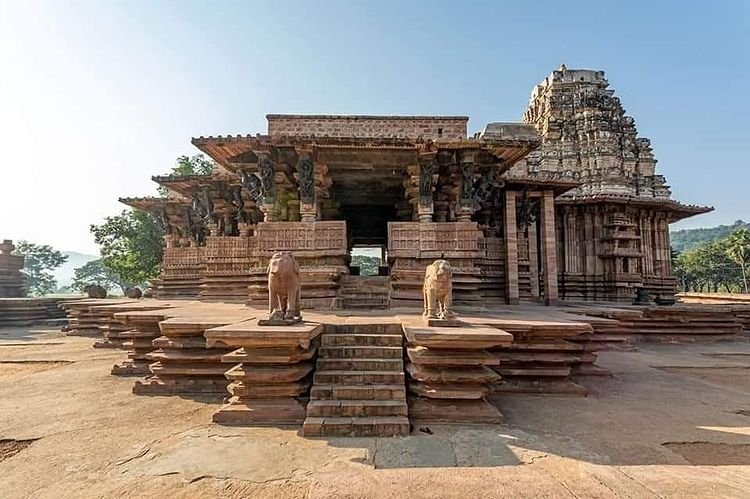
Location: Ramappa, Mulugu, Telangana

Timings: 6AM-6PM

8)Kaziranga National Park

The Kaziranga National Park is a great place to witness natural wildlife. It is located in the state of Assam. The National Park was added as a World Heritage Site in 1985. This beautifully protected park is home to tigers, elephants, one-horned Indian rhinoceroses, panthers, bears, and rare migratory birds. Tourists can visit this place from November to April.
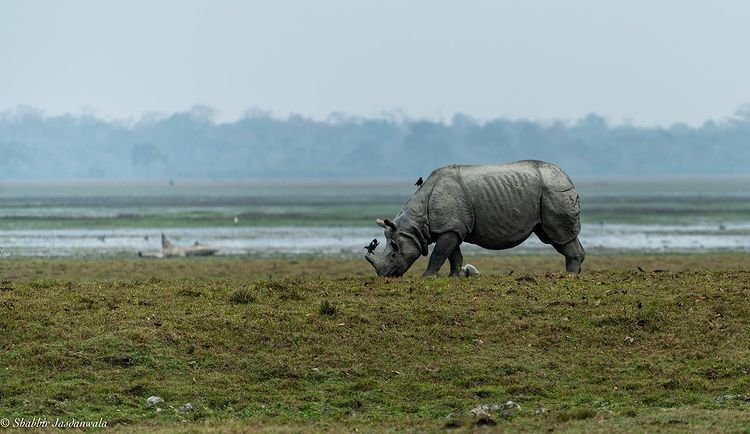
Location: Kanchanjuri, Assam

Timings: 24hours (November to April)

 9)Rani Ki Vav

Rani Ki Vav or the Queen’s Stepwell is located on the banks of the Saraswati river. This unique monument is used as a water resource and storage system. The place is designed in the form of an inverted temple divided into seven levels of stairs surrounded by different combinations of mythological and religious sculptures. UNESCO added this beautiful masterpiece to its heritage site list in 2014.

Location: Patan, Gujarat

Timings: 8 AM-7 PM

10)Humayun’s Tomb

Humayun’s Tomb is the first-ever historical monument to introduced the ‘garden tomb’ concept to India. The place was built in the 16th century by Mirak Mirza Ghiyath for the Mughal Emperor Humayun. This magnificent tomb is surrounded by a marvellous charbagh garden with pools. The monument was an inspiration to Shah Jahan when constructing the Taj Mahal. In 1993, UNESCO included this place in its list. 

Location: Delhi, India

Timings: 6 AM-6 PM

11)Ajanta Caves

The Ajanta Caves are one of the popular spots in Maharashtra. They are the perfect example of the brilliance of historical architecture. They were started by Sathahavans and more caves were added by the Gupta Dynasty. The Ajanta caves are the first-ever cave monuments of Buddhists which date back to the 1st and 2nd centuries. There are many magnificent paintings and sculptures which are considered as the masterpieces of Buddhist art.
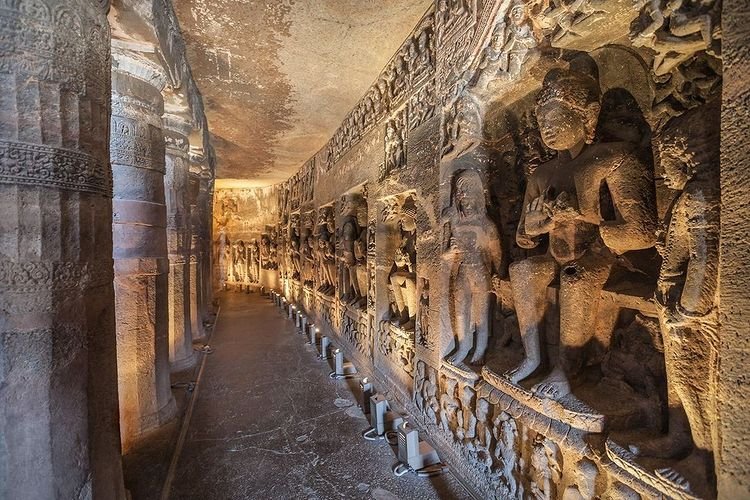
Location: Maharashtra

Timings: 9 AM-5 PM

12)Great Living Chola Temples

The Great Living Chola Temples are stretched over the Tamil Nadu region. The Brihadisvara Temple at Thanjavur and the Airavatesvara Temple at Darasuram were built during the Chola Dynasty. These popular temples are recognized by UNESCO as World Heritage Sites because they depict the Chola style of architecture, paintings, and sculptures.
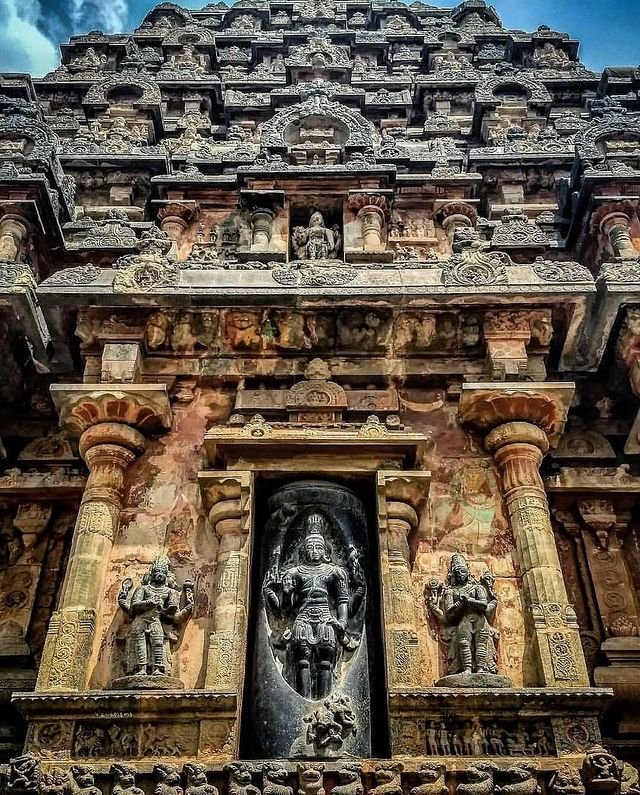
Location: Tamil Nadu

Timings: 8:30 AM-9 PM

These are some of the popular UNESCO World Heritage Sites in India. Other popular sites for visits in India include Fatherpur Sikri, Agra Fort, Elephanta Caves, Sundarban Park, Mahabodhi Temple, and others. All of these architectural wonders have a great history and they are the pride of our nation. 

Leave a comment

Your email address will not be published. Required fields are marked *

Top 10 Destination Wedding Locations for 2026

Explore the top wedding destinations in India and abroad, from the royal palaces of Udaipur and Jaipur to the beaches of Goa and the serene backwaters of Kerala. International favourites including Thailand, Bali, Dubai, Turkey and Sri Lanka offer spectacular settings for multi-day celebrations, luxury experiences and memorable ceremonies. This guide highlights the unique vibe, appeal and estimated budget ranges for each destination, helping couples and families compare options based on style, guest experience and overall wedding vision. Top Indian Destinations – Box Destination Vibe & Appeal Estimated Budget Range Udaipur Palaces, lakes, and royal heritage; Wedding Capital of India ₹50 lakh to ₹70 lakh (palace venues range from ₹70 lakh to ₹2.5 crore) Goa Beachfront luxury, sunset backdrops, and coastal resorts ₹40 lakh to ₹1 crore Jaipur Pink City fortresses, historic courtyards, and grand heritage properties ₹30 lakh to ₹70 lakh Jaisalmer Golden dunes and majestic desert fortress properties like Suryagarh Palace ₹50 lakh to ₹1.2 crore Kerala Peaceful backwater houseboats and palm-fringed lakeside resorts ₹35 lakh to ₹80 lakh Top 5 International Destinations: Destination Vibe & Operational Appeal Estimated Budget Range (100–150 Guests) Thailand (Phuket / Hua Hin) Tropical Beach Luxury: Easiest logistics, massive inventory of seasoned Indian caterers, and a highly optimised system for multi-day South Asian rituals. ₹50 lakh to ₹1.2 crore (Highly flexible packages) Bali, Indonesia (Uluwatu / Nusa Dua) Exotic Clifftops & Jungles: Breathtaking ocean backdrops and Hindu cultural synergy, though specialised Indian buffet menus often require bringing in outside culinary teams. ₹75 lakh to ₹1.8 crore (Luxury resorts command premium rates) Dubai / UAE (Ras Al Khaimah) Glamour & Ultra-Luxury: Unmatched skyline or desert resort backdrops. Phenomenal flight connectivity from all major Indian transit hubs makes guest transit completely seamless. ₹80 lakh to ₹2.5 crore+ (Can scale exponentially for ultra-luxe properties) Turkey (Bodrum

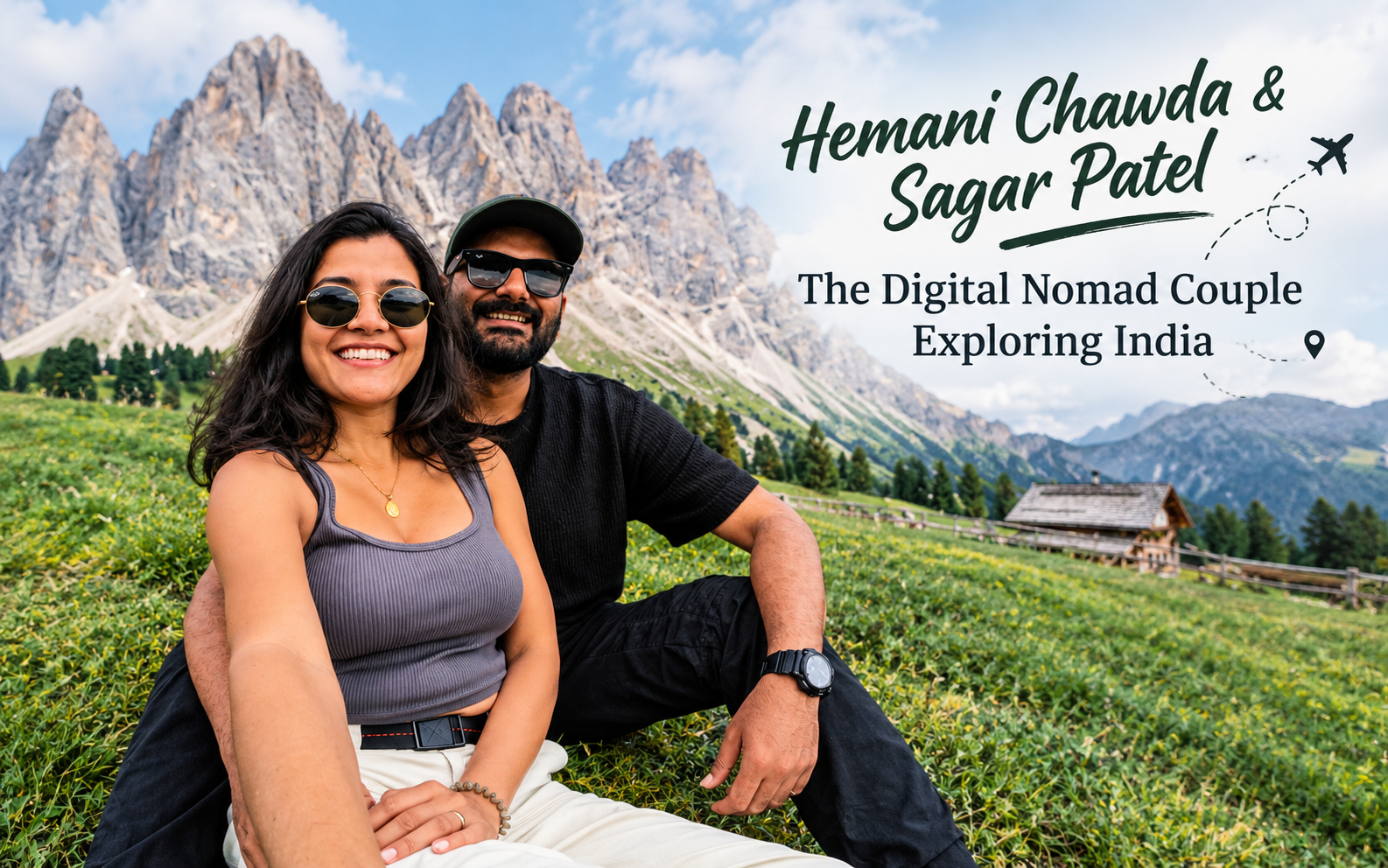
Hemani Chawda and Sagar Patel

Hemani Chawda and Sagar Patel are a travel-content-creator couple and digital nomads who chose a life of exploration over convention. Based between Jhabua, Madhya Pradesh, and Raipur, Chhattisgarh, the duo has built a journey around discovering new places, embracing different cultures, and sharing authentic travel stories. Hemani, a former Radio Jockey, left her career seven years ago to follow her passion for travel and storytelling. Sagar, a post-graduate engineer, later stepped away from the corporate world to join her in creating a life centred around experiences rather than routines. Through their content, they go beyond showcasing destinations to capture the emotions, challenges, connections, and everyday moments that shape life on the road. From ancient traditions to untouched landscapes, here are three countries that have left the deepest impression on their journey. 1. Japan — Where Tradition Meets Tomorrow “Japan holds a special place in our hearts for its incredible balance of ancient traditions, modern innovation, and breathtaking landscapes.” From the peaceful streets of Kyoto and its centuries-old temples to the vibrant energy of Tokyo, every experience feels like discovering a new story. What we love most about Japan is the way it preserves its cultural roots while embracing the future. Whether it is experiencing a quiet tea ceremony, exploring traditional neighbourhoods, or discovering local cuisine, Japan constantly inspires us with its attention to detail, warm hospitality, and endless storytelling possibilities. 2. Philippines — A Tropical Paradise Filled With Human Connections “The Philippines is a destination that feels magical at every turn, with turquoise waters, stunning islands, and some of the warmest people we have met during our travels.” From swimming alongside marine life and exploring hidden lagoons to discovering local communities and untouched beaches, the country offers the perfect blend of adventure and relaxation Beyond its natural beauty, what makes

Mehzabin Shaikh (Maahie) | Mumbai

Meet Maahie, a Mumbai-based travel content creator who transformed her passion for storytelling into a full-time career. After stepping away from engineering to follow her creative calling, she has spent the last 3.5 years building a journey around travel, exploration, and meaningful connections. For Maahie, travel goes beyond popular destinations; it is about discovering lesser-known places, meeting people, understanding their lifestyles, and experiencing cultures through local food, conversations, and everyday moments. Supported by her best friend and travel partner Rahul Yadav, Maahie continues to create stories that inspire people to step beyond their comfort zones and discover that every journey has a story worth sharing. 1. Bhadarwah, Jammu — A Hidden Paradise Beyond the Usual Kashmir Trail “When people think of snowfall and breathtaking Himalayan landscapes, Kashmir is often the first destination that comes to mind. But for me, Bhadarwah in Jammu is one of the most beautiful places I have ever experienced.” What makes Bhadarwah special is its untouched beauty. The snow-covered landscapes feel peaceful, personal, and far away from the crowds and commercialisation of popular hill stations. However, the real magic of Bhadarwah lies in its people. During my first visit, we stayed at a small homestay run by a family of three a husband, wife, and their young daughter. We instantly connected, and by the end of the trip, saying goodbye felt impossible. Over time, they became more than hosts; they became family. Today, visiting Bhadarwah has become an annual ritual. It is a place that reminds me that travel is not just about destinations; it is about the people and relationships you discover along the way. 2. Thailand — The Journey That Introduced Me to Freedom “Thailand will always hold a special place in my heart because it gave me a feeling I had never experienced

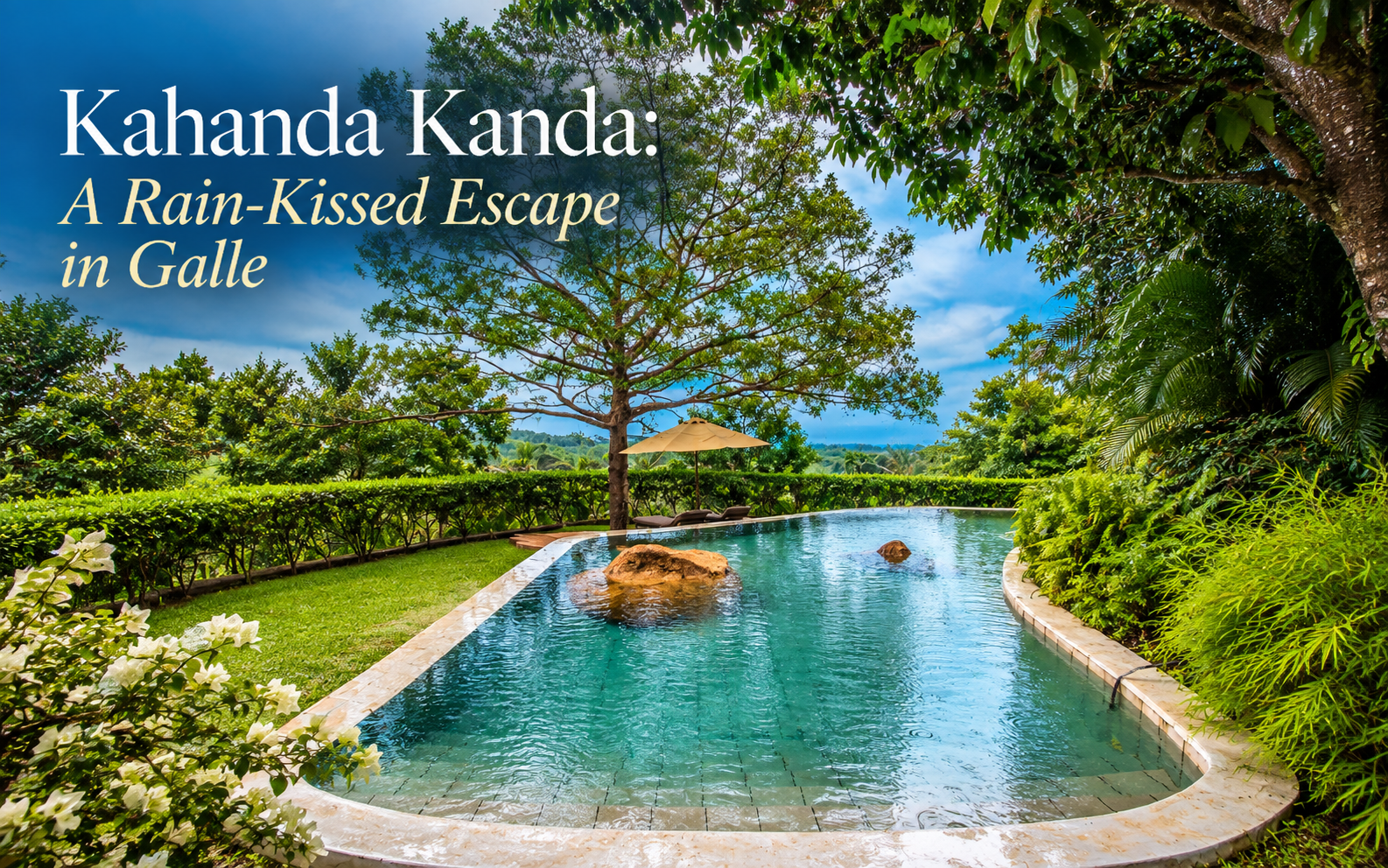
Kahanda Kanda: A Rain-Kissed Escape in Galle

Rain, mist and 17 villas that don’t look alike. Kahanda Kanda is a hidden gem above Koggala Lake in Galle, Sri Lanka. Spread across 14 acres of tea-fringed grounds, this intimate retreat is built around one simple idea: slowing down. Sinduri Vuppala spends a few unhurried days at the estate, discovering its distinctive design, fascinating history and the quiet luxury of doing very little. There’s a particular kind of luxury that has nothing to do with thread counts or infinity pools, and everything to do with being left alone in the best possible way. That’s the feeling that defines a stay at Kahanda Kanda, a boutique estate tucked into the hills above Koggala Lake in Galle, Sri Lanka. The journey there is part of the story. After a stint in the busier coastal town of Bentota, the drive inland feels like a decompression, roads turning greener and quieter, the pace of the island slowing with every mile. By the time the gates swing open onto a sweep of tea bushes, garlands, and a welcome glass of estate-grown lemongrass cordial, you’ve already left the “resort” mindset behind. We arrived off-season and were the only guests on the property. There’s something disorienting about having a place this beautiful entirely to yourself, mist over the tea plantation, no queue for breakfast, just birdsong somewhere in the canopy. When the rain came, it didn’t spoil anything; it turned the estate into something softer and more private. The Villas Kahanda Kanda comprises 17 stand-alone villas, and the property’s defining trick is that none of them looks alike. Rather than the interchangeable rooms you’d find at a larger resort, each villa here has its own layout, its own mix of antiques, and its own mood, a blend of European and Asian pieces alongside contemporary art, none

You May Also Like

Connect with us