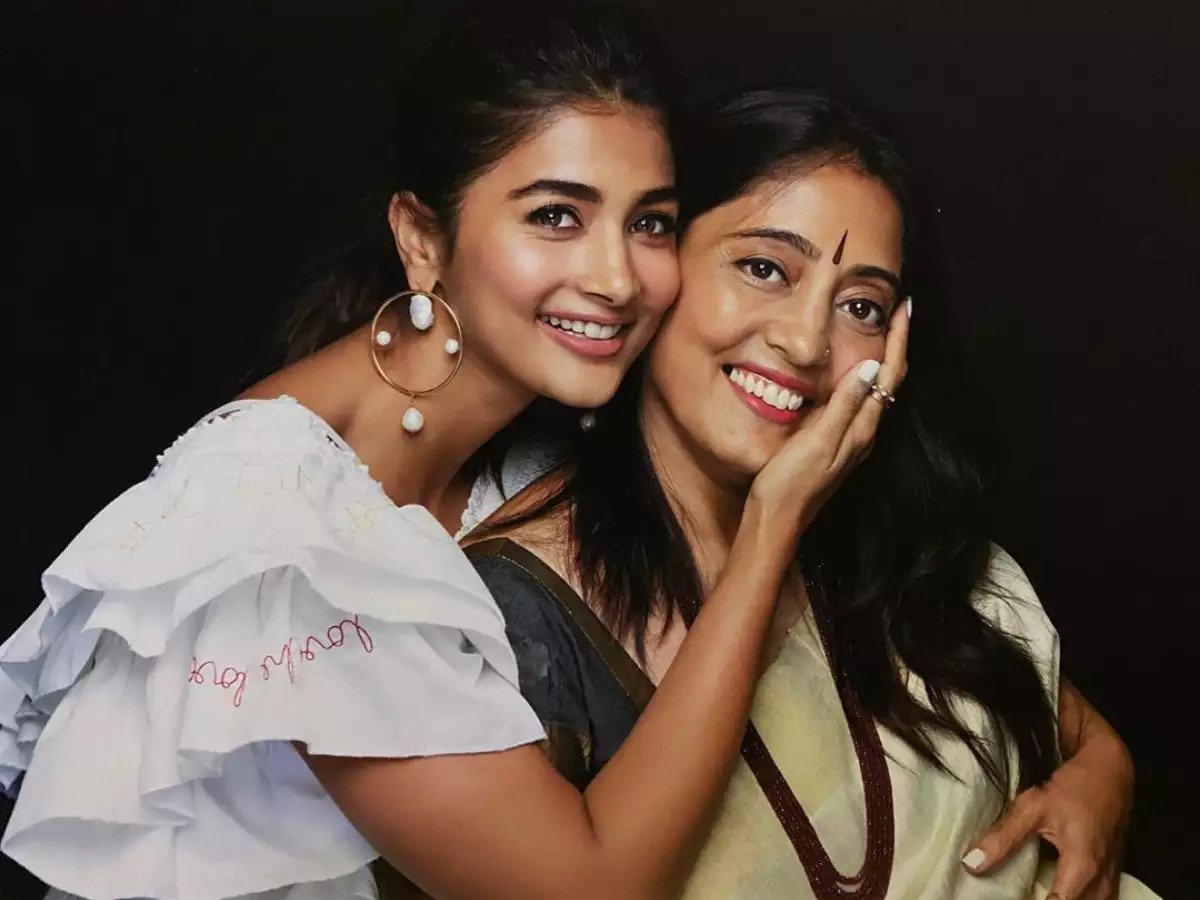
Pooja Hegde: “I always want women to remember that your voice has power”

During a recent interaction actress Pooja Hegde spoke to Lipika Varma on being grounded, the lessons learned from mom, and how does she empower women and inspiring people through her films, among many other things.

The Old and The New
What is the criteria of you choosing your films now?
I go with my gut instinct and if the director is Sanjay Leela Bhansali [sir] or
Rajamauli [sir], I am not going to ask them. I want to be part of their story. In
Acharya starring Ram Charan I’m playing the role of a proper Telugu village
girl since it interested me. So it’s sometimes the story, the role or the people I
am working with.


So who made you sign Radhe Shyam?
It was all a mixed bag but after hearing the narration I felt very excited. In this commercial film the character of Prerna is very complex and has different shades. I was also happy to be in Prabhas’ film.

Radhe Shyam Pooja Hegde Interview with Hashtagmagazine


Your Hindi debut Mohenjo-Daro, never worked. Do you have any regrets?
I was with the film for almost two years as I was bond contractually. What can I do if a film didn’t do well? I can cry only for some time. You have to get up and have to work. It was a huge film, starring Hrithik Roshan coming together with director Ashutosh Gowarikar after Jodha Akbar. I could not have asked for anything more in terms of a debut film. What can I do if it didn’t work? I moved on; that’s life.

“I could not have asked for anything more in terms of a debut film.”

Whose biopic would you like to reprise on the celluloid?
I want to do a biopic and if I get an opportunity, I’d like to play Gayatri Devi. She was so classy and represented her family very well.

Fan Favourite
How do manage to strike the balance between North and South?
God has been kind to give me all these films. I always wanted to act in different languages. If I say two lines in Gujarati, I will connect to a Gujarati speaking individual. I feel acting in anyone’s language gives instant connections. There is an unexplainable thing. Languages have that power. I wanted to belong to the Indian industry rather than belonging to one industry. I am lucky it has worked for me as my audiences have accepted me.


From being a Southern siren in Tollywood to now being a Pan-Indian
siren, you’ve come a long way. Is South still home?

Down South, people have taken me as their own. They have given me apna wala feeling. South has also given me so much respect. South has given me so much that now, I can select my Hindi film and not just do for the sake of doing films. I think I’m blessed. God has been kind to me. I want to give them back the love given to me which is why I dub my own Telugu films. They have accepted me and loved me, which I don’t take lightly. Sometimes on Instagram I connect with my fans. I look at their conversations and they are students who drive far away to watch my South films as it doesn’t normally release near their homes. I feel so responsible that they have spent so much money. I don’t take them lightly or for granted.

“I wanted to belong to the Indian industry rather than belonging to one industry.”

What do you think of your ardent fans?
I feel the fans are so passionate about films. Earlier, overseas was very a small percentage of South films. Now, Telugu films are making 100 to 200 Cr. If you think about it, it’s only two states right now, Andhra –Telangana or Tamil Nadu. They are making so much money. This means one fan has watched a film again and again to make us that kind of money. It’s entertainment and so they take their families for an outing. They also love doing charity in my name – during Covid, they gave sanitizer and food to people. One lot of fans gave sarees and clothing to people. It’s amazing to know all this. As much as possible, I am in touch with my fan club. I hope I can meet them soon. If I am organizing something, they protect me like a mama bear. They reflect a lot of values.
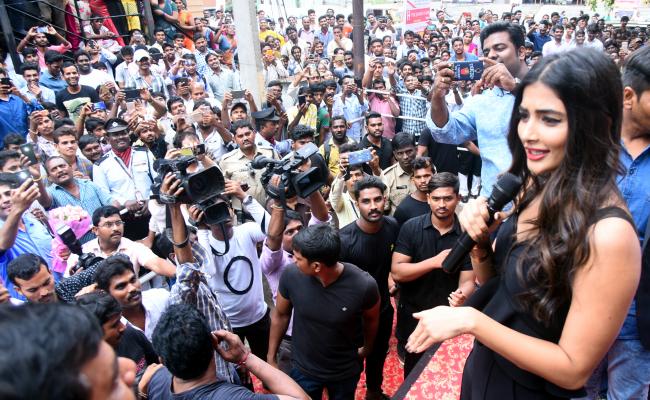
Pooja Hedge fan moment

“I am in touch with my fan club. I hope I can meet them soon.”

Shattering Biases
What do you think of the pay gap in the industry?
It exists in every industry. I hope the next generation of actors can come and can say, “Pooja ne itna charge kiya tha – so it’s okay to charge that.” I push a lot because I feel your worth has to be paid. You must know how much of the audiences you are pulling in and charge accordingly. The producers are going to pay you as per the audience you are pulling in. But there is a gap since it’s a slow process in general; not only in this industry but overall.


What is your idea about portraying female-centric roles?
I always wonder if films are called women-oriented. Growing up, as a girl, I felt like haven’t been represented as strongly as we could be. I would like to do something like Seeta Aur Geeta…it’s such an inspiring film. It did well and was a blockbuster film. I don’t know why but somewhere we forgot that female-centric films work. Whether it was Mili, ChaalBaaz, or Chandni, all these films were amazing. But somewhere along the line we decided that nahi yaar, yeh film bikti nahi hai. I am glad that films like Gangubai are doing well. I personally feel that women stories should be told to inspire the next generation and also include action films. For example, I love watching Mr. & Mrs. Smith and seeing Angelina Jolie be so cool.


Up Close and Personal
Thoughts on fashion?
I feel fashion is a way you can talk about yourself. It’s definitely one way of expressing yourself. Fashion reflects who you are and at the same time, it works internally.


You have been a strong advocate for women’s empowerment.
I always want women to remember that your voice has power. Come out with your story and talk. Live your life in a way that you can inspire people. I have always sought inspiration through the women I met in my life. I feel like if even one girl gets inspired by me then I would have lived a good life. By changing a girl’s life, you are changing her entire family…they are nurturers. It’s so important to inspire little women. I do that through my art. My contribution to bring about some changes is through my films and I only hope they watch my films. Bada yudh toh hota rehta hai …we concentrate on our daily life and also on breaking the glass ceiling.


Do you think success has changed you?
I feel like I’m still the same. I am still my mom’s daughter. Life has changed for me. I think destiny definitely had a huge part to play because I never thought I would turn to acting as I belong to a very educational driven background. My brother is a doctor and my father is a lawyer. My mother has studied MBA and is doing a Masters in law now. I never thought about it. This industry has picked me. My family had no connections to the industry. I got into Miss India and didn’t win, but was a runner-up. It makes me happy I have always made decisions based on my guts. I also feel happy that you can work hard. Your journey may be longer but you can reach there.
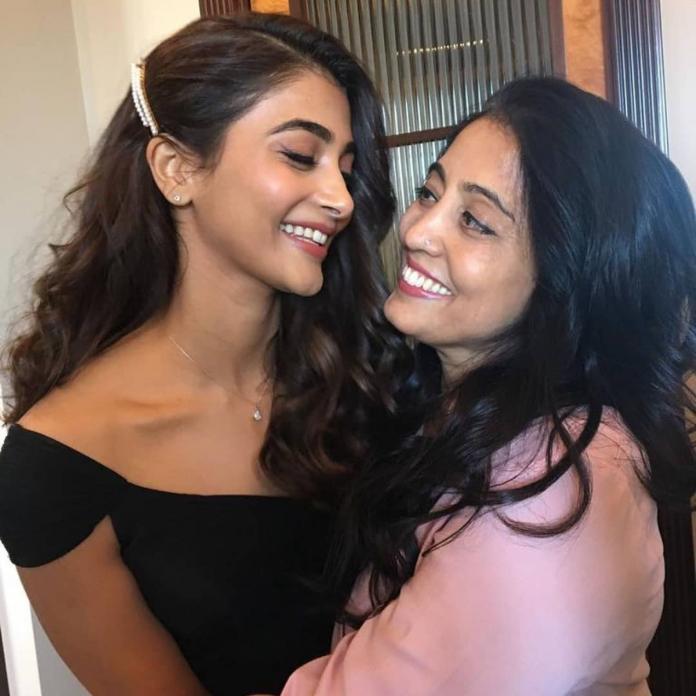
Pooja Hegde with mother
“I am still my mom’s daughter”: Pooja Hegde

“My mother is a tough girl. She is my inspiration.”

Who is your inspiration?
My mother is a tough girl. She is my inspiration. My parents have always taught me through action. I saw them doing things to make us believe. My mother has raised 2 kids and runs a successful business at the same time. She would get up in the morning and pack our dabbas and send us to school, wash the clothes, make sure everyone has had their food and then go to work. When she would come back she took care of our homework. It never felt like a task. Mom is like a super woman. Just recently, my 2 year old cousin’s sister came to stay with me along with her 2 brothers. I was turning mad looking after them. I didn’t know how to handle all of it and I’m wondered, ‘how did my mother manage all this?’ All the respect to moms; they make it seem so easy.


Leave a comment

Your email address will not be published. Required fields are marked *

Prince Cecil Decodes the Perks & Challenges of a Destination Wedding

Actor Prince Cecil married Sai Machiraju in an intimate, 80–100 guest wedding in New Zealand, her home country, on August 24. In an exclusive with Hashtag Magazine, he breaks down what nobody tells you about planning a wedding away from home. The Perks An intimate celebration: New Zealand as our destination wedding was special because my wife, Sai Machiraju, is from there. But the thing about destination weddings is you have to keep it very private, like close-knit. I think just 80-100 people attended our wedding. Core memories that last: Destination weddings create core memories that stay lifelong. Our post-wedding pics in the snow, flying down from a helicopter, were just two happy people who wanted to capture our love. The couple even shot part of their album at Cecil Peak, a nod to his name. It was pretty cold, but it felt like a Classic Bollywood moment; at least I was covered in a sherwani, and my wife was in a saree. The right team makes the difference: There are a lot of challenges in planning a destination wedding: admin for travel, tickets, food, stage, clothes, logistics. They were quite major, but having a great team, management and a limited crowd was a huge plus. The Challenges Not everyone can make it: Someone close wants to attend it badly, but life, work commitments and the distance meant they had to skip it. That’s one of the hardest parts, missing someone you desperately want there on your special day. You can’t control the weather: The night before their outdoor ceremony, it rained heavily. We were so tensed and worried about how we’d manage, and checking for last-minute backup options. Planning can get chaotic: Coordination outside your space, managing things as per our customs and rituals, is so hard. Everything was

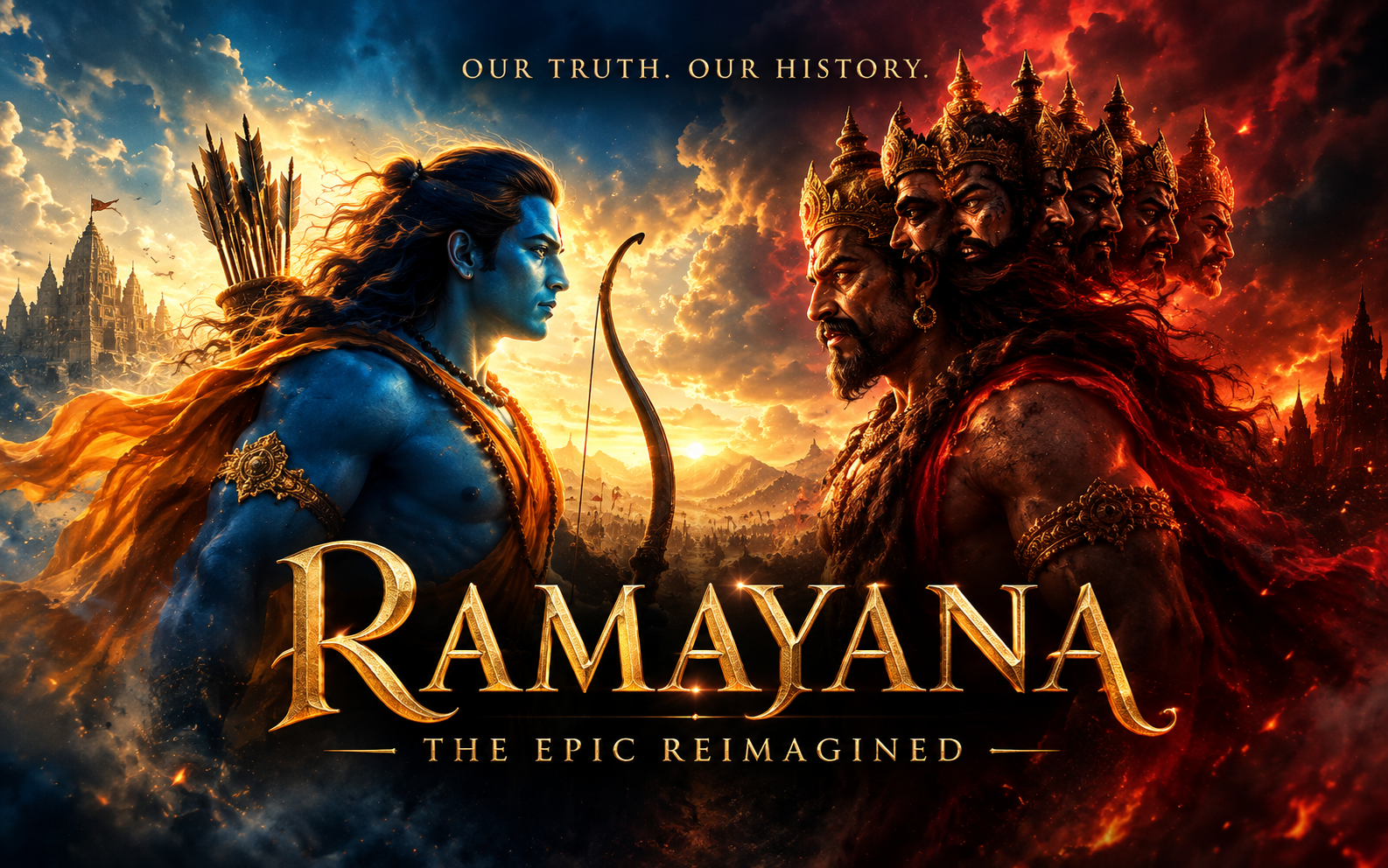
RAMAYANA: THE EPIC REIMAGINED

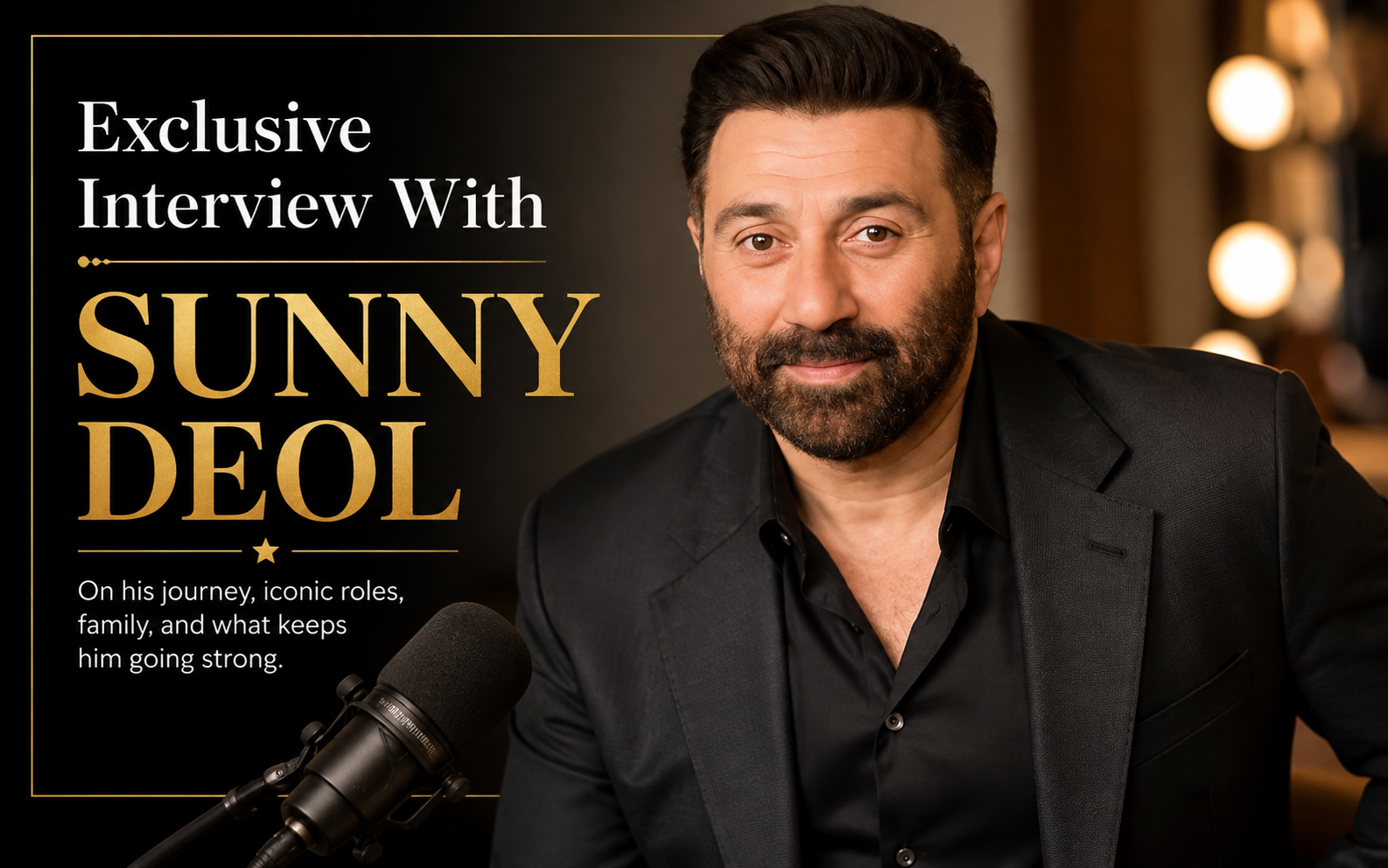
Ramayana: The Epic Reimagined is shaping up to be one of Indian cinema’s most ambitious productions, bringing together a star-studded cast and an international creative team. From its two-part format and reported ₹4,000-crore budget to its cutting-edge visual effects and global release plans, here are 10 things to know about the epic cinematic spectacle. 1.Two films, one epic Ramayana is planned as a two-part cinematic project. The first instalment is scheduled for release during Diwali 2026, with the second chapter planned for Diwali 2027. The films are directed by Nitesh Tiwari and produced by Namit Malhotra. Ranbir Kapoor has revealed that the team shot around six hours of footage for the first film before editing it down. A Chinese listing reportedly indicates a runtime of about 166 minutes for Part One. 2.Ranbir Kapoor as Rama: The first choice Ranbir Kapoor plays Lord Rama, amid years of speculation over other names. Mahesh Babu, Hrithik Roshan and Ram Charan were among the actors linked to various versions of the project. However, director Nitesh Tiwari and producer Namit Malhotra have clarified that Ranbir was always their first choice for their current Ramayana. Tiwari cited his physicality, screen presence and ability to convey emotion through his expressions. Interestingly, Yash, who plays Ravana, was also reportedly considered for Rama before taking on the antagonist. 3.Sai Pallavi is Sita Sai Pallavi plays Sita opposite Ranbir Kapoor’s Rama. The role marks a major Hindi-film project for the acclaimed South Indian actor and adds another prominent South Indian star to the cast alongside Yash. 4.A large ensemble cast An extensive ensemble supports the three leads. Sunny Deol plays Hanuman, Ravi Dubey plays Lakshman, Arun Govil plays Dasharath, Lara Dutta plays Kaikeyi, Indira Krishnan plays Kausalya, Kajal Aggarwal plays Mandodari, Rakul Preet Singh plays Shurpanakha, Kunal Kapoor plays Indra

Exclusive Interview: Nikhil Siddhartha on Swayambhu, Family and Politics

After the pan-India success of Karthikeya 2, Nikhil Siddhartha finds himself at a pivotal phase in his career. The actor is currently gearing up for the release of Swayambhu, one of the most ambitious projects he has undertaken to date, a historical action drama that demanded nearly two-and-a-half years of dedication, extensive physical transformation, and months of post-production work. In a candid conversation with Priyanka Goud, Nikhil opens up about the challenges of mounting a large-scale period film, why he prioritises quality over quantity, how fatherhood has changed his outlook on life, and his belief in using cinema as a tool for social awareness. A Two-and-a-Half-Year Commitment Describing Swayambhu as a project unlike any other in his career, Nikhil revealed that he dedicated nearly two and a half years exclusively to the film.“Some films are easy to make, and some are difficult. Swayambhu falls into the category of films that demand complete commitment. I underwent a significant transformation for the role, growing my hair long, maintaining a specific physique, and immersing myself in the character and story throughout the production period,” he said. A Historical Story with Universal Appeal One of the aspects that attracted Nikhil to Swayambhu was its historical backdrop. Nikhil plays Krishnan Raman, a historical figure whose name appears on ancient copper plate inscriptions that have recently gained attention. “This story is rooted in history, but its themes are universal,” he said. “It’s not confined to one region; audiences across India will be able to connect with it.” The actor also highlighted the growing importance of visual effects in modern filmmaking. Swayambhu reportedly contains nearly 2,700 VFX shots, making post-production one of the most demanding phases of the project. “We completed principal photography in December 2025, but for the last five to six months it has been

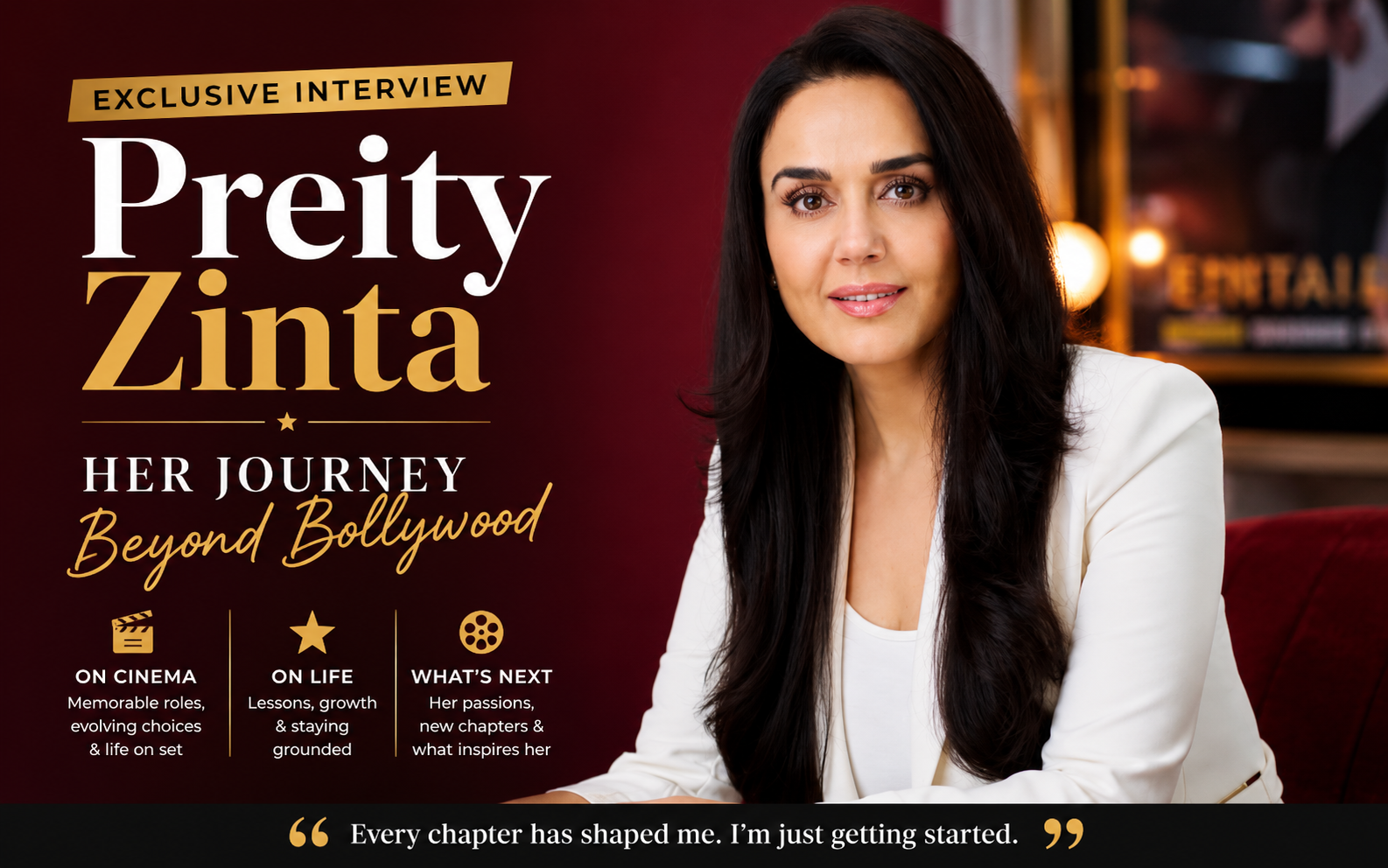
Preity Zinta on Batwara 1947, Motherhood and Finding Her Way Back to Cinema

For Preity Zinta, returning to the screen with Batwara 1947 is about more than making a comeback. The period drama allowed her to explore a chapter of India’s history, work with director Rajkumar Santoshi for the first time, and step into a world far removed from her own. But the film also made her reflect on how much life has changed since she began her career, from the freedoms available to women today to the perspective that comes with becoming a mother. For Zinta, Batwara 1947 is ultimately a story about family, resilience and hope, as she tells Lipika Varma in an exclusive conversation. Why did you say yes to doing this film? What touched you the most? There were a couple of things. First, I really wanted to work with Raj ji. I had never worked with him before, so working with him was always on my bucket list. I had also always wanted to do a period film. Beyond that, I genuinely loved the story. What touched me most was that even in the darkest of times, there is always a ray of hope. People may see this as a story about two countries, but for me, it is essentially about a family. I was also deeply affected by stories of families who believed they were leaving their homes temporarily, even burying their jewellery and valuables, thinking they would return. They never imagined they would lose everything forever. Since this is my first period film, I spent time researching and understanding that era. After such a long break from films, why did you choose this project? I was enjoying my personal life, focusing on my family and raising my children. Professionally, I had always wanted to work with Raj ji and also wanted to do a period film.

You May Also Like

Connect with us