
Safeguard your eyes, safeguard your body!

Has digital evolution encompassed us in the COVID19 Pandemic? Is digital addiction is more lethal than any other addictions? Dr Kasu Prasad Reddy – Chief Surgeon & Founder of MaxiVision Eye Hospitals, Hyderabad gives us a lowdown…

Digitalisation has swallowed the world much faster than expected. The pandemic further catalysed the walk on the digitalisation journey of people. It is believed that 32% of the Indian population owns a mobile phone and 560 million use the Internet. This makes India the second largest online marketplace, right after China. We should also be accounting for the population that uses Internet on computers, nearly 8 hours a day! The constant staring at screens and the white light glare is causing intense damage to the most important organ of our body, the eyes. 

At MaxiVision, we as eye care providers have witnessed a surge in eye issues in the population less than 25 years of age. This is more so for people working in the Information Technology field. As a result of this, we have special departments for computer vision syndrome, to address the vision defects, and related orthopaedic issues because of improper ergonomics. We recommend the special use of ARC Glasses (Anti-reflective coated) glasses for computer users, and teach them proper ergonomics and eye exercises while working long hours in front of computers. What we observed as eye specialists is that users are addicted to their digital devices even when not on their official work duties. 

Digital addiction is more lethal than a drug addiction and there are multiple issues related to it. Digital addiction is defined as a primary, chronic disease of brain reward, motivation, memory, and related circuitry. Dysfunction in these circuits leads to characteristic biological, psychological, social, and spiritual manifestations.  This is reflected in an individual pathologically pursuing reward and/or relief by substance use and other behaviours. Symptoms of digital addiction such as increased loneliness (also called “phoneliness”), anxiety, and depression were observed in a sample of university undergraduates who completed a survey about smartphone use during and outside of class.  Other observations included observations of “I Neck” (poor) posture as well as how multitasking/semi tasking was prevalent in the sample. 

Digital addiction is more lethal than a drug addiction and there are multiple issues related to it. Digital addiction is defined as a primary, chronic disease of brain reward, motivation, memory, and related circuitry. 

A range of medical issues can result from digital addictions that can affect your health. 

  1. No Sense of Ergonomics

Corona has probably made lot of ‘couch potatoes’ than before. People spending more time on digital platforms or on the television adversely affect their sitting position and sleeping positions. So even if you have to spend more time on your television or computer systems, choose a proper seating position—sit erect, take frequent breaks and do small exercises post these sessions to keep your back pain or neck pain at bay.

  1. Vision Health

Three devices that are an essential part of our day-to-day lives need to be used well to protect your vision health

  • Mobile Phones

All mobile phones and computer screens emit radiation. The radiation level, also called the SAR value (specific absorption rate), is the unit of measurement for the quantity of electromagnetic energy that is absorbed by the body when using a cordless device (mobile, tablet, cordless phone, etc.). The SAR value of a mobile device controls the heat the device generates but does not protect you from the adverse health effects on the human body that are caused by the nature of these radiations. Too much screen time can wreck your eyes. Smart phones, laptops, and other handheld devices all transmit light. Only option is to reduce your screen time. 

  • Computers & Laptops

Using a laptop exposes you to Electromagnetic Fields (or EMFs), basically radio waves that emanate from electronic devices and create a magnetic field. These can be referred to as “Laptop radiation” (though not technically). The heat radiating from your laptop can actually damage your skin. Researchers say the skin discolouration can be permanent, and in rare cases it can cause damage leading to certain skin cancers. Blocking the heat from your laptop can be equally important for male fertility. The heat produced by laptops is definitely not sperm-friendly. If you want healthy sperm count, keep that laptop heat away!

  • Televisions

OLED TVs really are good for your eyes. A 4K display is no more likely to cause eyestrain than a 1080p alternative. In fact, its greater clarity is an asset. Eyestrain can still occur, but if it does it’s because of excessive brightness, improper positioning or other factors, not the resolution.

The surge in use of technological gadgets has made human lives increasingly digital. In fact, according to a recent study, the human attention span has shortened from 12 seconds to 8 seconds in more than a decade due to digital technology.

  1. Behavioural Issues 

There have been certain adverse behavioural conditions in people using excessive digital devices. To elaborate a few, 

  • People often feel the need to engage with digital devices even if it is inappropriate or dangerous for them to do so. It results in damage to brain systems connecting emotional processing, attention, and decision-making. 
  • Internet addiction alters the volume of the brain. The brain changes are similar to those produced by alcohol and cocaine addiction. It shrinks the brain’s grey and white matter fibres which results in changes to emotional processing and brain functioning. 
  • Many people use social media to facilitate communication with friends and family. However, for others, it has further isolated them from human contact. Technology has hindered people’s ability to think. Children addicted to video games may make quick decisions but they have also been unable to control their aggression and impulses.
  • The surge in use of technological gadgets has made human lives increasingly digital. In fact, according to a recent study by Microsoft Corporation, the human attention span has shortened from 12 seconds to 8 seconds in more than a decade due to digital technology.
  1. Effects on Kids

Technology has affected kids adversely. These days, loneliness, depression, anxiety, stress, attention deficit disorders and inability to concentrate and inability to make decisions due to numerous options available online are some of the issues rampant in kids. All the above might cause imbalances in nutritional intake and stunted growth and development.

Conclusion

Overall, while digitalisation has eased our lives in many ways, it has also come with its own set of adverse effects. Unfortunately, these adverse effects have a far-reaching consequence on the essential health of human life and hence effective warning definitely needs to be sounded off to concerned sections of the society and the population at large. Eyes they say are the windows to your soul, so we ought to protect them. Safeguard your eyes, Safeguard your body!


Leave a comment

Your email address will not be published. Required fields are marked *

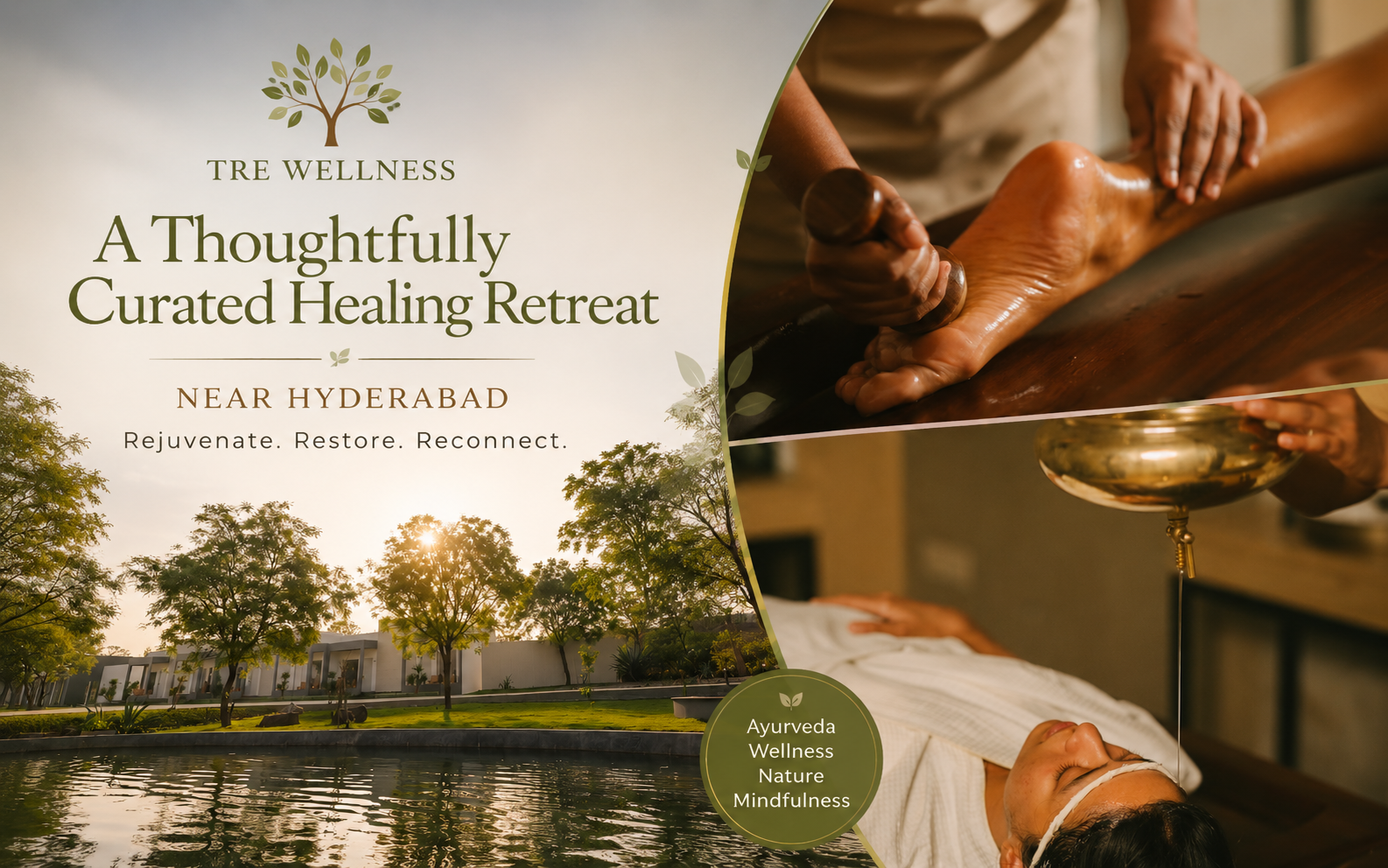
Tre Wellness: A Thoughtfully Curated Healing Retreat Near Hyderabad

Just two hours from Hyderabad, surrounded by open skies, birdsong, and the calming calls of peacocks, Tre Wellness feels more like a serene healing sanctuary than a typical wellness escape. Located in Kolkunda, the 20-room retreat blends Ayurveda, naturopathy, and mindful hospitality into a deeply restorative experience. Sinduri Vuppala shares her stay at Tre Wellness, where every detail is thoughtfully designed around holistic wellbeing. I honestly didn’t know what to expect before arriving. Wellness retreats often promise transformation, but very few manage to balance authentic healing with genuine comfort. Tre Wellness surprised me because it did both, thoughtfully, quietly, and without feeling performative. The experience began on a warm and welcoming note the moment we checked in. Before anything else, there was a detailed wellness questionnaire followed by a one-on-one consultation with the in-house doctor that lasted close to 30 minutes. It didn’t feel rushed or standardised. The doctors genuinely tried to understand lifestyle patterns, health concerns, stress levels, sleep habits, digestion, and overall well-being before suggesting therapies. What stood out immediately was how personalised everything felt. Rather than placing guests into fixed wellness packages, the team carefully blended Ayurveda and naturopathy based on individual needs. By lunchtime on the very first day, each of us already had a customised healing plan prepared. My therapies began with an Abhyanga massage, and from there, every treatment felt intentionally curated. Day two was Udwartana, an Ayurvedic dry powder massage therapy known for stimulating the lymphatic system and activating pressure points and improving circulation, while another involved a deeply relaxing potli massage. Reflexology is also given daily for around 15 minutes as part of the healing routine. There were also mud packs, liver treatments, water yoga, face yoga, detox therapies, and herbal treatments woven seamlessly into the schedule. Every guest follows a structured

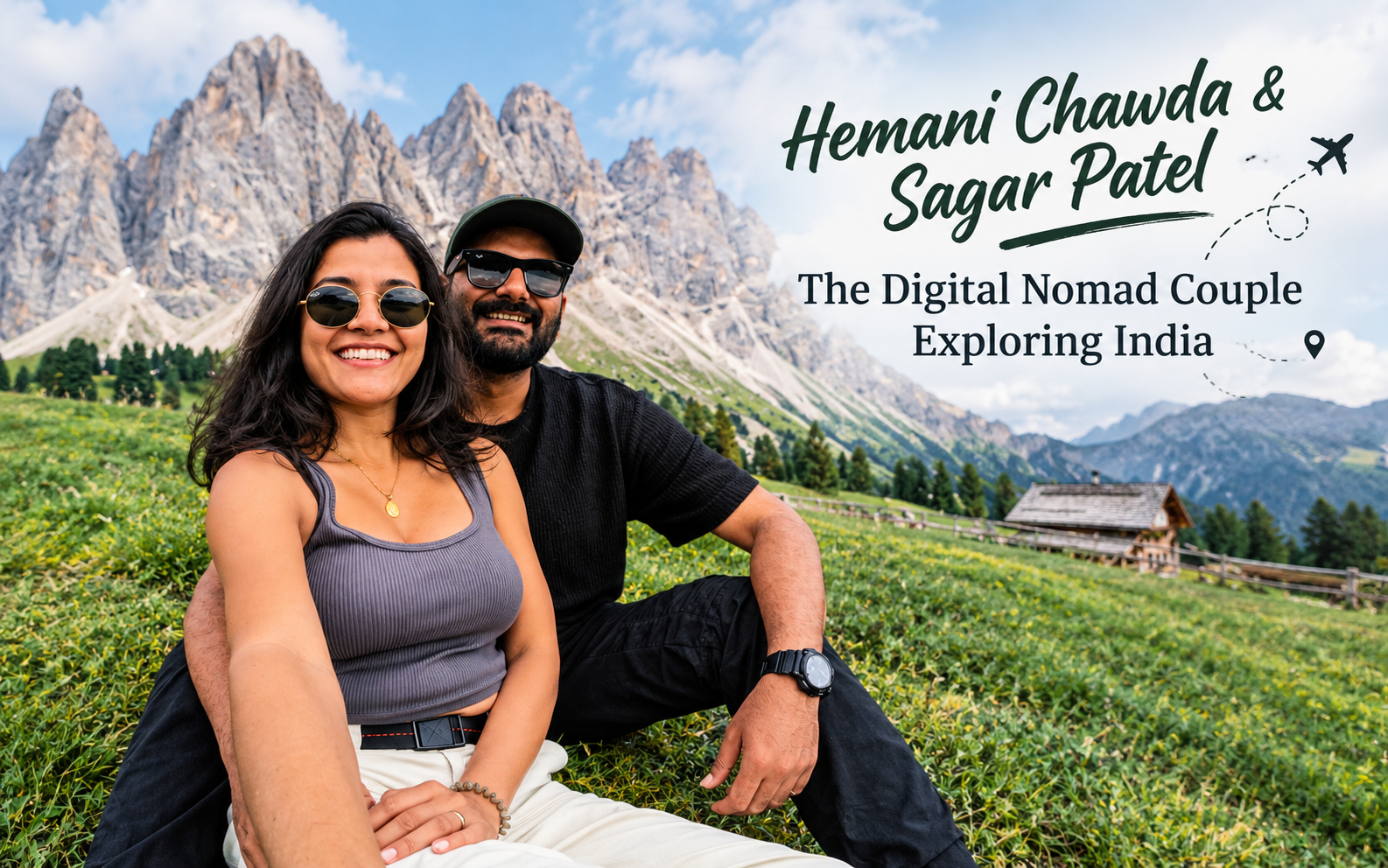
A Slower Side of Goa: Elements by Rosetta and Evenings at Ouzo Delmar

There’s a version of Goa that doesn’t try too hard to be seen. It’s quieter, a little more contained, and far more rewarding if you let yourself slow down. That’s the space Elements by Rosetta fits into. Set in Varca, slightly removed from the busier stretches, the property feels designed to hold you in, not isolate you, but gently detach you from everything outside. You’re close enough to the beach, but not constantly aware of it. Instead, the focus stays within, on space, light, and how you move through it. The layout is simple but effective. Low-rise blocks frame a central pool that becomes the heart of the property. Most rooms face into it, so no matter where you are, there’s always a visual connection to water. Check-in is smooth, without the usual over-explaining. You’re handed fresh coconut water, branded, yes, but still refreshing enough to land in your room, within minutes. Room tariffs typically range from ₹10,000 to ₹15,000, with higher rates for premium categories. The jacuzzi room with direct pool access is easily the one to pick. It changes the way you use the space entirely. You’re not scheduling pool time, you’re stepping in and out of it between everything else. The pool itself carries most of the day’s energy. Some people are stretched out with books, some in the water, others parked by the poolside bar, which adds just enough movement to keep things from feeling too still. It never tips into being loud, which is what makes it work. Mornings are slow. Afternoons are slower. Evenings naturally find their way back to the jacuzzi or a quiet corner of the property. It’s indulgent, but in a way that doesn’t feel forced. Beyond the obvious, the property is fairly well-rounded. There’s a small game room, a gym,

Eat Clean with Eshanka: Dubai to Delhi Wellness Journey

With her professional base in Dubai and strong roots in Delhi, Eshanka Wahi brings together global business acumen and deeply personal purpose. An alumna of the European Business School, London, where she earned her Master’s in International Business, and a BCom (Honours) graduate from Delhi University, her academic foundation is firmly strategic. But her real education, she says, came from lived experience. At 21, she returned to India to build her first company from the ground up. “Those early years taught me resilience, decision-making, and the courage to build something from scratch,” she reflects. By 23, she had expanded independently into Dubai, navigating a new culture and market. Each transition strengthened her belief in “intentional growth, self-leadership, and manifestation backed by consistent action.” Wellness as Philosophy Eshanka describes her professional identity as rooted in holistic wellness, conscious living, and culinary nutrition. “My work is not confined to a single title; it is an extension of my beliefs and the way I choose to live,” she shares. Her journey into wellness unfolded organically. What began as personal exploration evolved into a calling. “Wellness was never just an interest; it was a philosophy and a responsibility.” Through recipes, products, and immersive experiences, she aims to simplify well-being. “Wellbeing is not a luxury; it is foundational to how we show up in every role we play.” Soul-Driven Creation What distinguishes her brand is alignment. “Everything I create is deeply soul-driven,” she says. Nothing is trend-led or mechanical. Her recipes use ingredients she personally trusts; her products reflect practices she follows; her retreats are designed to foster genuine reconnection. “This alignment between my beliefs, my lifestyle, and my work naturally differentiates me,” she explains. “Everything is built from authenticity, intention, and soul.” A Pandemic Pivot During COVID-19, her primary company in corporate events and

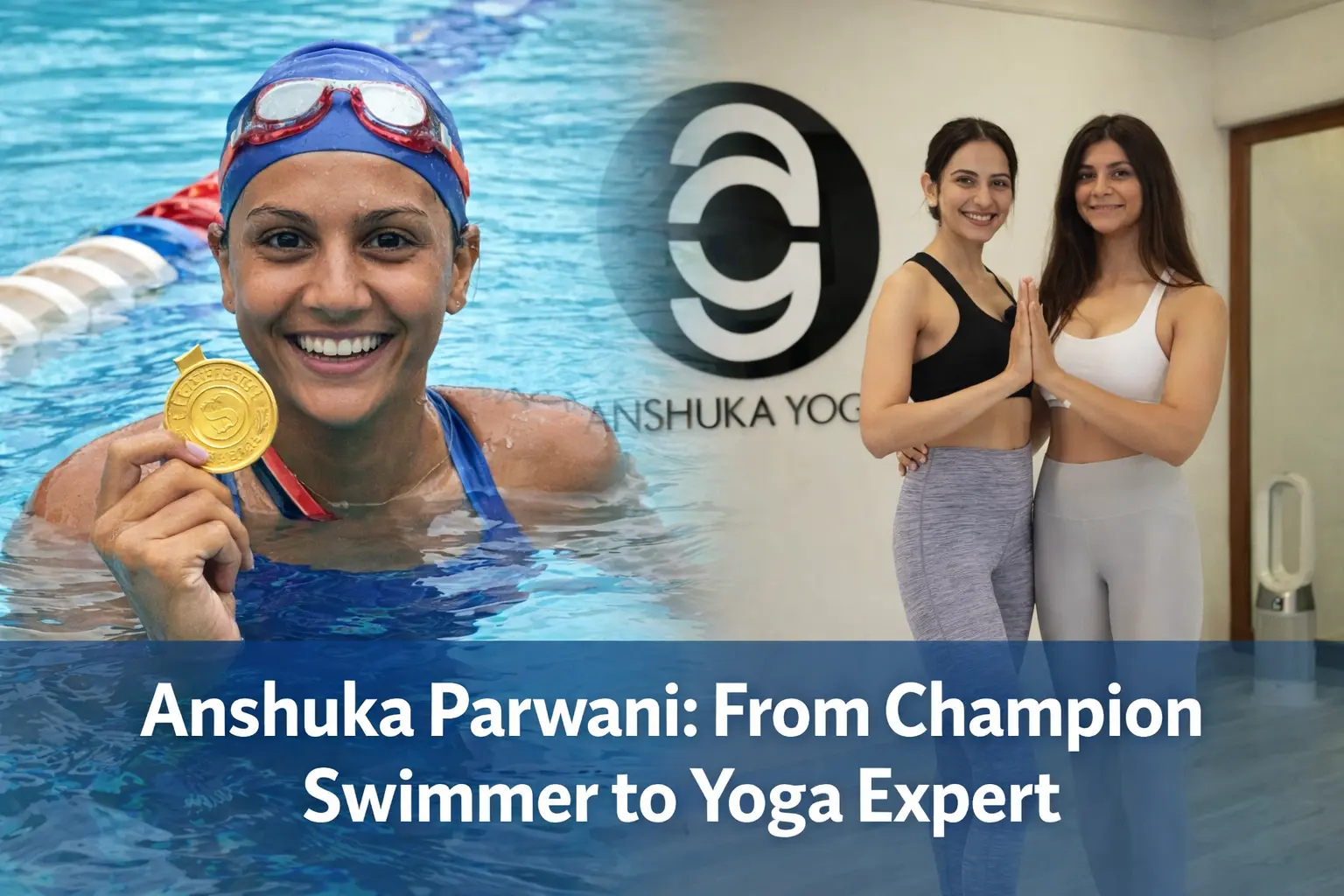
MUMBAI | Holistic Wellness Practitioner, Celebrity Yoga Expert & Founder, Anshuka Yoga

Anshuka Parwani’s life has always revolved around movement, but its meaning has evolved with time. A holistic wellness practitioner and celebrity yoga expert, she grew up learning yoga under her mother’s guidance, building an early foundation in mind-body awareness. Alongside that, she was a competitive athlete and went on to become a national-level gold medalist swimmer. Later, she trained as a commercial pilot, an experience that shaped her discipline, focus, and resilience. But it was a serious accident over a decade ago that altered her trajectory. “My recovery journey through yoga did not just rebuild my physical strength,” she reflects, “it transformed my understanding of healing, inner power, and holistic health.” That period of rebuilding reshaped not just her body, but her philosophy. Today, she channels that lived experience into her work, helping others discover strength, balance, and conscious living. Wellness as Foundation Anshuka describes herself as a wellness entrepreneur and educator. “I want people to reconnect with their bodies and their inner selves, and build strength in a holistic and sustainable way,” she says. Her approach is rooted in firsthand transformation, through movement, breathwork, mindful living, and conscious nutrition. For her, wellness is not indulgence; it is infrastructure. “When people feel stronger, calmer, and more balanced, it changes the way they live and relate to the world,” she explains. Personalised, Not Performative What sets her apart is her bio-individual approach. “No two bodies are the same, and wellness should reflect that uniqueness,” she says. Blending traditional yoga with functional movement and scientific application, she prioritises sustainability over spectacle. She rejects extremes and trend-driven practices. Instead, her philosophy centers on consistency, integrity, and authenticity. “Wellness is not about shortcuts,” she emphasises. “It’s about building a foundation that supports you for life.” Building Beyond the Studio From private sessions to retreats,

You May Also Like

Connect with us