Benefits of toning your skin

Good skincare is a prerequisite at any age. It strengthens and prepares your skin for graceful ageing.  Any skincare involving cleansing, toning and moisturizing can go a long way. Among the 3 steps, toning plays a major role in maintaining your skin.

Text: Mahati Salike

What is toning?

Toning involves the use of toners to cleanse the skin. A toner is a fast penetrating liquid that delivers skin a quick dose of hydration and helps remove dead cells. It should be used after washing your face. The result of which is a plumped and glowing skin.

Why use a toner?

 It helps shrink pores, get rid of dead skin cells and reveals fresher, newer and cleaner skin. It also lights up dull skin automatically. Using a toner regularly can have a positive impact on the appearance and the tightness of the pores.

What type of toner you must use?

Alcohol-based toners can cause skin damage depending on different skin types. It is mandatory to use alcohol-free toners. These are suitable for all skin types and helps rejuvenate your skin. 

Hashtag recommendations:

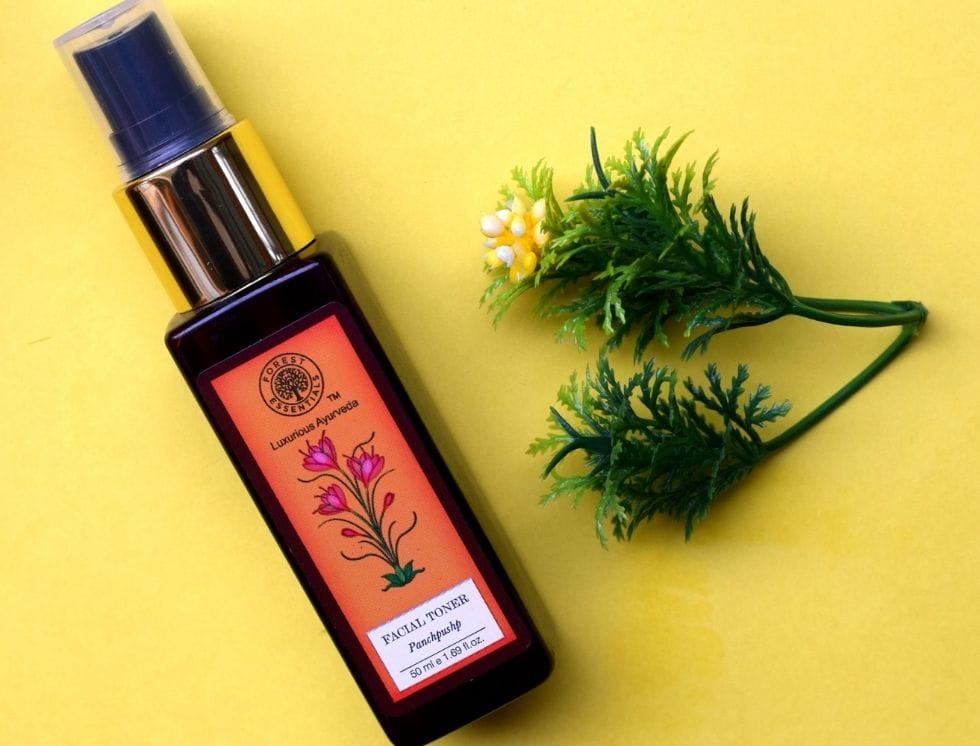
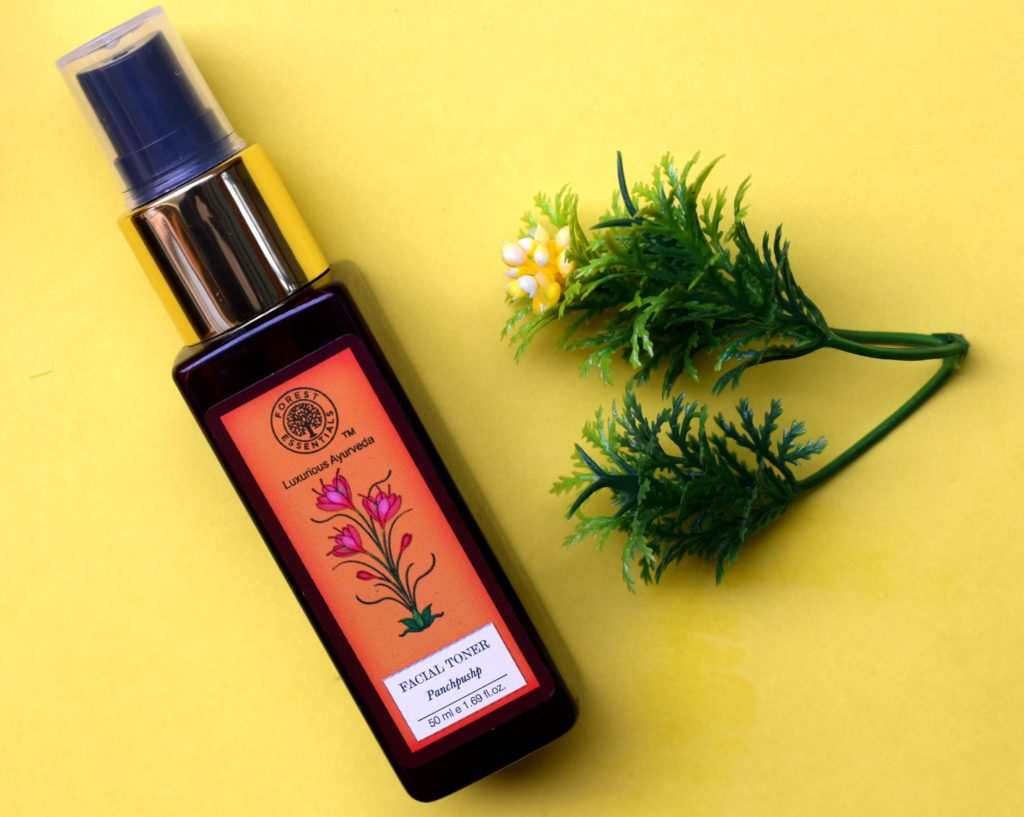
  1. Facial Tonic Mist – Panchpushp

Pure and active water-based facial toner panchpushp from Forest Essentials is made of 5 ayurvedic floral, fruit and herbal extracts. It naturally hydrates skin and grants a cooling effect. It helps tone the skin while minimizing enlarged pores.
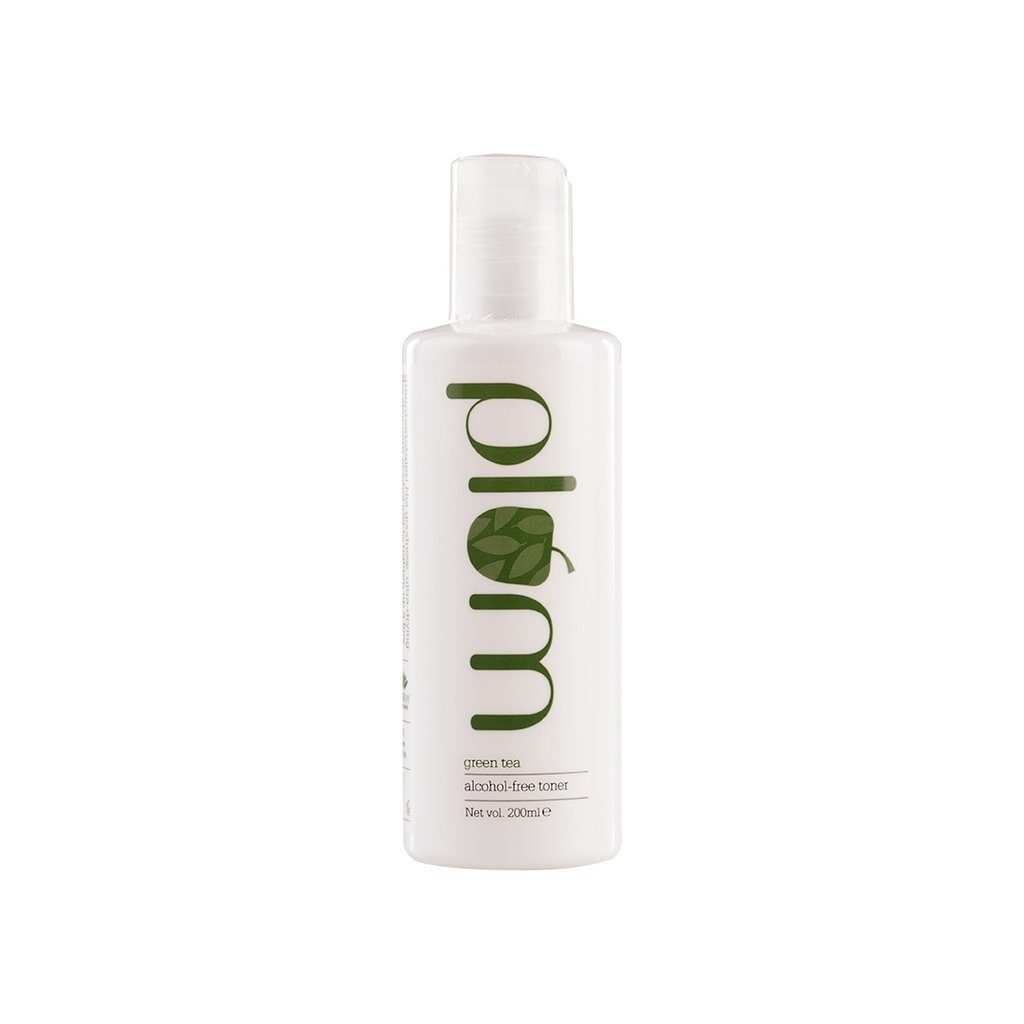
  1. Green tea Alcohol free toner

Plum’s green tea toner is an alcohol-free toner enriched with green tea extracts and glycolic acid that combats acne gently exfoliates and removes dead skin cells.
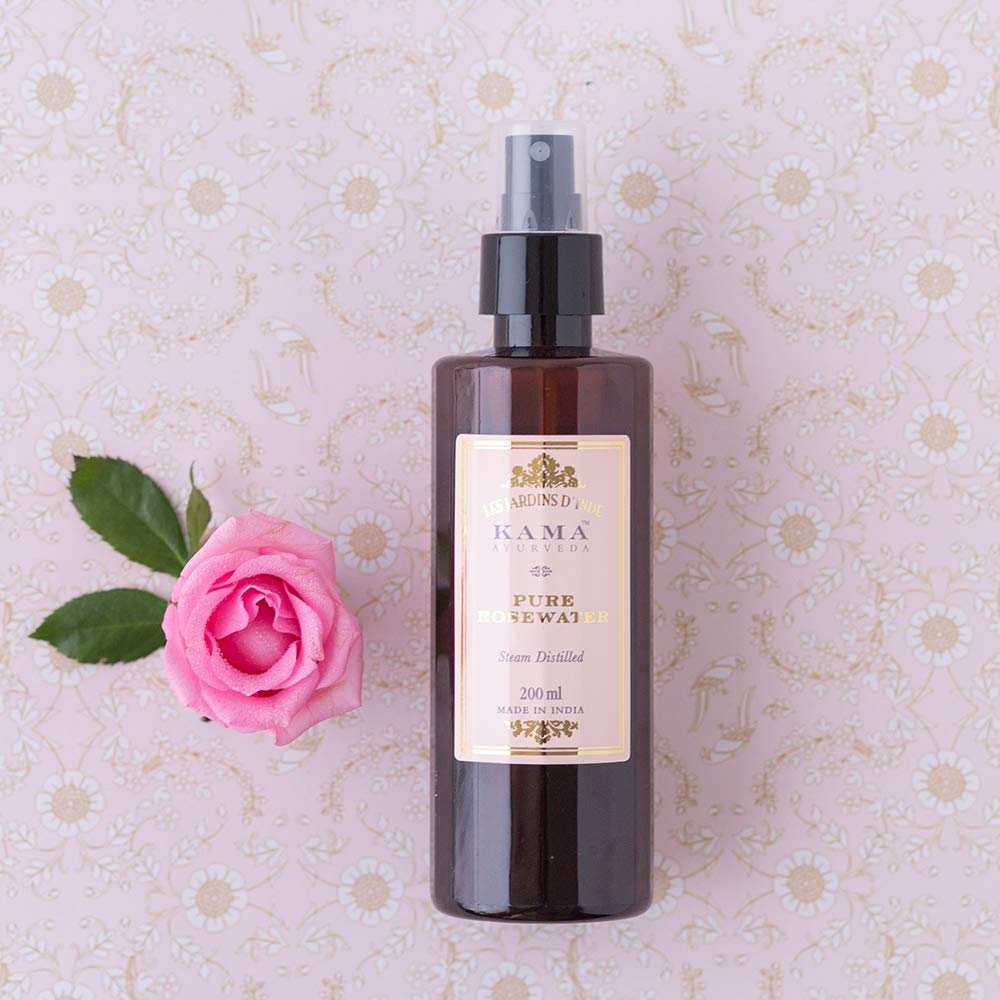
  1. Pure Rose water – Kama Ayurveda

This toner is made from the roses of Kannauj. It helps tighten pores, balance and restore skin’s pH level. This is perfect for someone with oily or acne-prone skin.
  1. Just Herbs 

Sacred Lotus – Green Tea Skin Recovery Toner is formulated for all skin types.  It is an Ayurvedic toner infused with the extracts of green tea, sacred lotus and floral extracts from roses and holy basil. The toner lessens dryness and emphasizes on refreshing the face, giving it a radiant glow. It is suitable for all skin types.

  1. Vitamin C Face Toner – Mama Earth

The toner comes loaded with the goodness of aloe vera, cucumber and witch hazel. It tightens and cleanses pores from within protecting skin from acne and breakouts.

Leave a comment

Your email address will not be published. Required fields are marked *

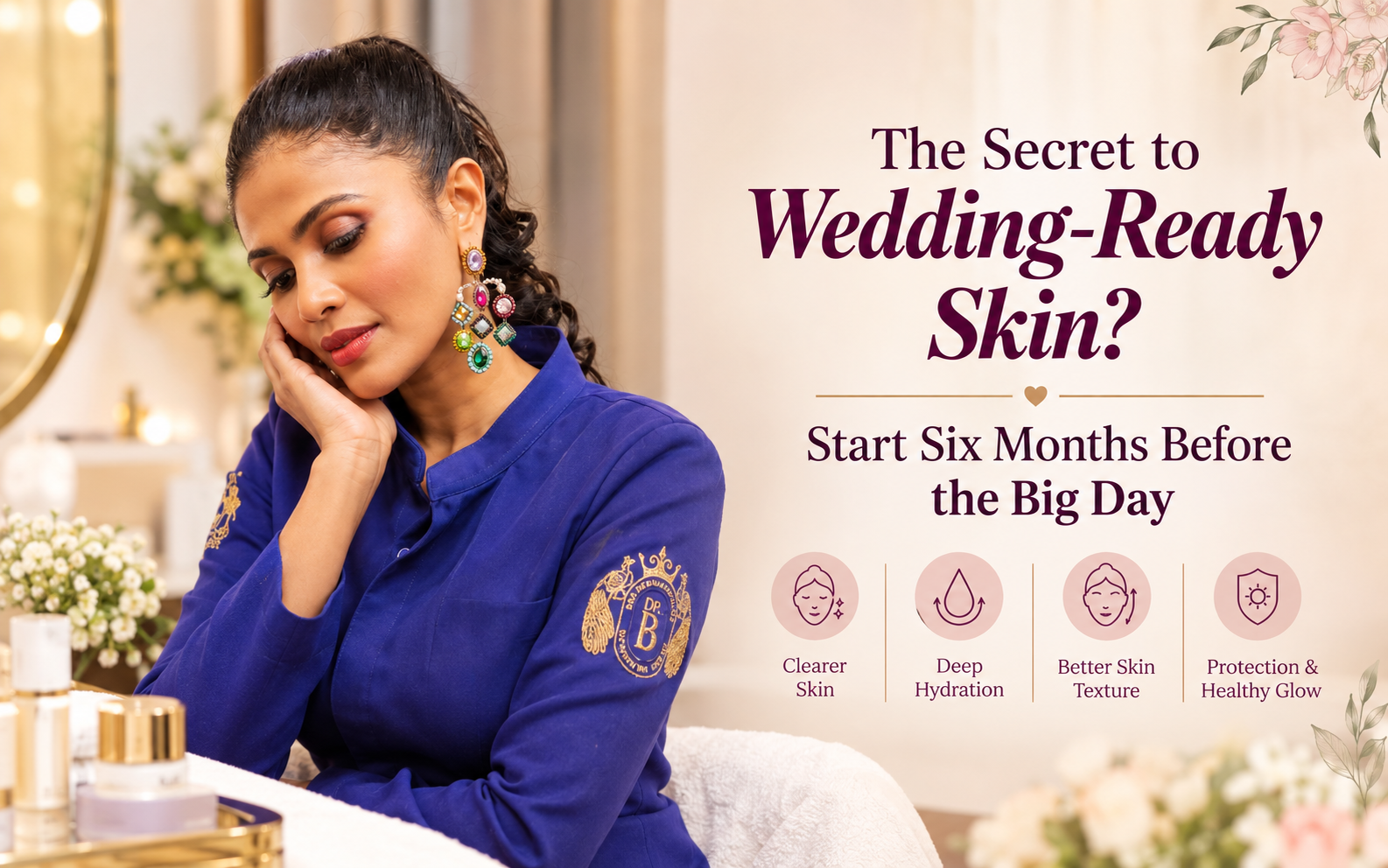
The Secret to Wedding-Ready Skin? Start Six Months Before the Big Day

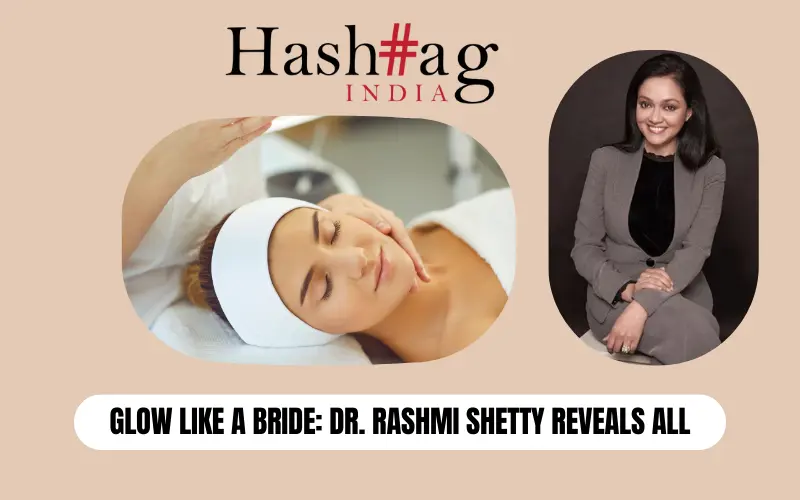
Dr Bhairavi Senthil is a Chennai-based dermatologist and founder of The Dr B 360 Dermatology Experiential Centre. Her advice for 2026 couples: skip the last-minute “bridal glow” fix; real results come from starting six months ahead, and the final few weeks should be about stability and hydration, not experimenting with something new. Skincare Trends 2026Couples are moving away from a last-minute glow and toward skin preparation as a long-term process. Brides want to look like themselves, just healthier and more even-toned; not heavily treated or made up. Grooms are becoming far more proactive about skincare and grooming too. There’s also a shift toward personalised, science-led routines over viral trends, and a growing focus on prevention and maintenance rather than dramatically changing how skin looks. Pre-Wedding Treatments & TimelineThere’s no universal best treatment; it depends on your skin and timeline. Ideally, meet a dermatologist six months before the wedding, earlier if there’s active acne, pigmentation or hair concerns, since collagen remodelling and barrier repair can’t be rushed. Peels, lasers, microneedling and injectables like botulinum toxin or fillers may all be options depending on the concern, but they all need proper consultation and time to settle. The golden rule: don’t experiment close to the wedding; the final weeks should focus on stability and hydration. Customising Skincare PlansIt starts with one question: what do you want your skin to look and feel like on your wedding day? From there, the plan factors in barrier health, pigmentation, acne, hydration, the wedding timeline, climate and even travel plans. A bride with pigmentation needs a completely different approach from someone dealing with acne or sensitivity, and sometimes the healthiest skin needs no procedures at all, just maintenance. The goal isn’t perfection. It’s healthy, balanced skin that lets you feel confident without hiding behind makeup.

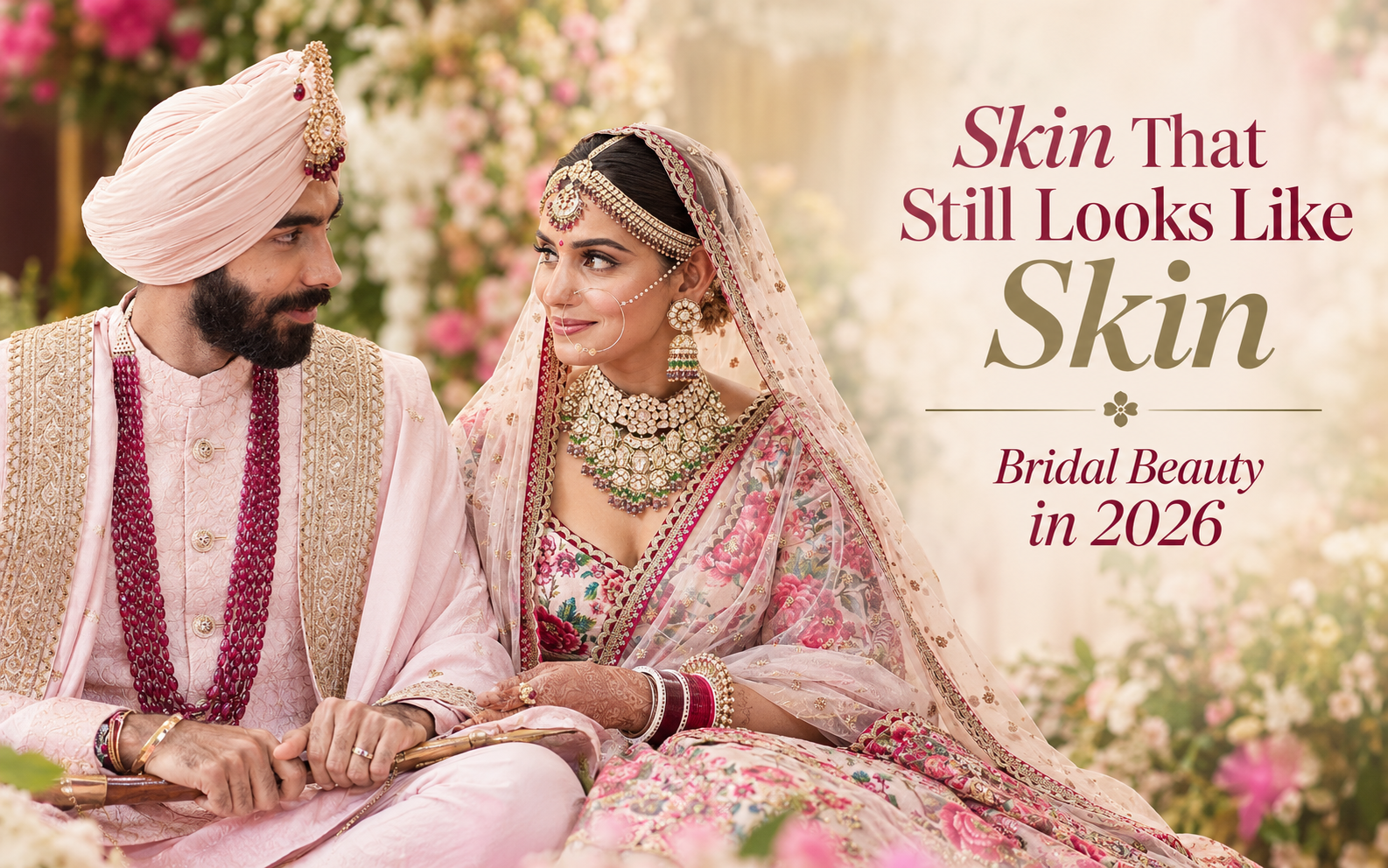
Skin That Still Looks Like Skin: Bridal Beauty in 2026

Celebrity makeup artist Bianca Louzado has spent over two decades in Indian beauty, from her start at India Couture Week working on Manish Malhotra to becoming one of the country’s most trusted names in luxury bridal makeup, with a portfolio that includes Jasprit Bumrah and Sanjana Ganesan, Randeep Hooda and Lin Laishram, and Radhika Ambani’s pre-wedding event. She breaks down why real bridal beauty starts weeks before the wedding, not the morning of, and why 2026 brides are choosing skin that still looks like skin over heavy, “done-up” makeup. What skin prep should brides start ahead of the wedding?Skin prep is about healthy, balanced skin, not last-minute transformation. Start a consistent routine 6–8 weeks out: gentle cleanser, moisturiser, daily SPF, and any new actives introduced early enough to see how skin responds. No experimenting in wedding week. In the final week, simplify: hydration, sleep, water, and skip aggressive treatments or picking at breakouts. Well-prepped skin means less product and a complexion that looks like skin, not a mask. What’s the biggest mistake brides make choosing their look?Picking a look because it worked on someone else, rather than one that suits their own features, outfit and personality. Chasing every trend at once is another; bridal makeup needs to photograph beautifully today and still feel elegant years later. References are useful, but they’re a starting point, not a blueprint. And don’t wait until the wedding morning to find your look; the trial is where that conversation happens. How has airbrush vs. traditional makeup evolved for 2026?The debate itself is outdated! It’s about what the skin needs. Brides want longevity without heaviness, especially for long Indian wedding days. Traditional techniques now allow thin, strategic layering with more control and natural dimension, and unlike airbrush, they can be touched up rather than redone entirely.

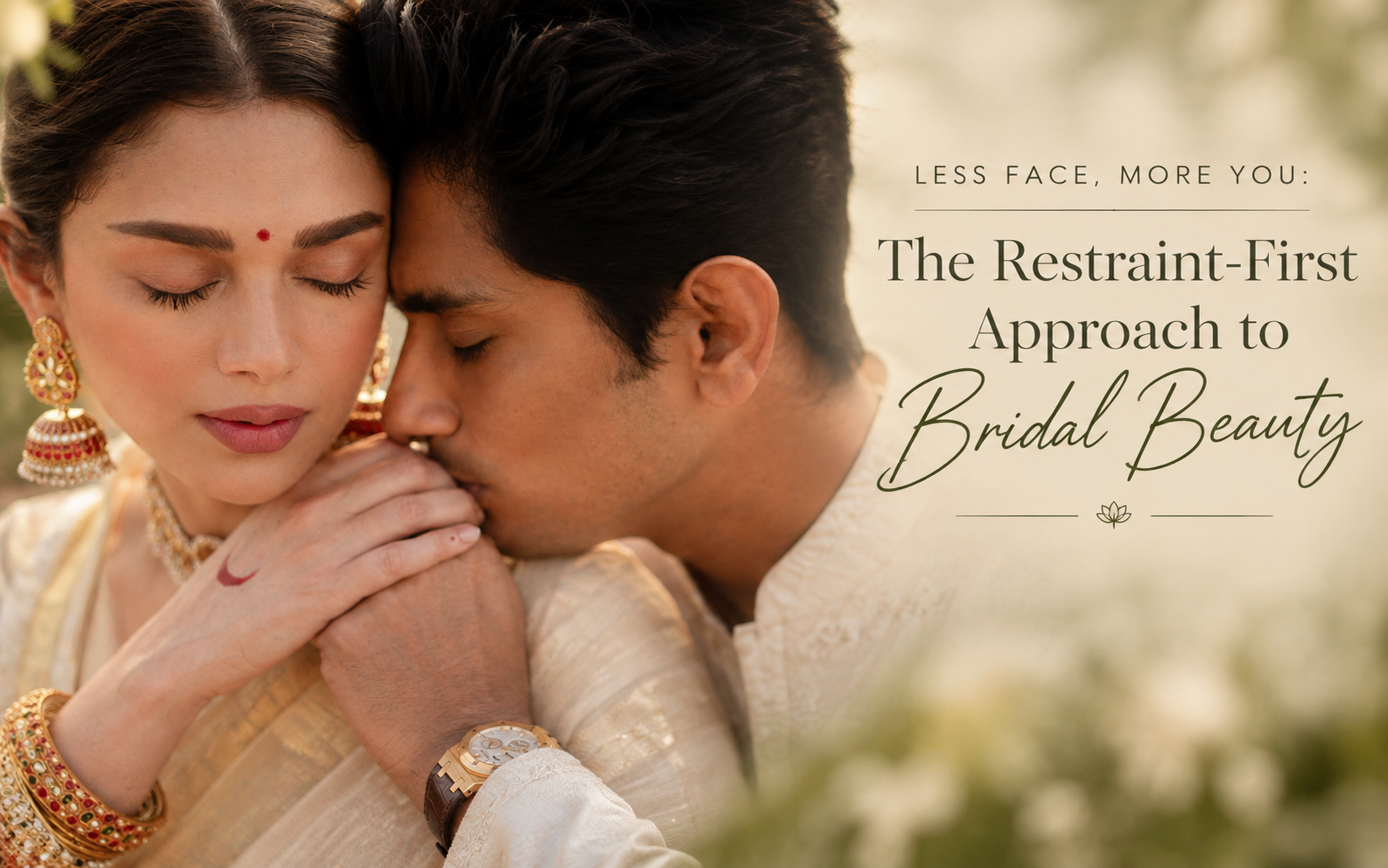
Less Face, More You: The Restraint-First Approach to Bridal Beauty

Mumbai-based makeup and hair artist Elton J Fernandez has spent nearly 25 years across fashion, advertising, celebrity, bridal and film work, from a nine-year run as Maybelline India’s spokesperson to backstage seasons at New York Fashion Week and India Fashion Week. Here, he makes the case for a very different kind of bridal beauty in 2026: less about a prescribed “bridal face” and more about restraint, identity and letting the woman herself remain present in the frame. What bridal makeup trends are defining 2026, versus 2025?The biggest shift is away from a prescribed bridal face. For years, trends travelled uniformly: the same brow, the same contour, accelerated by social media. Now brides want to recognise themselves in their photographs. That means skin that still behaves like skin, colour that responds to the person rather than the trend, and enough restraint to let the woman remain present. 2025 was about the look; 2026 is about the person wearing it. Has grooming for grooms become mainstream?Yes, but the bigger shift is that men are less afraid of being seen to care. Grooming today often means correcting fatigue or balancing skin rather than looking visibly “made up”; the best work is often invisible. The principle stays the same as with brides: understand who’s in front of you before deciding how much intervention is actually needed. How do you approach daytime ceremonies versus evening receptions?Daylight doesn’t automatically mean less makeup, and evening doesn’t mean more; context matters more than the clock. Light, climate, photography, jewellery and ceremony all shape the decision. Indian bridal beauty already carries so much visual information: textiles, jewellery, ritual- that makeup doesn’t need to compete for attention. Sometimes the most sophisticated choice is knowing what to leave alone. After 25 years, what’s changed most in how you see a face?Early

From Creator to Founder: Sarah Sarosh’s Impulse Journey

Sarah Sarosh’s foundation lies in her training in Occupational Therapy at KEM, Mumbai, a discipline that shaped her understanding of behaviour, confidence, and well-being far beyond textbooks. “It trained me to look at self-image and lifestyle as more than surface-level experiences,” she explains. That holistic lens continues to influence how she creates and builds today. Raised in a middle-class household, she learned early that stability comes from discipline, not shortcuts. There was no predefined creative roadmap or safety net, which meant resilience and independence were cultivated organically. Her personal struggles with acne and self-image also played a defining role. “It made me more observant of how deeply appearance is tied to confidence and belonging,” she says. That sensitivity now informs her approach to beauty, representation, and storytelling. Where Storytelling Meets Building Sarah describes her work as a blend of storytelling and entrepreneurship. “Content and business may look separate from the outside, but for me they stem from the same instinct, the desire to create something meaningful.” Her content journey began while she was still a student, documenting beauty, health, and self-image through lived experience. Entrepreneurship followed with the launch of Impulse Coffees, born from identifying a gap in how instant coffee was positioned in India. “It was widely consumed but rarely treated with care or storytelling,” she notes. Building Impulse introduced her to sourcing, product development, packaging, and customer experience, expanding her role from creator to founder. “Storytelling helps me understand people. Building helps me translate that understanding into something tangible.” Real, Not Remote “At its core, my work is about documenting life as it unfolds,” she says. Rather than presenting polished perfection, Sarah has consistently allowed her audience to witness transitions, uncertainties, and growth in real time. “It feels less like performance and more like continuity.” She is most

You May Also Like

Connect with us