Everything You Need to Know About Gardening

Everything You Need to Know About Gardening

Being locked up in our houses in this pandemic a lot of us were longing for new hobbies and activities. In conversation with AVANTHIKA REDDY, experts from the gardening community share some basics of gardening that could get you started with your new hobby.

DECODING GARDENING WITH MAKE ME GARDEN

Instagram: @makemegarden

Make Me Garden is a Hyderabad-based gardening company that helps you set up your very own kitchen garden. Make Me Garden believes that gardening is a deep hidden skill with every individual who is curious to unravel a new skill that eventually becomes a part of their lifestyle. Here are some basic recommendations from the experts:

  1. START SMALL GROW BIG

Always have a small garden first, keep exploring different plants on a lower scale, try your hand at it and onc you are totally convinced,roll it out grand.

  1. NEVER OVER DO YOU GARDEN

Keep your garden simple and beautiful, do not overdo it with unnecessary fillings that do not support the plants. Instead go with products that aren’t just beautiful but also provide benefits to your plants.

  1. DO NOT TRUST ALL THE PRODUCTS THAT COME YOUR WAY Sometimes

products that have manipulative marketing strategies might not be helpful for your plants instead they can be extremely harmful . Be cautious while choosing products for your plants.

ACCESSORISE YOUR GARDEN WITH GARDENLY

Instagram: @the.gardenly

Gardenly, a garden accessory company shares with us an insight about their brand and how they ace it in the gardening businesses.

  • Inspiration behind the project:

“We have loved craftworks since our childhood and made varieties of scrapbooks, greetings cards with much care and creativity. Such stuff was not available to buy anywhere, especially that would recreate our memories like we wanted to. In addition, we loved gardening right from when we were kids. We thought why not incorporate gardening with crafts and make a beautiful product out of it. That very thought led us to experiment on multiple ideas and create the product line we currently have.

  • Brand USP

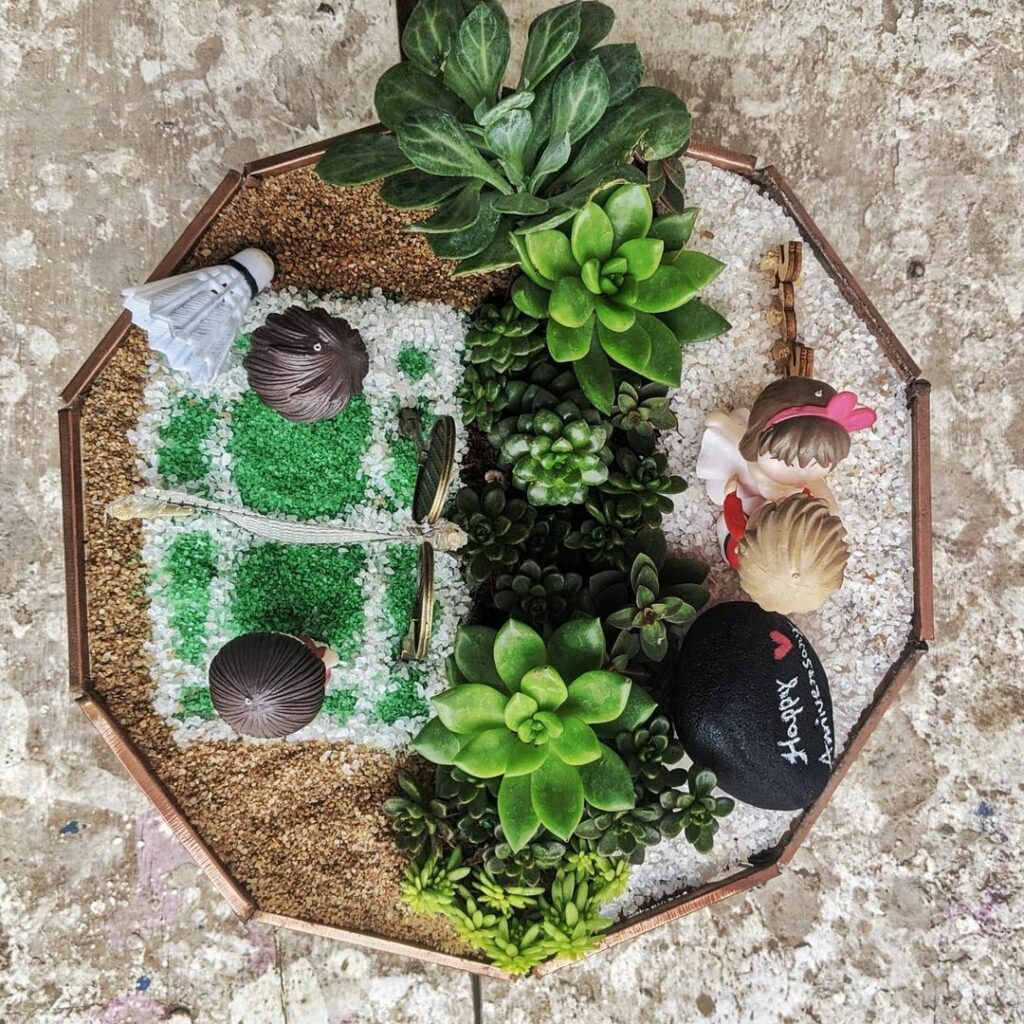
“We have created a gifting brand that aims to deliver to people positive emotions that can create or recreate most memorable moments of their lives. We offer the experience through our customised products. The core part of all our gifts are plants and customised miniature figurines that our. We use plants such as succulents and cacti, which are easy to maintain. The miniatures could be a replica of paneer tikka, a beer mug, a camera or an entire setup of date night a lovely couple had! The variety of themes are limitless.

  • Price Range

The price range starts from as low as INR 300 and can go up to INR 12000, including a variety of plants, customised themes, miniatures, and other gift hampers.

  • Bestsellers

We sell custom made terrariums, miniature gardens and macrame holders for plant pots. We often collaborate with a few local brands for hampers, which are gifted to celebrities, social media collaborators or delivered just as an order to our clients. We offer landscaping – from office spaces, homes to a mere patio or a balcony.

Must Haves for Your Home Garden:

Top 3 Flowers:

  1. Marigold
  2. Begonias
  3. Moss rose

Top 3 Fruits

  1. Strawberries
  2. Apple berry
  3. Lemon

Top 3 Veggies

  1. Tomato
  2. coriander
  3. spinach

HOW TO START A BASIC GARDEN?

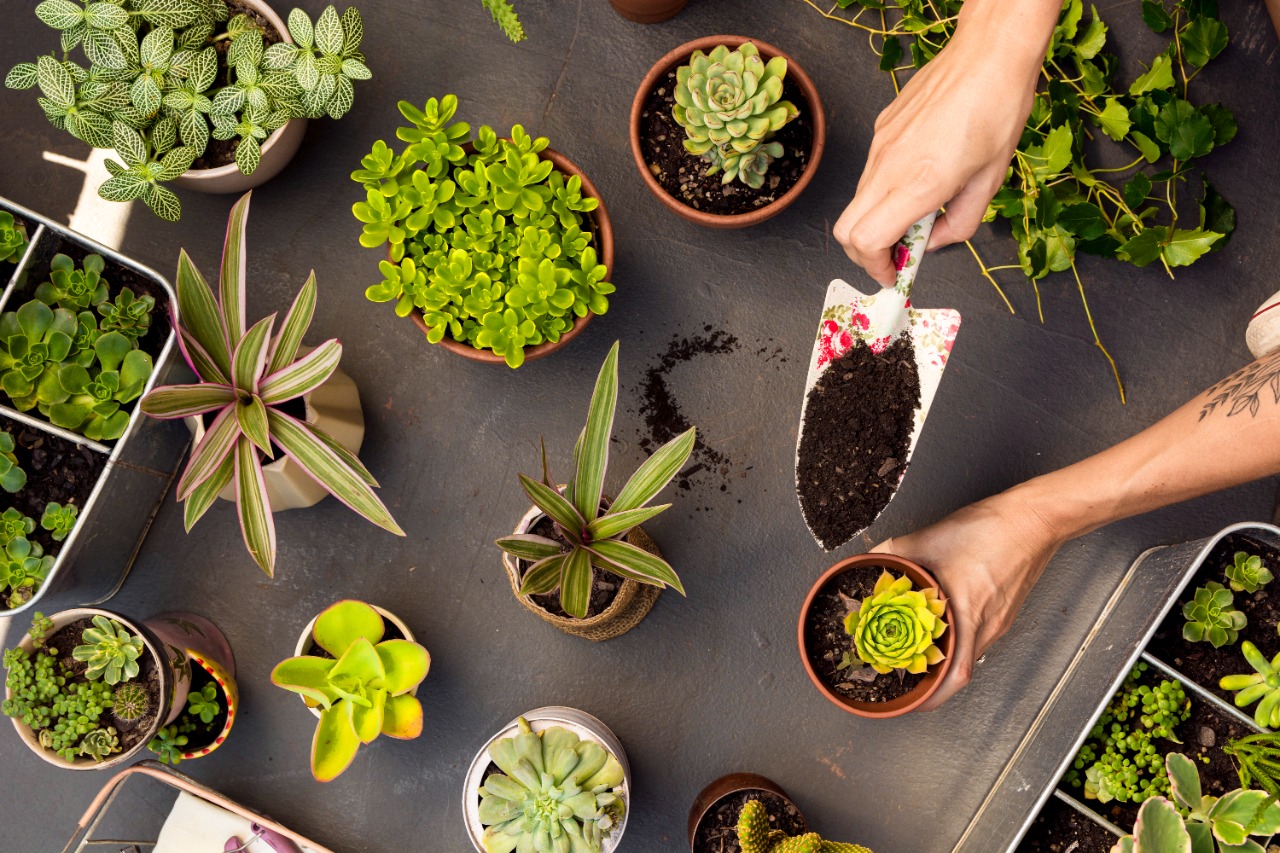
Setting up a basic garden could be very easy. For your initial step you can try doing it with things in and around your house.

  1. First thing you’ll have to do is look for an old container/bowl which does not absorb water, add small drain holes in the bottom of the container. Make sure the holes aren’t really big if not they will let out the soil too.
  2. Add some red soil/ potting mix which is readily available .
  3. Try finding seeds from vegetable leftovers like tomato seeds, pumpkin seeds, cucumber seeds, dry basil seeds etc.
  4. Sprinkle water proportional to the size of the container till the saplings grow 4 inches long.
  5. Herbs/leafy vegetables can be continued in smaller containers and vegetables can be shifted to bigger containers or to the ground directly.


Leave a comment

Your email address will not be published. Required fields are marked *

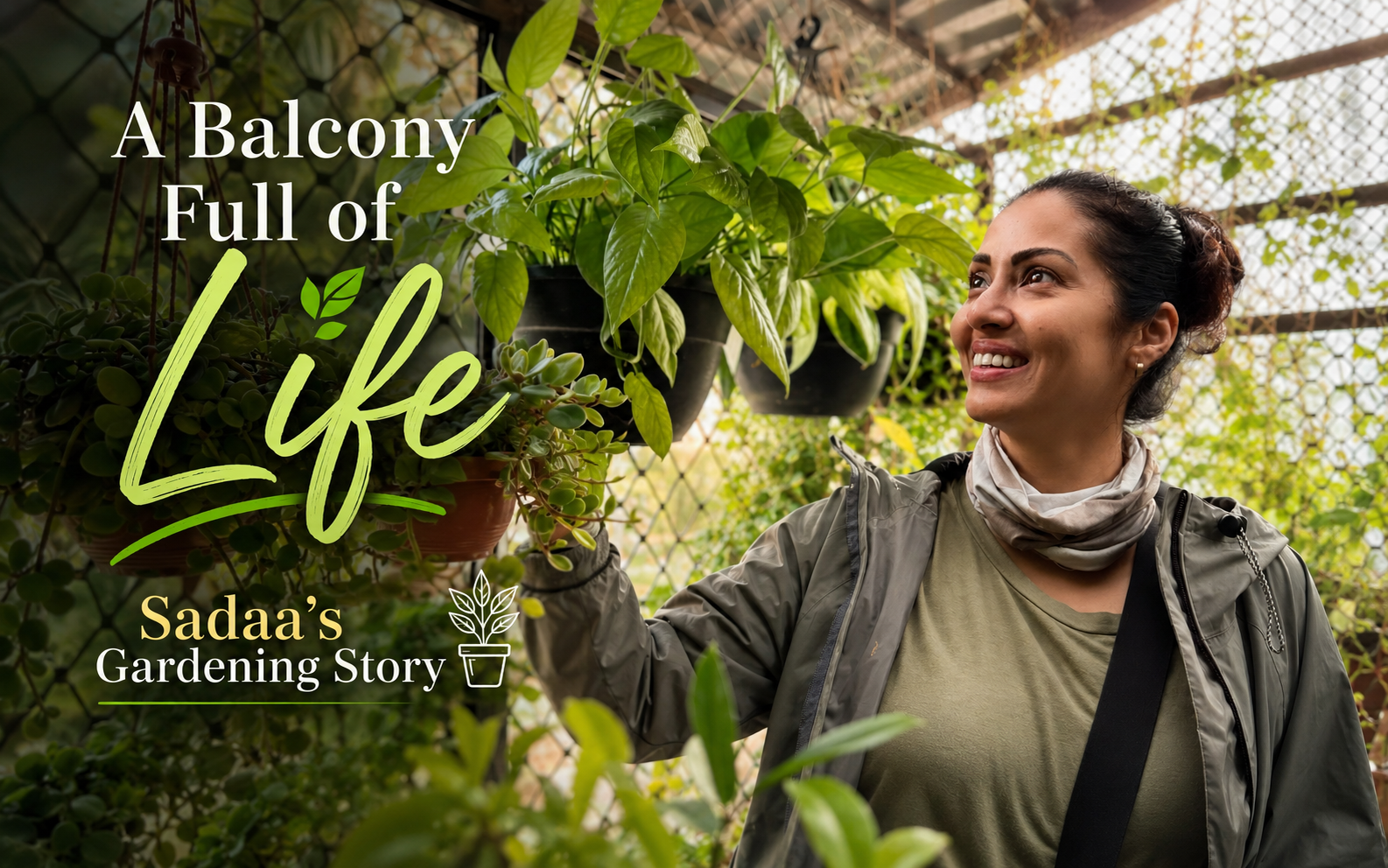
A Balcony Full of Life: Sadaa’s Gardening Story

For actress Sadaa Sayed, best known for films like Jayam, Anninyan, Aethirree, etc., gardening wasn’t a lifelong passion; it was something that gently found its way into her life, one phase at a time. What began as a quiet act of rescuing dying plants during the stillness of lockdown slowly transformed into a deeply personal journey of healing, especially after the loss of her father. Today, her balcony is a thriving sanctuary of over 200 plants, with a special love for the delicate yet resilient Hoya family. But beyond the numbers and rare collections, it’s the emotional connection that defines her space. In an exclusive tête-à-tête with M Priyanka Goud, Sadaa shares how her garden is more than just greenery; it’s where grief softened, routines found meaning, and life, in its most organic form, continued to grow.” Her journey towards gardening Gardening found me in phases. Growing up, I watched my father lovingly tend to everything, from chikoo and coconut trees to mango trees and vibrant flowering plants. But back then, I never felt that connection. Even later, in our Mumbai home, while my parents cared for hibiscus, tulsi, curry leaves, and humble money plants in our balcony, I remained a distant observer. It was only during the lockdown that something shifted. I began rescuing dying plants I’d see outside shuttered shops, bringing them home and nurturing them back to life. That’s when I discovered my love for foliage, collecting varieties like Hoya and surrounding myself with greens that felt quietly alive. Life got busy again, and I was left with only the hardy ones, money plants and philodendrons, while delicate beauties like calatheas slowly faded away. Gardening became therapy through life’s phases After losing my father, I returned to my plants in a completely different way. Repotting root-bound greens

How to Keep Your Home Cool without Increasing AC Bills

When summer arrives in full force, so do the electricity bills. The air conditioner becomes your best friend, and also your biggest expense. But what if you could enjoy a cool, comfortable home without watching your energy costs skyrocket? The good news is, you can! With a few strategic changes and smart habits, it’s possible to reduce heat indoors while keeping AC usage efficient and affordable. Dhanush Kumar brings you a practical, lifestyle-friendly guide to staying cool without overloading your electricity bill. Block the heat before it enters The easiest way to cool your home is to stop the heat at the source. Close curtains and blinds during peak sun hours. Sunlight streaming through windows can significantly raise indoor temperatures. Use thick curtains, blackout drapes, or reflective blinds during afternoon hours. Light-coloured curtains work best as they reflect heat instead of absorbing it. Additionally, using window films, which are heat-reflective and affordable, can reduce solar heat gain without darkening your home too much. Switch to Energy-Efficient Lighting Traditional incandescent bulbs generate heat. Switching to LED lights not only lowers electricity consumption but also keeps rooms cooler. LED bulbs consume less energy and emit minimal heat, a small change that makes a noticeable difference during peak summer. TIPS Let Air Circulate Naturally Good airflow reduces dependence on air conditioning. Cross Ventilation is Key Open windows early morning and late evening when temperatures are lower. Allow fresh air to circulate naturally. Use Ceiling Fans Smartly Ceiling fans don’t cool the air; they circulate it. But that circulation helps sweat evaporate faster, making you feel cooler. Pro tip: Set ceiling fans to rotate counter clockwise in summer for a cooling effect. Seal Gaps and Insulate Properly Cool air escaping means your AC works harder. Close gaps around doors, windows & AC vents. Use

Dinaz’s Décor Diaries 2025: Wedding Trends & Tips

Nestled comfortably between luxury and elegance, Dinaz’s eye for imaginative design and impeccable execution creates multi-layered décor and immersive experiences that delight all the senses. From vintage elegance to contemporary glamour, Design & Décor by Dinaz has grown into a trendsetting firm curating celebrations that remain rooted in memory. From Ambanis to the Ram Charans and the who’s who of the country, weddings feel incomplete without her touch. Here, Dinaz shares her expert insights on wedding décor in 2025. 1.What are the most prominent wedding decor trends you’re observing across India in 2025?This year, weddings are less about grandeur for its own sake and more about experiences. Décor is becoming highly immersive each wedding tells a story through layered themes, curated art, and thoughtful detailing. Couples are leaning towards fusion concepts traditional Indian elements blended seamlessly with contemporary luxury. 2.In your view, what is the single biggest decor transformation shaping Indian weddings this year?The biggest transformation is the rise of personalisation at scale. Even the largest celebrations are designed to feel intimate and meaningful, where every detail reflects the couple’s journey. Décor has shifted from just visual beauty to becoming a medium of storytelling. 3.Which colour palettes are dominating the season? Have you noticed any surprising comebacks?We’re seeing muted pastels paired with regal jewel tones sapphire blues, emerald greens, and deep burgundy. The surprising comeback is gold but not in its loud avatar; instead, antique, and brushed gold accents are adding understated richness. 4.Are couples leaning more towards luxurious opulence or sustainable minimalism in their decor choices?Interestingly, they want both. Couples are very conscious today they desire the glamour and drama of a luxury wedding, but with choices that reflect responsibility and mindfulness. So, the décor is opulent in aesthetic but minimal in waste, a balance of indulgence and intent.

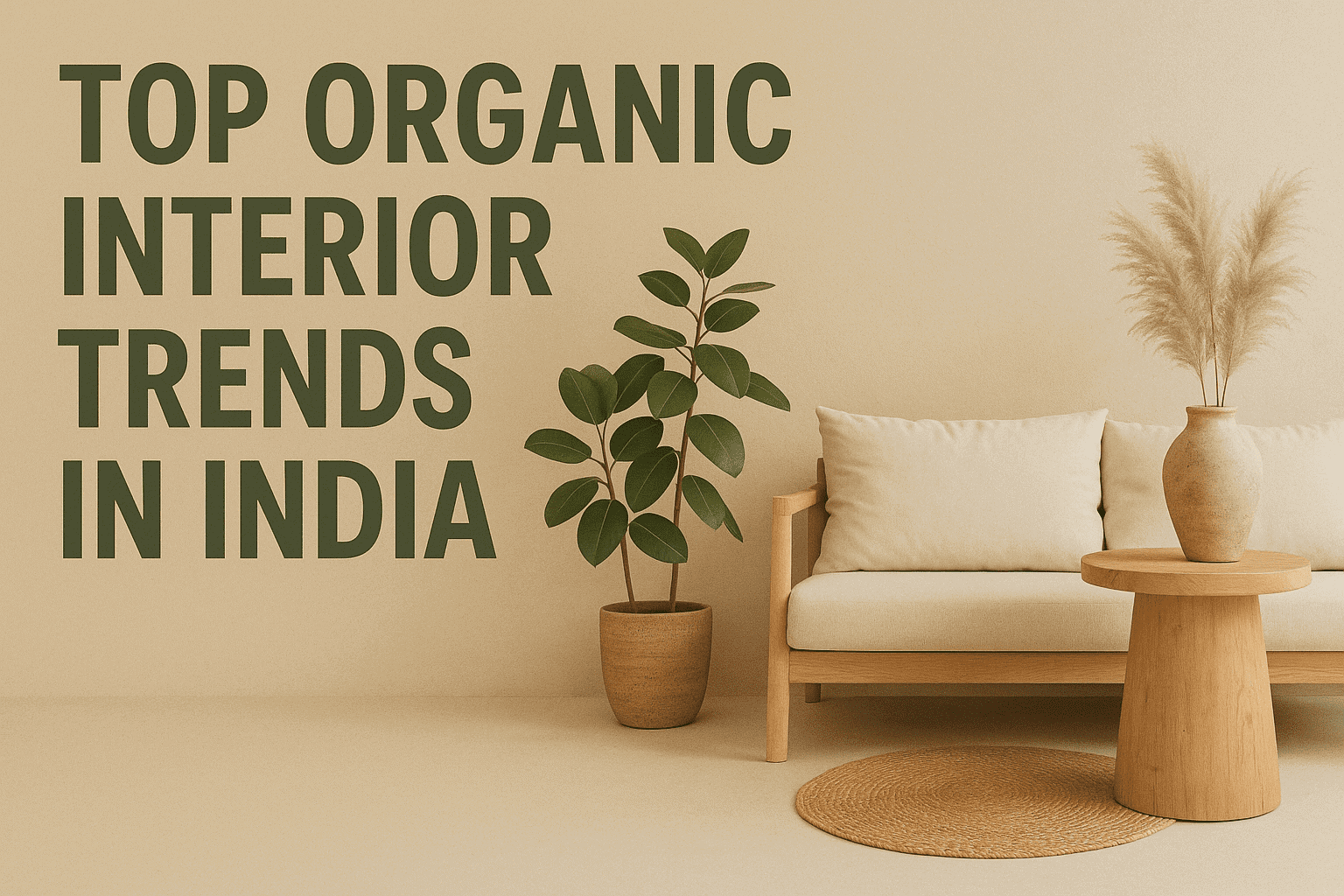
Embracing Organic Interior Trends in India: A Return to Nature at Home

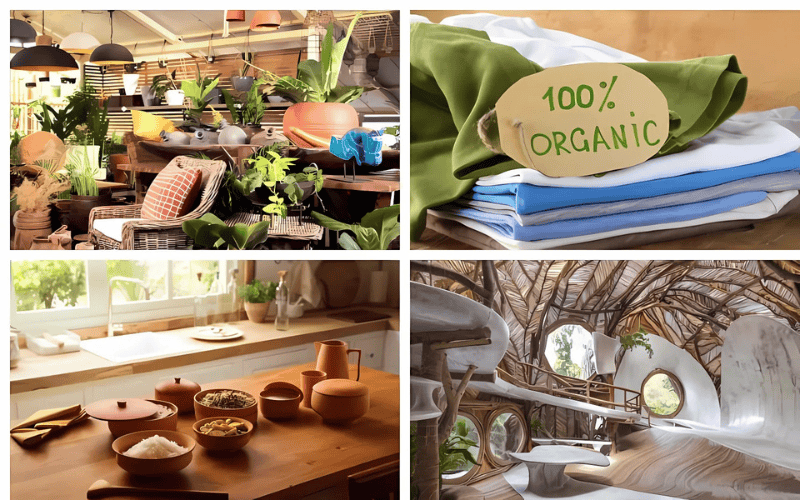
In an age of hyperconnectivity and urban chaos, Indian homeowners are increasingly turning inward — quite literally — to create organic, nature-inspired interiors that soothe the senses and connect with tradition. Whether it’s the rustic charm of mud-plastered walls, the calming presence of indoor plants, or the earthy textures of jute and cane, the shift towards organic design in India is both aesthetic and deeply rooted in cultural heritage. This movement isn’t just about trends — it’s about sustainability, well-being, and reconnecting with indigenous materials. What Are Organic Interiors? Organic interior design is about incorporating natural elements, textures, colours, and materials into your living space. It emphasises sustainability, biophilic design, and the use of locally-sourced, eco-friendly materials. In India, this translates beautifully through the use of: Why Organic Design Makes Sense in the Indian Context India’s rich heritage in vernacular architecture and handcrafted decor makes it a fertile ground for the organic trend. From the thatched roofs of Kerala to mud homes of Gujarat, Indian living has long embraced natural design, long before it became a global trend. Top Organic Interior Trends in India and How to Incorporate Them 1. Earthy Colour Palettes Use shades like terracotta, olive green, sand, ochre, and clay to evoke a grounded, warm feel. Tip: Use lime-washed walls or clay-based paints for an authentic and toxin-free finish. 2. Sustainable Furniture Choose reclaimed wood, bamboo, rattan, or handcrafted cane furniture. Tip: Brands like Baro Design (Mumbai) and Phool Patti (Lucknow) offer handcrafted, eco-conscious furniture made by Indian artisans. 3. Indoor Plants as Living Décor Biophilic design is central to organic interiors. Plants improve air quality and aesthetics. Tip: Try low-maintenance plants like snake plant, money plant, or areca palm. Place them in terracotta pots or brass planters for a traditional touch. 4. Handmade and Textured Fabrics

You May Also Like

Connect with us