
Evil Eye Jewellery trend

Evil Eye Jewellery trend - Hashtag Magazine

Evil Eye is a truly democratic concept, evading religious barriers. The concept of the evil eye had existed and still exists in multiple cultures of Greece, Rome, Turkey, and India. This strong belief is the reason behind the craze with evil eye jewellery. P. Manisha gives a lowdown about the trend and its significance. 

Evil Eye from the cultural perspective
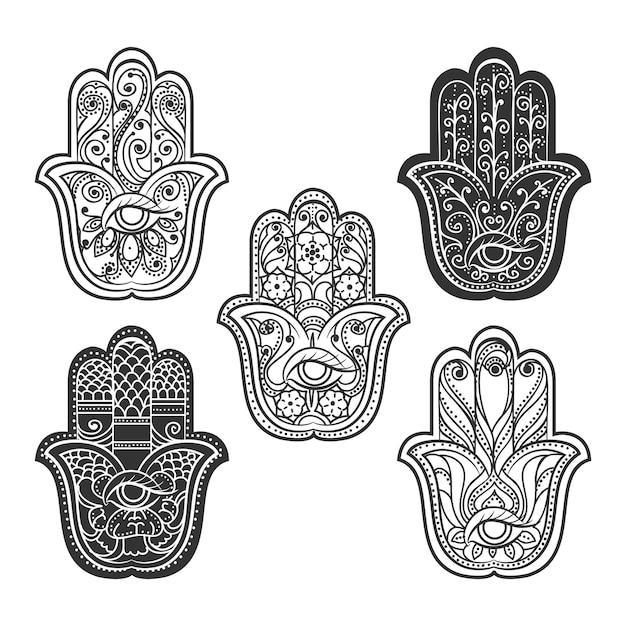
Indian hamsa hand with eye. spiritual ethnic ornament, vector illustration

Quite popular in the Mediterranean and Asian regions, the evil eye jewellery holds a sacred and holy significance. As mentioned in many religious and cultural texts including Quran and Bible, the eye is believed to be a powerful human organ capable of radiating positive or negative energies.

Thus, an enviable or a stare filled with hatred, commonly known as nazar in India is said to be the harbinger of negativity or bad luck. To combat this, evil eye jewellery originated as a sort of charm mostly bestowed as a gift from loved ones in history.

Evil Eye Jewellery in the modern world

The modern world is a mixture of firm believers and atheists, thus in this scenario, the evil eye jewellery personifies as both beautiful jewellery and strong charms. To all the fashionistas as well as believers, the evil eye jewellery comes in many colours, each holding its significance explained below-

Blue Evil Eye: Symbolizes hope, peace, and protection

Red Evil Eye: Represents courage and strength

Black Evil Eye: Prosperity and Power

White Evil Eye: Purity, focus and overcoming obstacles

Green Evil Eye: Success, Health, freedom, and happiness

Yellow Evil Eye: Relief and Concentration

Purple Evil Eye: Imagination and Relationships

Orange Evil Eye: Commitment and Motivation

Brown Evil Eye: Protection from elements of nature

Transparent Evil Eye: Sanity and clarity

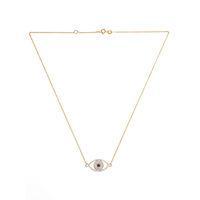
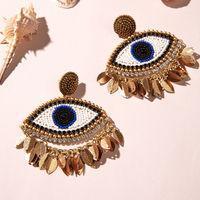
Evil Eye Jewellery from Pipa Bella by Nykaa Fashion

Evil Eye Popularity among celebrities-

From Kim Kardashian to Gigi Hadid, many celebrities have taken a liking and started the trend of evil eye jewellery. Gigi Hadid and her former partner Zayn Malik wished for their first pregnancy with 14k gold evil-eye bracelets.

The Duchess of Sussex, Meghan Markle also debuted a series of evil eye accessory collections that instantly became a hit.

The luxe fashion house, Outhouse; Janavi’s Talisman collection, Olivia Dar’s collection, and the currently biggest fashion retail business Nykaa endorse and sell evil eye jewellery collection as an independent section in their stores. 

Be it as the most featured form of necklaces, or bracelets, the evil eye jewellery has also overpowered the fashion accessories of earrings, rings, anklets and even mangal sutras.

The collection of jewellery is also one of the best gifting options since it perfectly engulfs the emotional aspect uncompromising on the styling and fashion sense.

Some of the brands having the Evil Eye Jewellery collection include TALISMAN, EK, Evil Eyes India, Swaasha, Joker & Witch, Nykaa Fashion and more.

Conclusion: Whatever significance the jewellery might hold, it has been proven that this jewellery certainly stands as a style statement- the ancient gravity and the cult mysteriousness adding to the charm of this charm.

Leave a comment

Your email address will not be published. Required fields are marked *

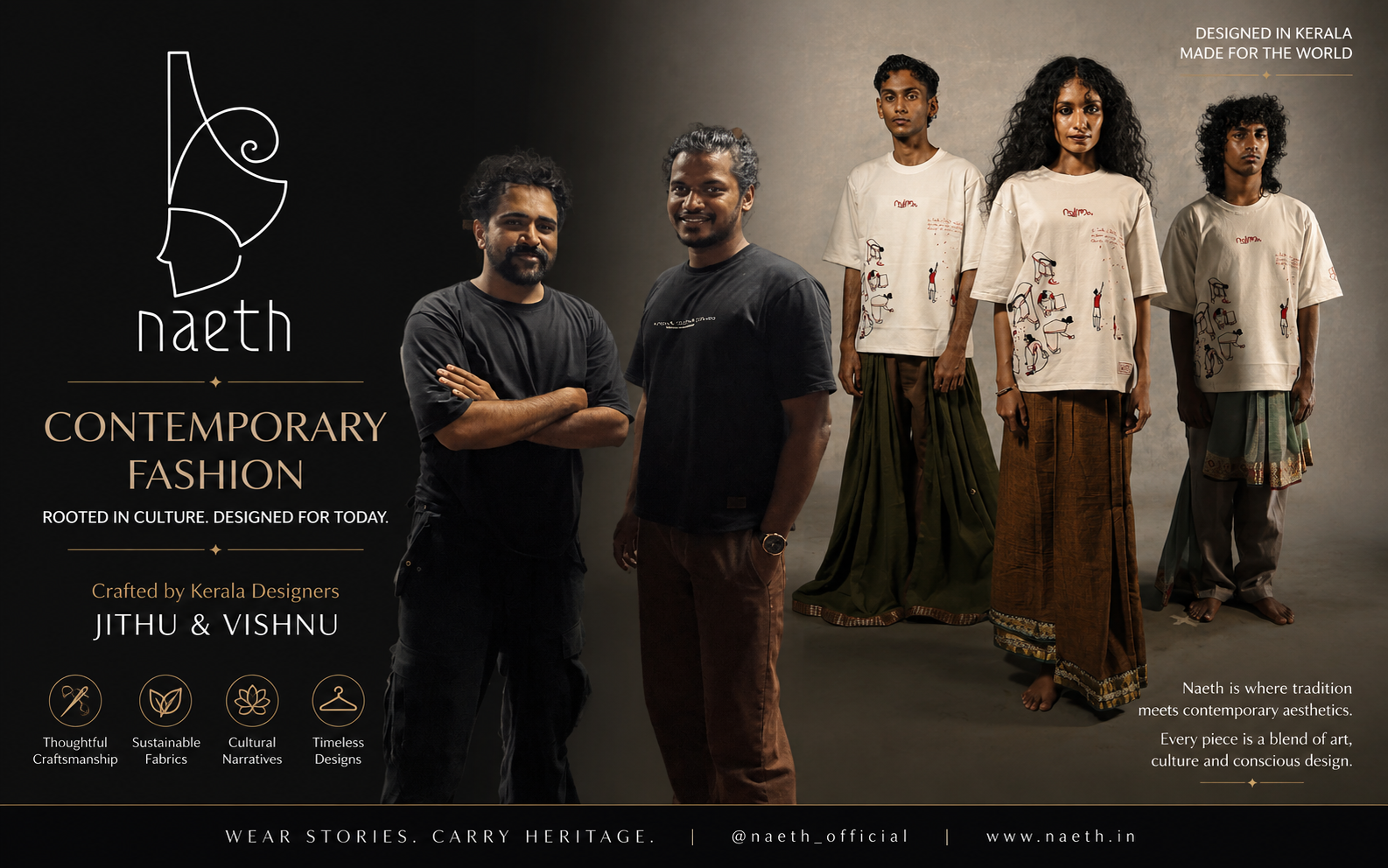
Naeth: Contemporary Fashion by Kerala Designers Jithu & Vishnu

Founded by mechanical engineering graduates and classmates Jithu Gopakumar and Vishnu Girija Gopal, Naeth is a contemporary fashion label from Kerala that bridges heritage with modern design. Inspired by the state’s rich textile traditions, the duo transforms handloom into contemporary silhouettes through innovative fabrics, technical textiles, and thoughtful craftsmanship. Their vision is simple yet powerful: to make India’s weaving traditions relevant for today’s generation while preserving the stories behind every thread. 1.Tell us about your brand and how it is helping preserve and promote India’s rich handloom heritage. At Naeth, we reinterpret traditional handloom through contemporary fashion. Our collections transform heritage textiles into modern, wearable silhouettes that appeal to younger audiences while preserving the craftsmanship, stories, and cultural significance woven into every fabric. 2.Which weaving traditions or artisan communities do you work with? We work closely with the weavers of Balaramapuram, Kerala, a community renowned for its centuries-old weaving tradition. Their handcrafted sarees and mundus are celebrated for their precision, purity, and exceptional craftsmanship, making every textile a reflection of Kerala’s rich cultural legacy. 3.How does your brand support sustainability and responsible craftsmanship? Sustainability is central to our design philosophy. We upcycle traditional handloom textiles into contemporary garments, reducing waste while extending the life of these fabrics. Alongside direct collaborations with artisans and limited-batch production, we also experiment with eco-conscious materials such as bamboo fibres and recycled PET fabrics. 4.What is the biggest challenge facing India’s handloom sector today? One of the biggest challenges is changing the perception that handloom belongs only to traditional wear. We believe handloom deserves a place in contemporary fashion. At the same time, we’re working towards creating greater value for artisan communities by reducing dependence on intermediaries and promoting fair recognition for their craftsmanship. 5.What does National Handloom Day mean to Naeth? For us, National

Kawaii by Lavika Singhvi | Udaipur

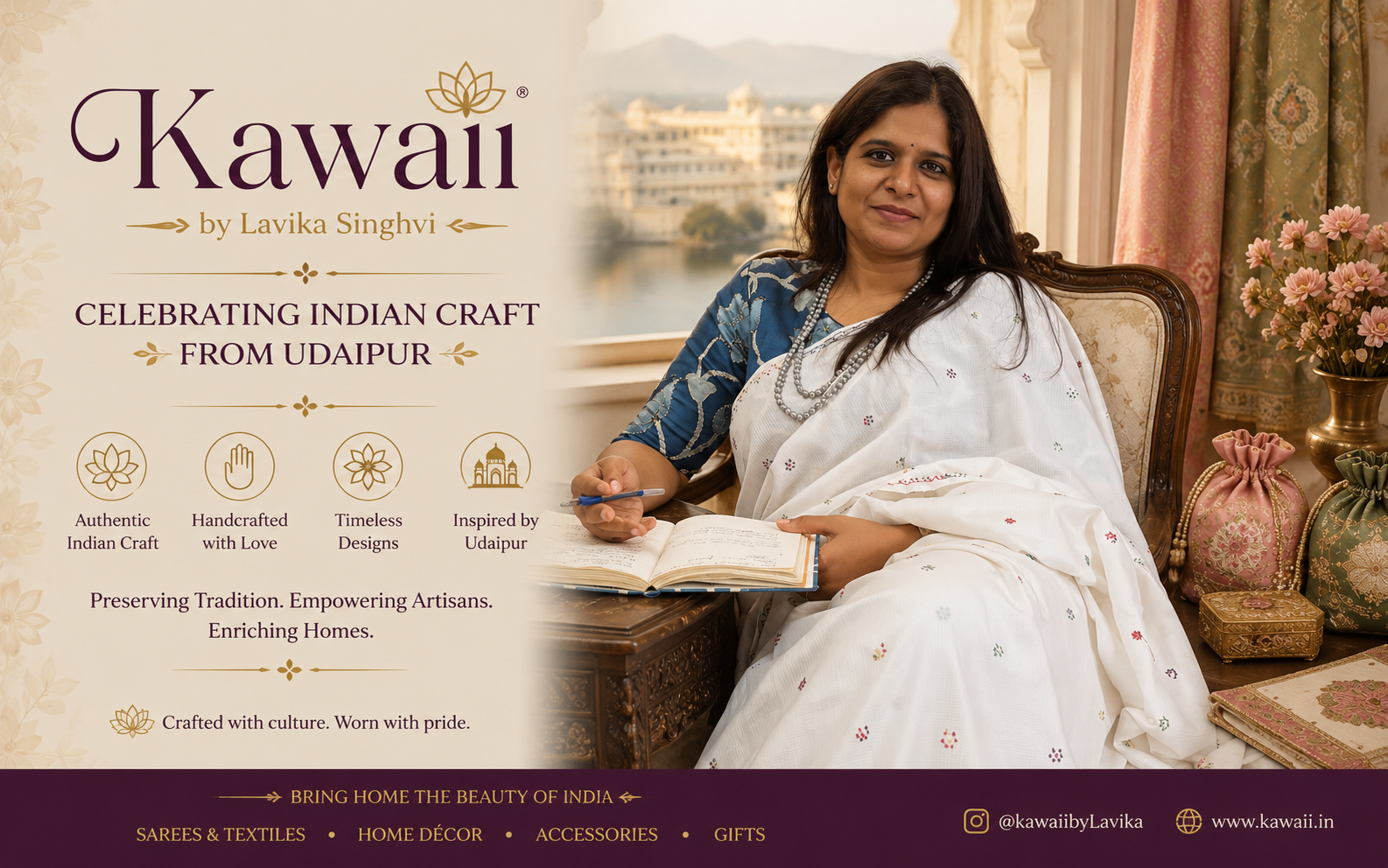
Founded by Lavika Singhvi, a Udaipur-born entrepreneur with a deep connection to India’s artistic heritage, Kawaii is redefining luxury sarees through the lens of wearable art. Inspired by Rajasthan’s rich cultural legacy, Lavika brings together rare handcrafted traditions from across India, including Pichwai, Ajrakh, Madhubani, Batik, and Bandhani. As a Pichwai Certified and ODOP Verified brand, Kawaii works directly with master artisans to preserve authenticity and support traditional craftsmanship. Each saree is envisioned as a timeless heirloom, celebrating heritage, artistry, and the stories woven into every creation. 1.Tell us about your brand and how it is helping preserve and promote India’s rich handloom heritage. Kawaii was born from my desire to transform India’s rich artistic heritage into wearable art for the modern woman. Growing up in Udaipur, a city surrounded by art, culture, and royal traditions, I developed a deep appreciation for the craftsmanship and stories behind Indian textiles. Through Kawaii, we bring together diverse Indian art forms such as Pichwai, Madhubani, Batik, Ajrakh, and Bandhani on luxurious handloom fabrics. Our focus is on preserving authenticity while presenting these traditional crafts in a contemporary format. As a Pichwai Certified and ODOP Verified brand, we work closely with original artisans and artists, ensuring their skills are recognised, valued, and carried forward to future generations. 2.Which weaving traditions or artisan communities do you work with, and what makes their craftsmanship unique? We work with artisan communities across India, including Pichwai artists from Udaipur, Madhubani artists from Bihar, Ajrakh craftsmen from Gujarat and Rajasthan, Bandhani artisans, Batik artists, and traditional handloom weavers. Each craft represents generations of knowledge and storytelling. Pichwai is deeply connected to Rajasthan’s cultural and spiritual heritage, with artists creating intricate hand-painted narratives. Madhubani celebrates symbolic storytelling through detailed motifs, while Ajrakh and Batik showcase complex dyeing techniques perfected over

GAURANG by Gaurang Shah I Hyderabad

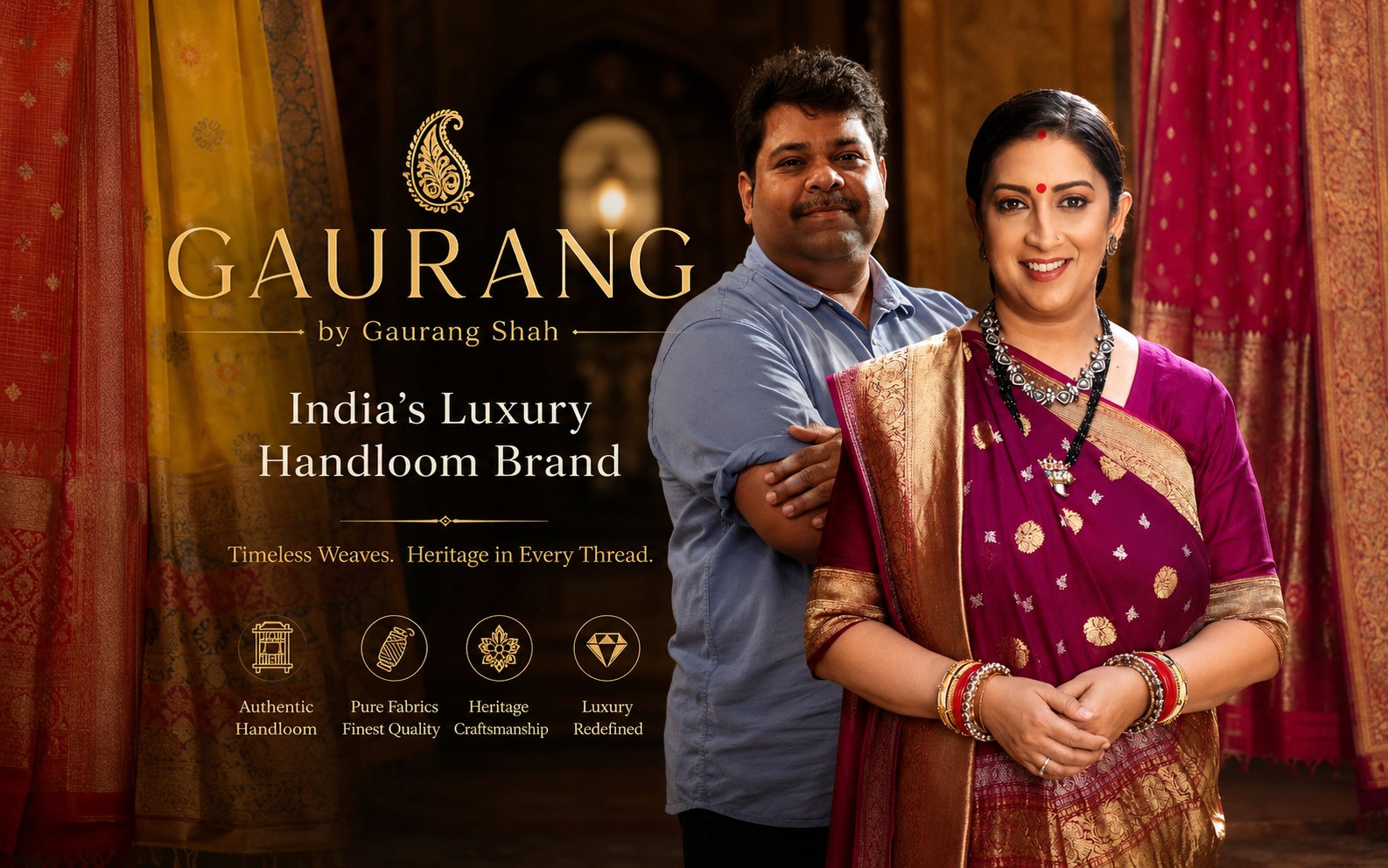
GAURANG is one of India’s foremost luxury handloom brands, renowned for reviving and reimagining the iconic Jamdani weave. For over three decades, Gaurang Shah has worked alongside artisan communities across India, combining traditional craftsmanship with contemporary design to create timeless textiles. Through its dedicated loom clusters, GAURANG has empowered over a thousand artisans while preserving India’s rich weaving heritage through innovation, skill development, and sustainable livelihoods. 1.Tell us about your brand and how it is helping preserve and promote India’s rich handloom heritage. For me, GAURANG has always been about textiles before fashion. My journey began with a fascination for handwoven fabrics and evolved into a lifelong commitment to preserving India’s weaving traditions, particularly the intricate Jamdani weave. Working closely with artisan communities, we have built loom clusters that strengthen weaving ecosystems, encourage innovation, and create opportunities for traditional skills to flourish. Through our collections and showcases across India and internationally, I strive to present Indian handlooms as timeless works of art that remain relevant to contemporary audiences while staying true to their heritage. 2.Which weaving traditions or artisan communities do you work with, and what makes their craftsmanship unique? I work extensively with Jamdani weavers and artisan communities across Telangana, Andhra Pradesh, and several textile clusters throughout India. Through the GAURANG loom clusters, we collaborate with artisans to develop fine cottons, silks, and innovative handwoven textiles while preserving the integrity of traditional weaving techniques. What makes Jamdani extraordinary is its painstaking process: every motif is woven by hand, thread by thread, directly on the loom. The precision, patience, and craftsmanship involved ensure that every sari is unique, carrying the unmistakable signature of the artisan who created it. 3.Sustainability is at the heart of handloom. What ethical or sustainable practices does your brand follow? Handloom is inherently sustainable, relying on

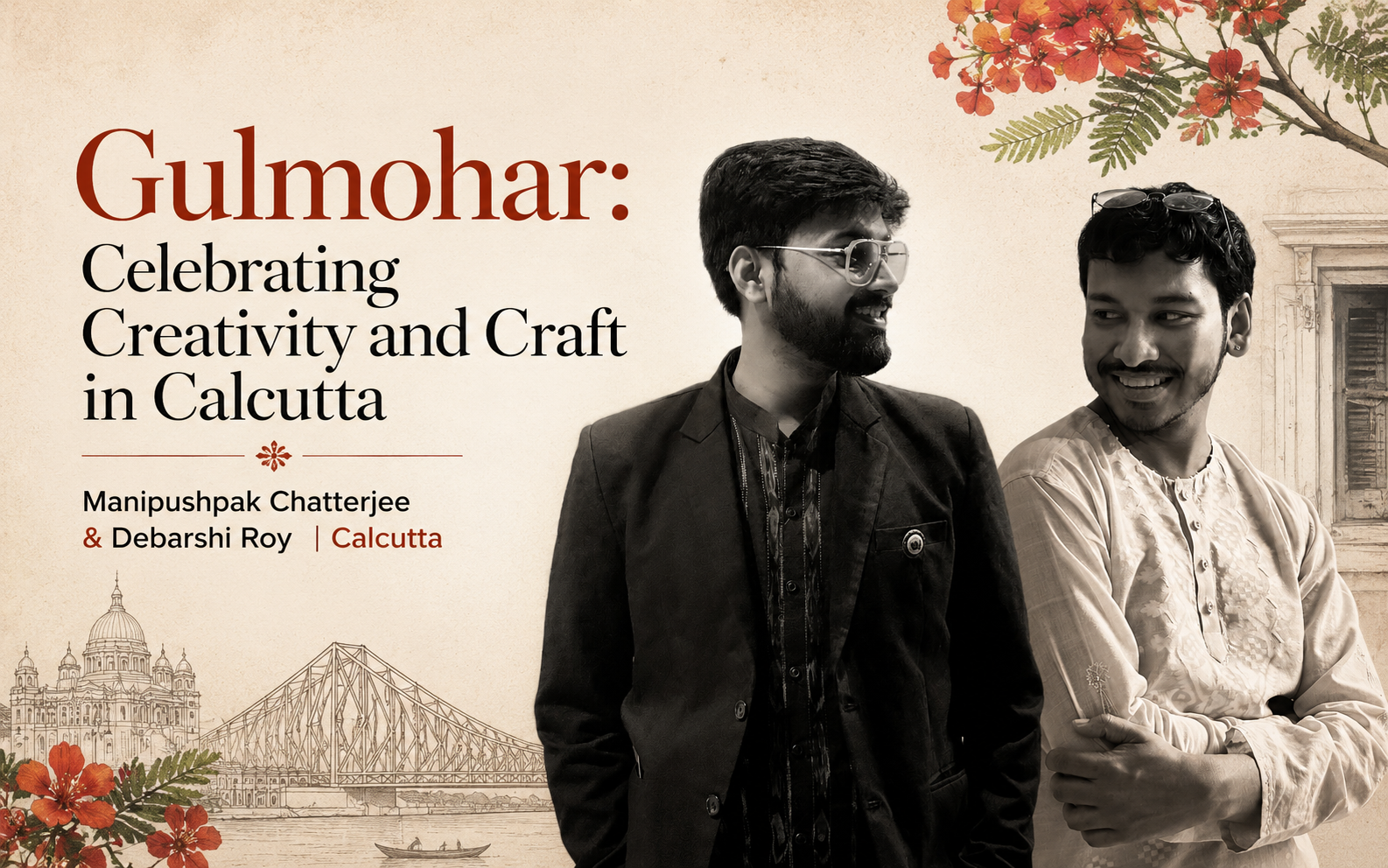
Gulmohar: Celebrating Creativity and Craft in Calcutta

Gulmohar Calcutta is a contemporary textile label rooted in Bengal’s rich handloom heritage. The brand seamlessly blends research, design, and artisan collaboration to create timeless handwoven textiles that honour traditional craftsmanship while embracing modern aesthetics. Working closely with weaving communities across Bengal, Gulmohar Calcutta is committed to preserving indigenous techniques, empowering artisans, and ensuring that handloom continues to thrive as a living cultural practice. 1. Tell us about your brand and how it is helping preserve and promote India’s rich handloom heritage. At Gulmohar Calcutta, we believe India’s handloom traditions are living knowledge systems, not relics of the past. Every textile we create reflects generations of craftsmanship, history, and cultural memory. We work closely with artisan communities to revive traditional weaving vocabularies, document indigenous knowledge, and reinterpret heritage techniques for contemporary audiences. Beyond creating textiles, we invest in artisan education, design development, and knowledge sharing so that these crafts remain culturally relevant and economically sustainable for future generations. 2.Which weaving traditions or artisan communities do you work with, and what makes their craftsmanship unique? We primarily work with artisan clusters across Bengal, specialising in Jamdani weaving and traditional Kantha embroidery. What makes these crafts extraordinary is the entirely handmade process. Jamdani motifs are woven directly onto the loom, thread by thread, while Kantha transforms fabric through delicate running stitches that tell stories through texture and pattern. Every piece is unique, carrying the individual artistry and skill of the artisan who created it. 3.Sustainability is at the heart of handloom. What ethical or sustainable practices does your brand follow? For us, sustainability begins with the handloom itself. We work directly with artisan communities, ensuring transparent partnerships and fair wages while eliminating unnecessary intermediaries. Our collections are produced in small batches following a slow-fashion philosophy that minimises waste and values quality over

You May Also Like

Connect with us