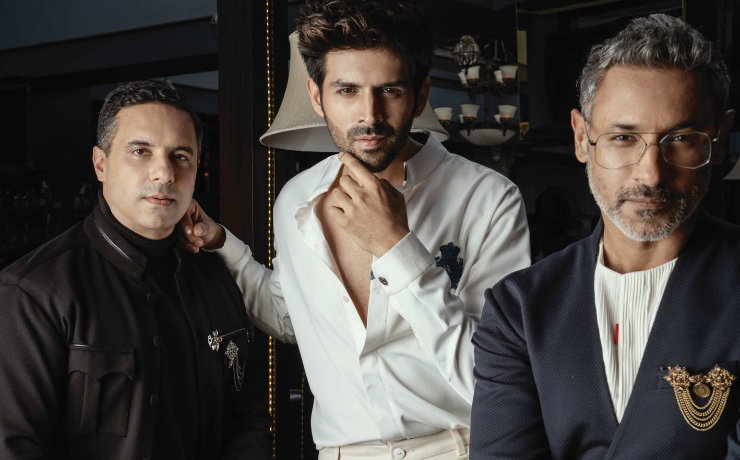
Wedding Trends By Shantanu and Nikhil

Wedding Trends By Shantanu and Nikhil - Hashtag Magazine

Wedding season is around the corner and couples are scouting for that perfect out… What’s in and what’s out this season? What should the bride and groom be looking at? Designers Shantanu and Nikhil in conversation with Sinduri Vuppala give us a glimpse of the latest trends on the horizon and talk about their two-decade journey in the fashion world.

  • You have completed over 20 years in the industry, how would you describe your journey so far?

Over the last few years, we have restlessly toiled around the idea of a new world, a world more progressive and inclusive, a world without any biases and boundaries. In this past decade on our journey, we have paved the way to reach a newer and bigger audience, making us more accessible, and thereby fulfilling our dream to see our brand on every global Indian. With the phenomena of the corporatization of fashion, it has given a free rein to designers to explore more and reach out to their audience in multiple ways.  
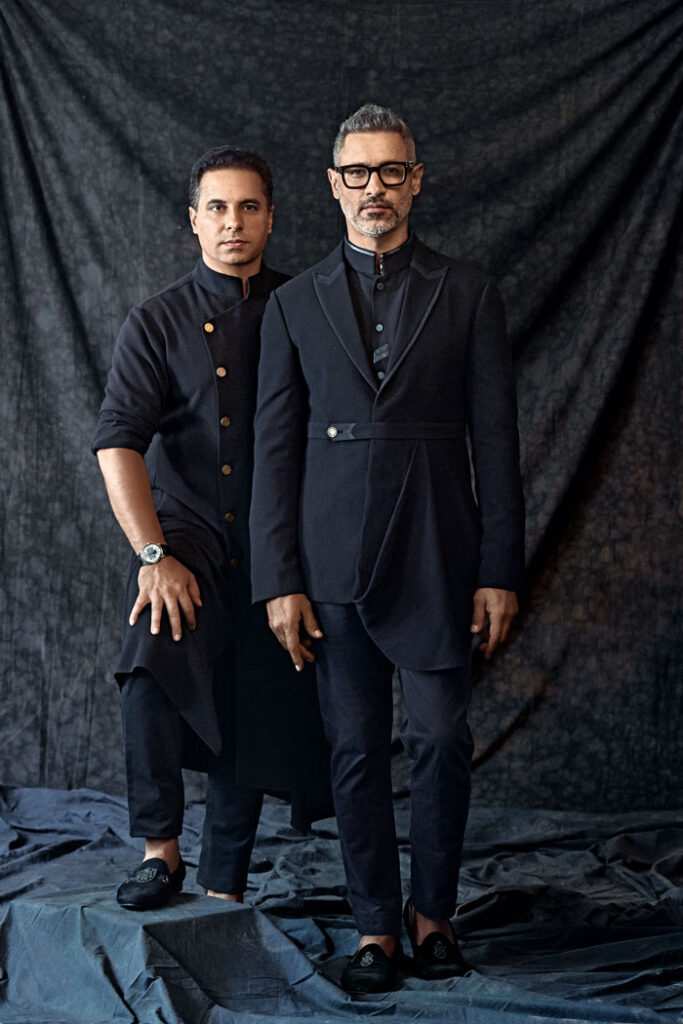
We experienced intense emotions in 2020 when Maison Shantanu Nikhil marked 20 years as a brand. In addition, as the world recoiled to a new definition of normal, we brought in the 20th year with a new chapter in our journey – S&N by Shantanu Nikhil, a celebratory narrative where Indian heritage is enlivened by millennial spunk. By launching the Bridge-to-Luxury brand, we show our commitment to serving our customers better than ever.

  • Your recent collection ‘Nomad’ was all about streetwear fashion, what collection are you currently working on and what’s next? 

2022 was a big year for us where we experimented with our own wide range of aesthetics. In March, we showcased Nomad, which was our anti-trend take on street couture. In October, we showcased Capella, which was a revisit to a Shantanu Nikhil bride and depicted the opulence an S&N bride holds. This season we are working towards an elaborate range, which stems from Capella aesthetics with inspiration from European architecture.
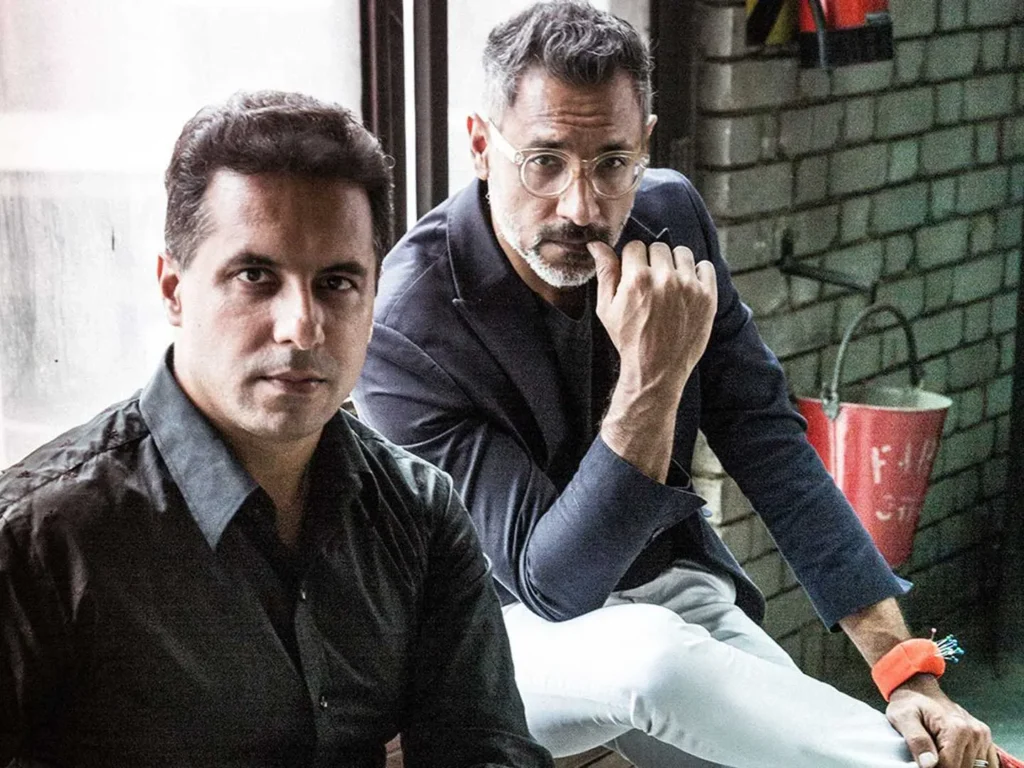
  • How do you manage to keep reinventing yourselves as a brand and as designers?

The deep-rooted emotion of being ‘Anti-trend’ within our brand gives us a sense of elasticity to continuously reinvent. Being trend-centric is market-driven, but our view is that being anti-trend is about pushing the market. We believe that disruption and innovation are the only two pillars that we as a brand stand on- from revolutionizing the millennial ceremonial wardrobe and to now carving out a new repertoire- S&N by Shantanu & Nikhil; we continue to put constant effort to stay ahead of ourselves and showcase brand resiliency. 

  • What are the three bridal trends to watch out for this 2023?

Opulence with Immaculate embroideries and rich fabrics, all decadence and rich hues of teals, blues and emeralds with deep metallic.

  • What are the top trends for the grooms this season? 

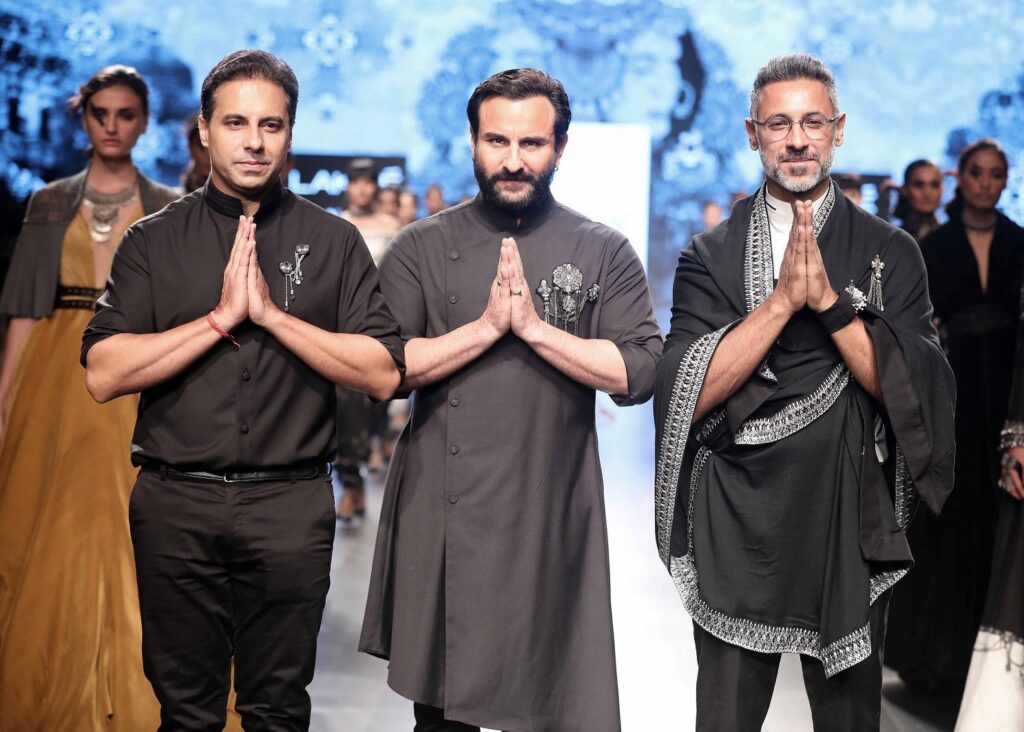
Today’s grooms are daring in their choices as they move away from the obvious darker colours associated with men’s clothing and toward pastel colours that were traditionally associated with women. Layered & transformative ensembles that go from a regal look to a more relaxed one are popular grooms wear. For instance, styling the Sherwani with a dupatta and a Kamar-bandh over an embellished drape kurta for the wedding processions and later switching to just the kurta for an eased-out after-party is something that grooms are looking at right now. Men aren’t far behind in donning jewels underneath their ensemble these days, and we feel like the trend is here to stay. The choice of opulent gems and brooches worn by millennial grooms reflects their willingness to take chances.
  • Important tips to plan an entire wedding trousseau? 

The bridal trousseau is such a sentimental item that, when used again, evokes so many memories. It should be filled with pieces that you can go back to and relive your memories in. Remember the importance of classics and pay close attention to the details. The classics you purchase today will become family heirlooms in the future.

  • What are the common mistakes people make while picking their wedding outfits? 

People need to cater to their own likes and dislikes without letting the trends with Wedding outfit stay forever, and they should be something they can value throughout. 

  • What is a definite no-no and must-have in a bridal wardrobe this season? 

Every bride must have a decadent gown, which can be worn on numerous occasions with slight styling tweaks. Men should delve more into signature Bandhgala and kurta, and the accessories around them.

Rapid fire-

  • The perfect outfit/ style for a pre-wedding ceremony? 

Fitted gowns for women and draped sherwani for men.

  • The popular colours this season? 

European pastels with metallic tonality.

  • Fabrics and materials that are trending? 

Innovations in woollen and silk blends especially for menswear. Huge upsurge in the Indian loom industry considering the technology we have now. 

  • Finally, how to pick the right jewellery to complete the ensemble

Compliment the tonality of the ensemble with jewellery.

  • Which fashion trend do you think is overused or passé?

Less is more. Upcoming seasons will be all about grander couture. India and couture were always a maximalist story, and the upcoming season will be a testimony to that. 

  • If you could, what would you change about the fashion industry?

The way designers showcase at fashion week. We feel there should be a more experimental outlook on the ramp and commercialization should be kept at par. The ramp is where, we as designers can show the world what we do best, and it should be treated that way. 

Leave a comment

Your email address will not be published. Required fields are marked *

Naeth: Contemporary Fashion by Kerala Designers Jithu & Vishnu

Founded by mechanical engineering graduates and classmates Jithu Gopakumar and Vishnu Girija Gopal, Naeth is a contemporary fashion label from Kerala that bridges heritage with modern design. Inspired by the state’s rich textile traditions, the duo transforms handloom into contemporary silhouettes through innovative fabrics, technical textiles, and thoughtful craftsmanship. Their vision is simple yet powerful: to make India’s weaving traditions relevant for today’s generation while preserving the stories behind every thread. 1.Tell us about your brand and how it is helping preserve and promote India’s rich handloom heritage. At Naeth, we reinterpret traditional handloom through contemporary fashion. Our collections transform heritage textiles into modern, wearable silhouettes that appeal to younger audiences while preserving the craftsmanship, stories, and cultural significance woven into every fabric. 2.Which weaving traditions or artisan communities do you work with? We work closely with the weavers of Balaramapuram, Kerala, a community renowned for its centuries-old weaving tradition. Their handcrafted sarees and mundus are celebrated for their precision, purity, and exceptional craftsmanship, making every textile a reflection of Kerala’s rich cultural legacy. 3.How does your brand support sustainability and responsible craftsmanship? Sustainability is central to our design philosophy. We upcycle traditional handloom textiles into contemporary garments, reducing waste while extending the life of these fabrics. Alongside direct collaborations with artisans and limited-batch production, we also experiment with eco-conscious materials such as bamboo fibres and recycled PET fabrics. 4.What is the biggest challenge facing India’s handloom sector today? One of the biggest challenges is changing the perception that handloom belongs only to traditional wear. We believe handloom deserves a place in contemporary fashion. At the same time, we’re working towards creating greater value for artisan communities by reducing dependence on intermediaries and promoting fair recognition for their craftsmanship. 5.What does National Handloom Day mean to Naeth? For us, National

Kawaii by Lavika Singhvi | Udaipur

Founded by Lavika Singhvi, a Udaipur-born entrepreneur with a deep connection to India’s artistic heritage, Kawaii is redefining luxury sarees through the lens of wearable art. Inspired by Rajasthan’s rich cultural legacy, Lavika brings together rare handcrafted traditions from across India, including Pichwai, Ajrakh, Madhubani, Batik, and Bandhani. As a Pichwai Certified and ODOP Verified brand, Kawaii works directly with master artisans to preserve authenticity and support traditional craftsmanship. Each saree is envisioned as a timeless heirloom, celebrating heritage, artistry, and the stories woven into every creation. 1.Tell us about your brand and how it is helping preserve and promote India’s rich handloom heritage. Kawaii was born from my desire to transform India’s rich artistic heritage into wearable art for the modern woman. Growing up in Udaipur, a city surrounded by art, culture, and royal traditions, I developed a deep appreciation for the craftsmanship and stories behind Indian textiles. Through Kawaii, we bring together diverse Indian art forms such as Pichwai, Madhubani, Batik, Ajrakh, and Bandhani on luxurious handloom fabrics. Our focus is on preserving authenticity while presenting these traditional crafts in a contemporary format. As a Pichwai Certified and ODOP Verified brand, we work closely with original artisans and artists, ensuring their skills are recognised, valued, and carried forward to future generations. 2.Which weaving traditions or artisan communities do you work with, and what makes their craftsmanship unique? We work with artisan communities across India, including Pichwai artists from Udaipur, Madhubani artists from Bihar, Ajrakh craftsmen from Gujarat and Rajasthan, Bandhani artisans, Batik artists, and traditional handloom weavers. Each craft represents generations of knowledge and storytelling. Pichwai is deeply connected to Rajasthan’s cultural and spiritual heritage, with artists creating intricate hand-painted narratives. Madhubani celebrates symbolic storytelling through detailed motifs, while Ajrakh and Batik showcase complex dyeing techniques perfected over

GAURANG by Gaurang Shah I Hyderabad

GAURANG is one of India’s foremost luxury handloom brands, renowned for reviving and reimagining the iconic Jamdani weave. For over three decades, Gaurang Shah has worked alongside artisan communities across India, combining traditional craftsmanship with contemporary design to create timeless textiles. Through its dedicated loom clusters, GAURANG has empowered over a thousand artisans while preserving India’s rich weaving heritage through innovation, skill development, and sustainable livelihoods. 1.Tell us about your brand and how it is helping preserve and promote India’s rich handloom heritage. For me, GAURANG has always been about textiles before fashion. My journey began with a fascination for handwoven fabrics and evolved into a lifelong commitment to preserving India’s weaving traditions, particularly the intricate Jamdani weave. Working closely with artisan communities, we have built loom clusters that strengthen weaving ecosystems, encourage innovation, and create opportunities for traditional skills to flourish. Through our collections and showcases across India and internationally, I strive to present Indian handlooms as timeless works of art that remain relevant to contemporary audiences while staying true to their heritage. 2.Which weaving traditions or artisan communities do you work with, and what makes their craftsmanship unique? I work extensively with Jamdani weavers and artisan communities across Telangana, Andhra Pradesh, and several textile clusters throughout India. Through the GAURANG loom clusters, we collaborate with artisans to develop fine cottons, silks, and innovative handwoven textiles while preserving the integrity of traditional weaving techniques. What makes Jamdani extraordinary is its painstaking process: every motif is woven by hand, thread by thread, directly on the loom. The precision, patience, and craftsmanship involved ensure that every sari is unique, carrying the unmistakable signature of the artisan who created it. 3.Sustainability is at the heart of handloom. What ethical or sustainable practices does your brand follow? Handloom is inherently sustainable, relying on

Akshay Kumar: “The Craft Has Changed, But Hard Work Never Goes Out of Style”

With a career spanning over three decades, Akshay Kumar continues to reinvent himself across genres, from action and comedy to social dramas and entertainers. As he looks ahead to his upcoming projects, including the action-thriller Haiwaan and a lineup of comedy entertainers, the actor reflects on his journey, his approach to cinema, discipline, and why staying connected to the craft remains his biggest priority. In conversation with Lipika Varma, Akshay opens up about his evolving approach to cinema, the importance of teamwork, and the values that guide him both on and off screen. You have played action heroes, comedians, romantic leads, and intense characters. What kind of roles excite you the most today? I enjoy all kinds of roles. When I entered the industry, people mostly saw me as an action hero. After that, I consciously chose to explore different genres and keep discovering myself as an actor. I have done comedy, romance, social dramas, and action films. Every genre brings a different challenge, and that is what keeps the journey interesting. Comedy has been one of your strongest genres. What makes it so special for you? Comedy is definitely one of the hardest genres. Making someone emotional can sometimes be supported by the situation or background music, but making someone genuinely laugh requires precision, timing, and a lot of hard work. Comedy often looks effortless on screen, but there is a lot of discipline behind creating that moment. That challenge is what makes it exciting for me. You have been part of several ensemble films. What is your view on multi-starrers? Everyone has their own approach. Some actors prefer solo films, while others enjoy working in ensemble projects. There is no fixed formula for success. A film works because of its content, storytelling, and execution, not simply because of

You May Also Like

Connect with us